1870s
1876
The Faculty of Medicine is born
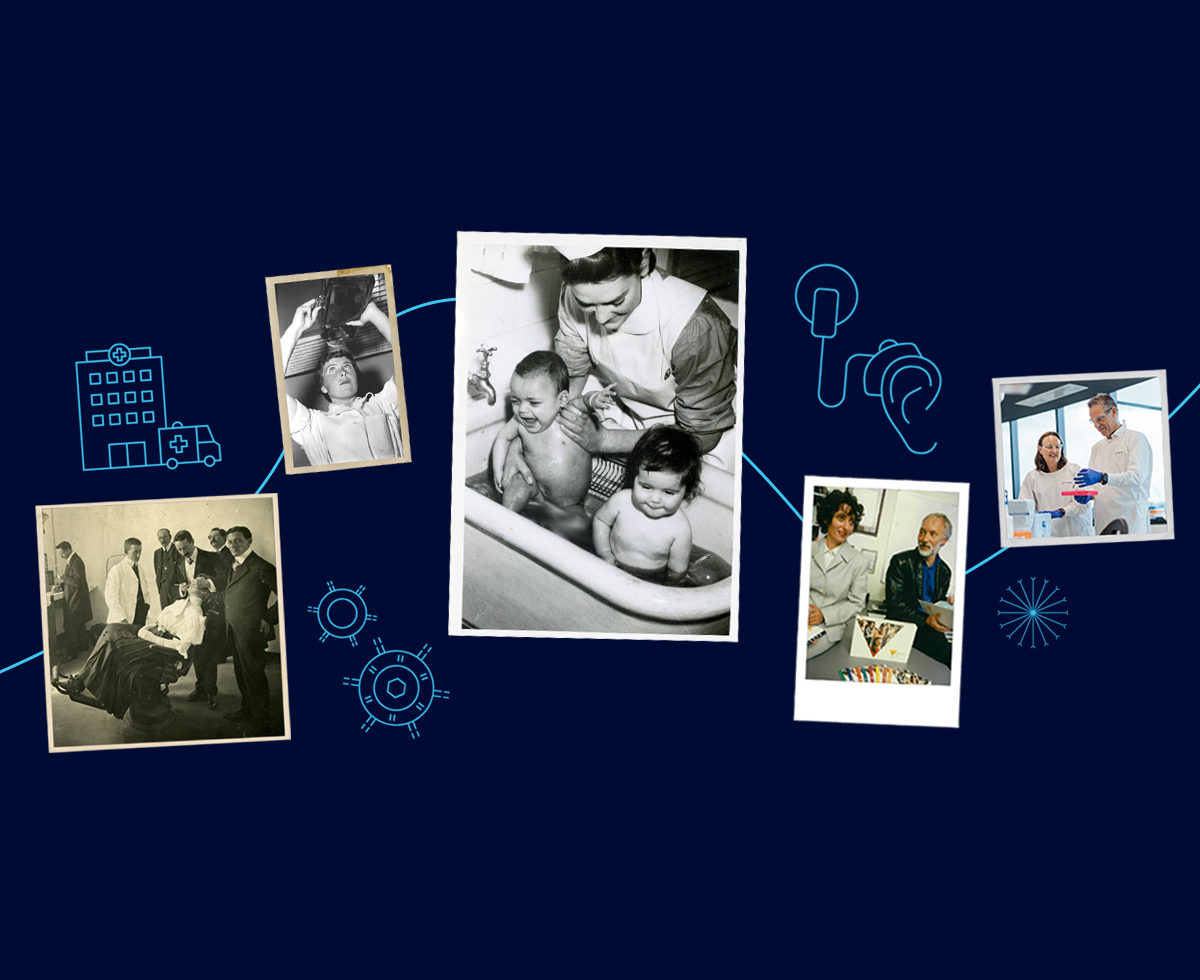
Fourteen years after the University of Melbourne welcomed its first three medical students in 1862, the Faculty of Medicine was established. Our Faculty has grown to encompass six schools – Melbourne Medical School, Melbourne Dental School, Melbourne School of Health Sciences, Melbourne School of Population and Global Health, Melbourne School of Psychological Sciences and the School of Biomedical Sciences.
1880s
1884
Doctors at the Royal Melbourne Hospital become our first clinical lecturers
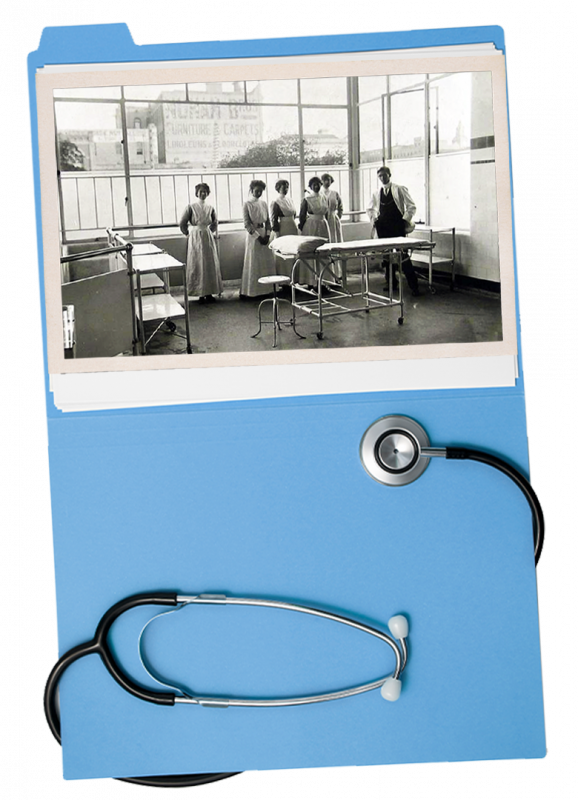
When students first entered the crowded wards of the old Melbourne Hospital, they were viewed by many as an inconvenience. At the time, most doctors saw themselves as providers of care – not as educators. This began to change with the appointment of clinical lecturers, paving the way for today’s world-leading Royal Melbourne Clinical School.
Read more about our clinical schools.
1890s
1891
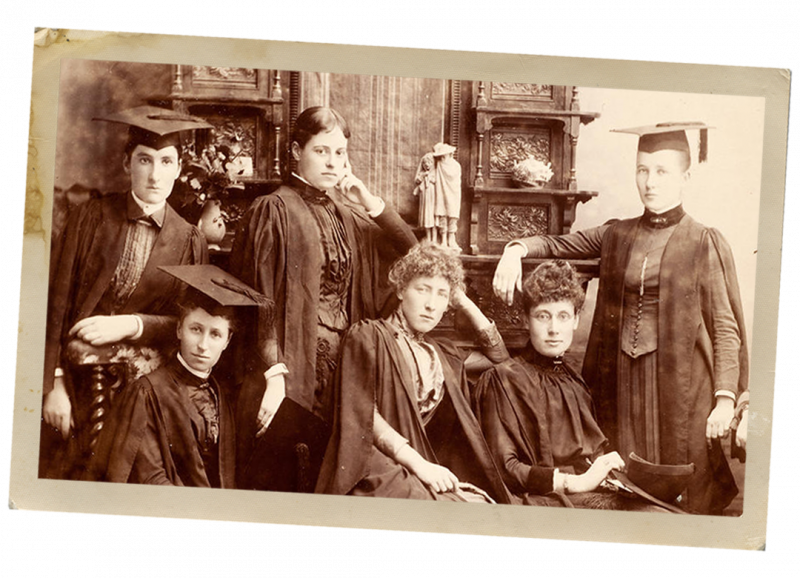
Our first women of medicine
Despite facing huge barriers to education and a culture that barely tolerated them, the first female medical students at the University paved the way for gender equality in medicine. Facing rejection and ridicule upon entering the medical profession, these trailblazing women pushed back by building their own institutions and support networks, including the Victorian Medical Women’s Society and the Queen Victoria Hospital.
Today, women make up more than half of the faculty’s leadership team and more than 60 per cent of the student cohort.
Discover how our first female graduates broke down barriers.
1900s
1904
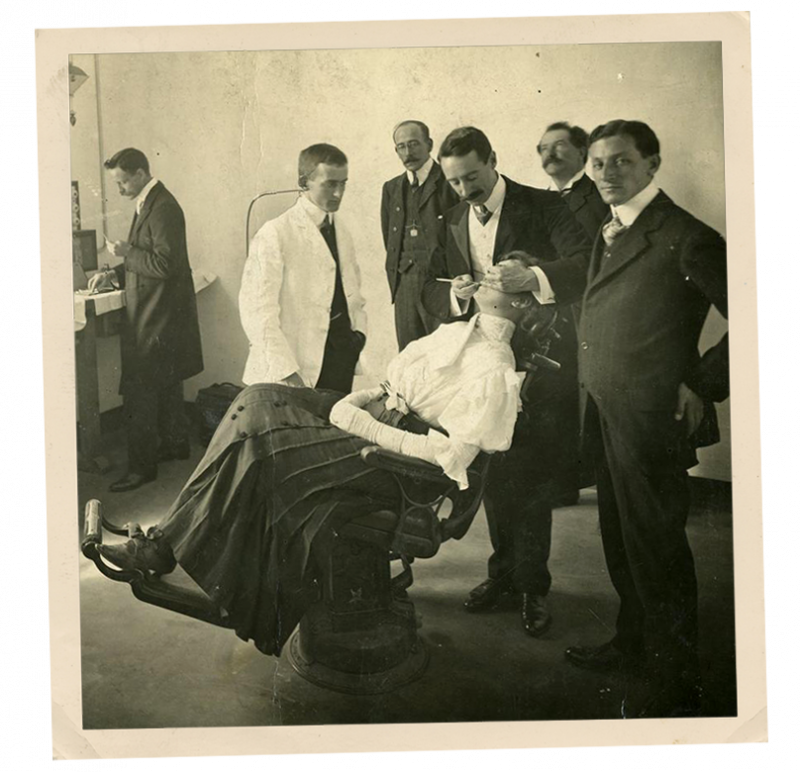
The Faculty of Dental Science marks a new age for oral health
Until the late 1800s, anybody could practice dentistry in Victoria regardless of their training, skills or experience. The Australian College of Dentistry (established in 1897) became affiliated with the University in 1904, creating the new Faculty of Dental Science and formalising dental training in Australia.
The Faculty of Dental Science merged with the Faculty of Medicine in 1989.
Find out how our community has tackled tooth decay, and what’s next for oral health.
1910s
1910
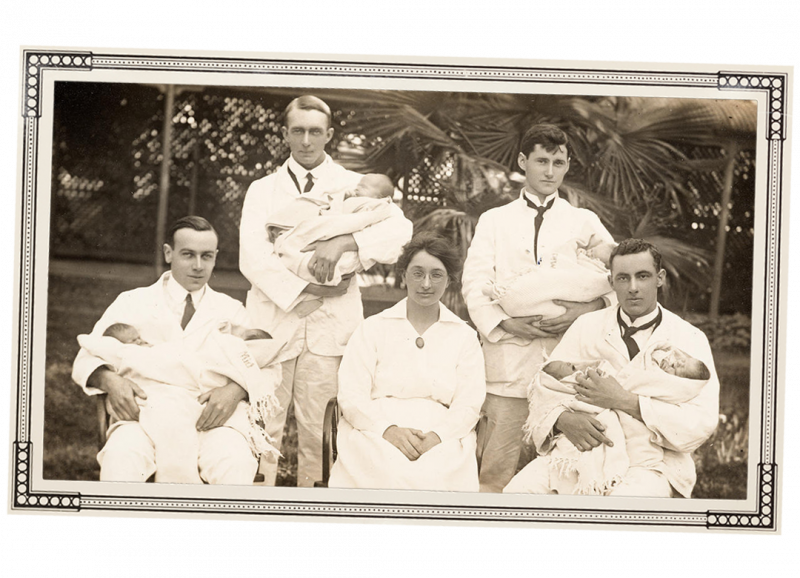
Our first clinical school opens its doors
From the beginning, Melbourne’s hospitals have been central to our clinical teaching, but for decades these arrangements were ad hoc and inconsistent. St Vincent’s Hospital shifted the model in 1910 when it became the first to sign a formal teaching agreement with the University. The Royal Children’s Hospital, the Royal Melbourne Hospital and the Alfred Hospital soon followed.
Today, clinical schools embedded in leading hospitals across Melbourne and Victoria sit at the heart of our teaching.
Find out more about our clinical schools.
1912
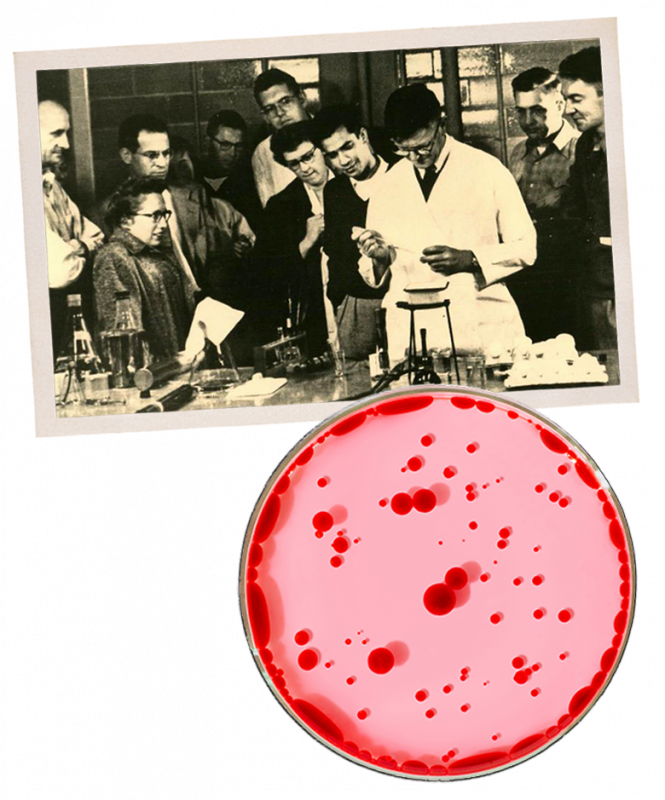
WEHI sparks a new era of discovery
Founded in 1912 through a charitable trust, the Walter and Eliza Hall Institute (WEHI) is Australia’s oldest medical research institute. WEHI researchers have made landmark discoveries in immunity, cancer and infectious diseases, including advancing our understanding of how the immune system functions and uncovering mechanisms of cell death that led to breakthrough cancer therapies.
WEHI’s partnership with the University kickstarted a brand new chapter for the faculty, collaborating not just with hospitals but with world-leading research institutes.
1920s
1920
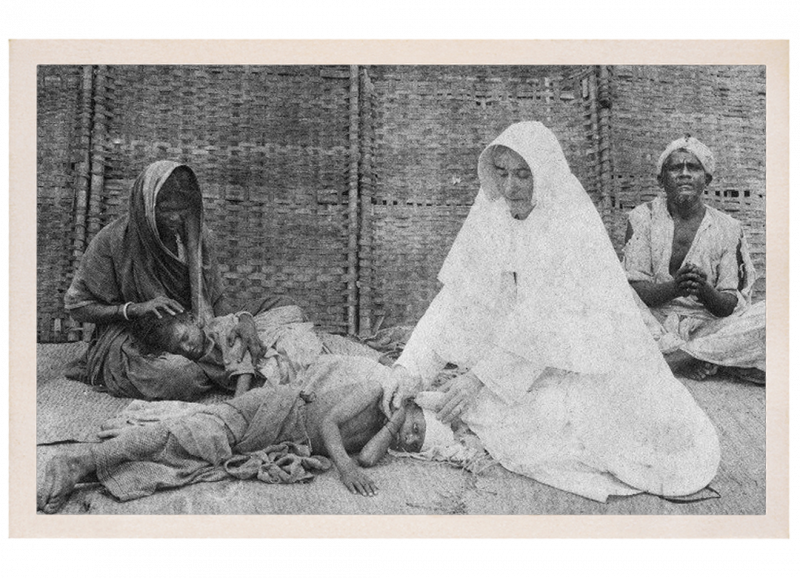
Sister Dr Mary Glowrey answers the call to advance health in India
Dr Mary Glowrey, a 1919 Doctor of Medicine graduate, followed her religious calling to India where she dedicated her life to treating hundreds of thousands of marginalised women and children, educating Indian healthcare workers and founding the Catholic Health Association of India (CHAI), now one of the world’s largest health networks. Her legacy continues through the Sister Dr Mary Glowrey Scholars Program, a partnership between the University and CHAI that supports emerging Indian healthcare leaders.
In 2025, she was recognised as Venerable by Pope Leo XIV, becoming only the second Australian-born person to reach this stage of canonisation.
1930s
1930
CSL and WEHI tackle the tiger snake
In the early 20th century, researchers at WEHI, working within the University’s medical research ecosystem, undertook some of the first systematic studies of deadly Australian snake venoms. This work set the scientific groundwork for the first effective tiger snake antivenom, developed with the Commonwealth Serum Laboratories (CSL), sharply reducing deaths from snakebite.

1931
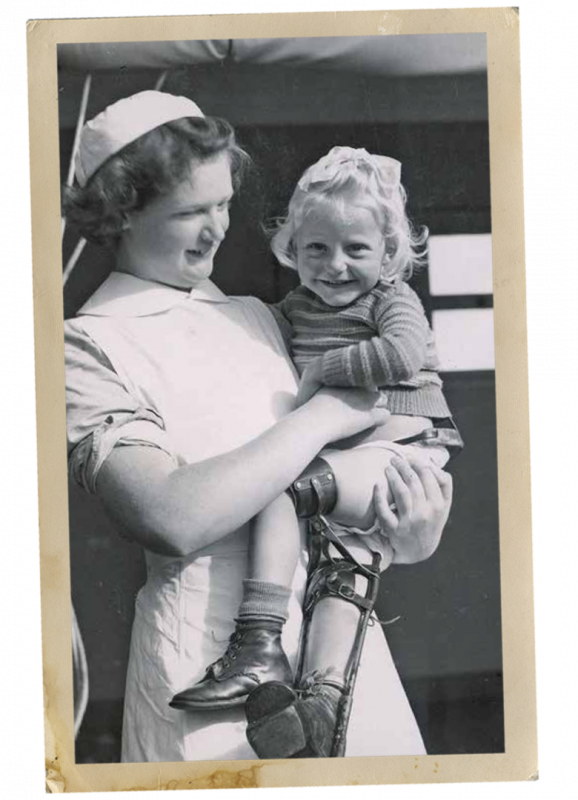
Children’s Hospital research uncovers multiple strains of the polio virus
University of Melbourne-affiliated researchers at the Walter and Eliza Hall Institute, led by Sir Frank Macfarlane Burnet OM AK KBE FRS FAA FRSNZ, collaborated with alum Dame Jean Macnamara DBE MD at the Children’s Hospital (now the Royal Children’s Hospital) to confirm the existence of more than one strain of polio virus – an early and vital step towards developing a vaccine.
Explore how our partnerships have helped fight polio over the past century.
1940s
1940
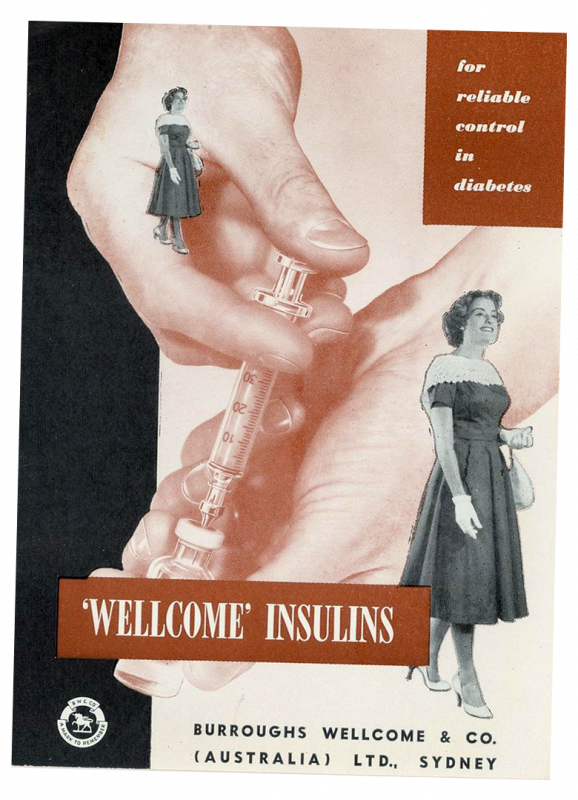
Baker Institute scientists crack the code on diabetes
Working at the research organisation now known as the Baker Heart and Diabetes Institute, faculty Professors Sir George ‘Barney’ Kellaway and Dr Harold Oakley found early evidence that diabetes is not just one disease but is caused by two biologically distinct conditions. Their work helped dramatically shift clinical thinking and set the stage for diagnostic and treatment reforms.
1948
Sir John Cade discovers lithium for manic depression
Alum psychiatrist Sir John Cade was experimenting on guinea pigs to investigate the role of uric acid in mental illness when he stumbled on something remarkable: lithium urate was making his test animals unusually calm. Curious, he trialled prescribing lithium to patients with severe bipolar disorder at the Bundoora Repatriation Hospital, and saw dramatic, steadying effects.
Cade’s discovery turned centuries of Western thinking on its head and ushered in the modern era of psychopharmacology.
See how our partners are building on Sir John Cade’s legacy.
1949
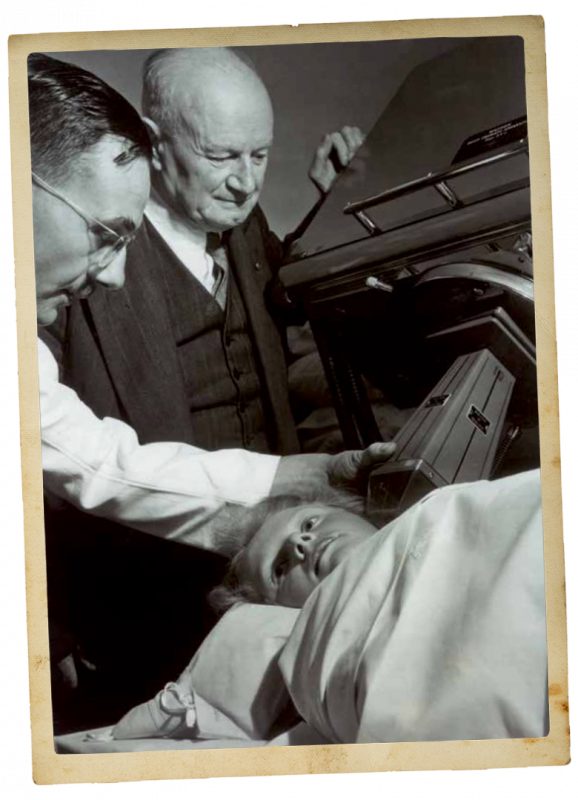
Sir Peter MacCallum revolutionises cancer care
Sir Peter MacCallum served as a medic on the Western Front during World War I. His experience battling infections in injured soldiers sparked an enduring interest in pathology and medical research. As the faculty’s Dean from 1939-1943 and 1947-1950, he championed cancer research and treatment.
In 1949, Sir Peter’s tireless advocacy resulted in establishing what became the Peter MacCallum Cancer Centre – or Peter Mac – a world-leading institution pioneering innovative cancer therapies.
1950s
1951
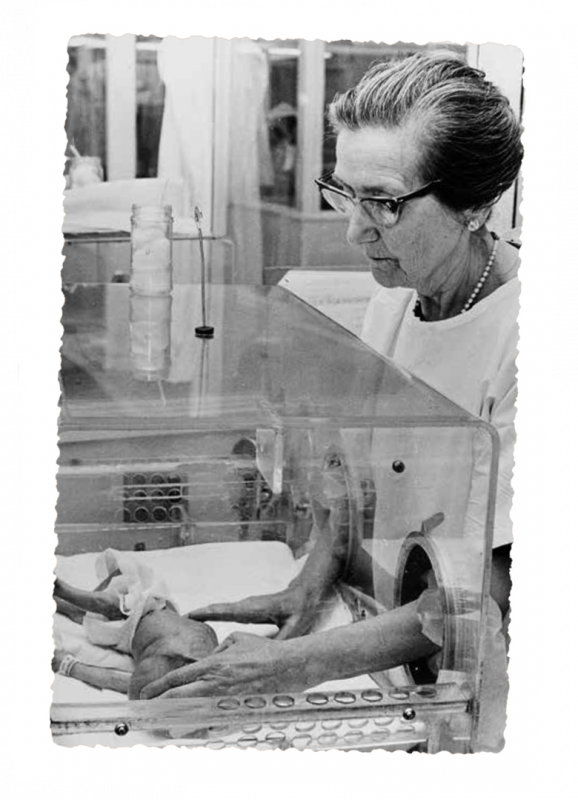
Dame Kate Campbell transforms care of premature babies
Paediatrician and alum, Dame Kate Campbell observed that babies at the Royal Women’s Hospital who went blind were overwhelmingly those who had spent long periods in oxygen-rich incubators. This led to her discovery that excess oxygen causes retrolental fibroplasia, forever changing the treatment of premature babies worldwide.
1960s
1960
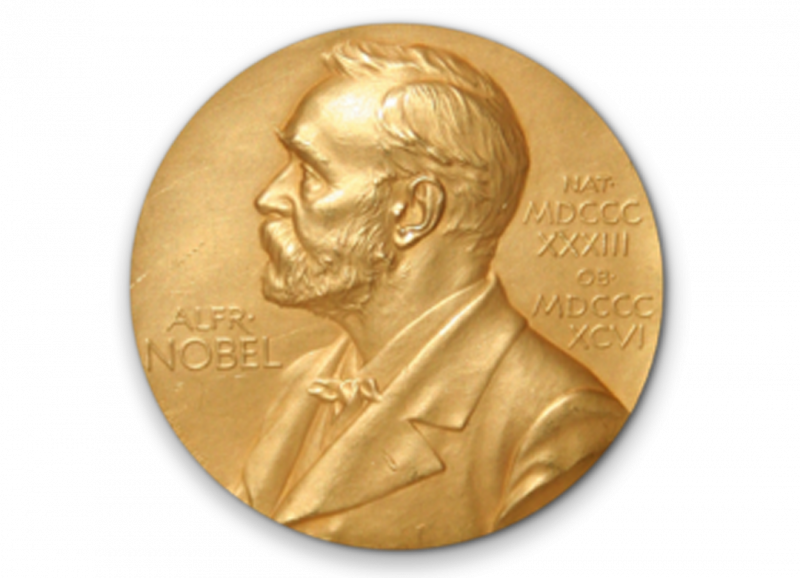
Sir Frank Macfarlane Burnet receives the Nobel Prize in Physiology or Medicine
Alum and long-serving academic Sir Frank Macfarlane Burnet’s research showed that the immune system can tolerate foreign tissue if it encounters it early in development. This finding overturned the idea that immunity was fixed and unchangeable, becoming the conceptual basis for organ transplantation and modern immunology.
While Sir Frank Macfarlane Burnet made foundational contributions to immunology, he also promoted racist ideas about Indigenous Australians. These views are critically examined in Dhoombak Goobgoowana, and do not reflect the University of Melbourne’s values today.
1961
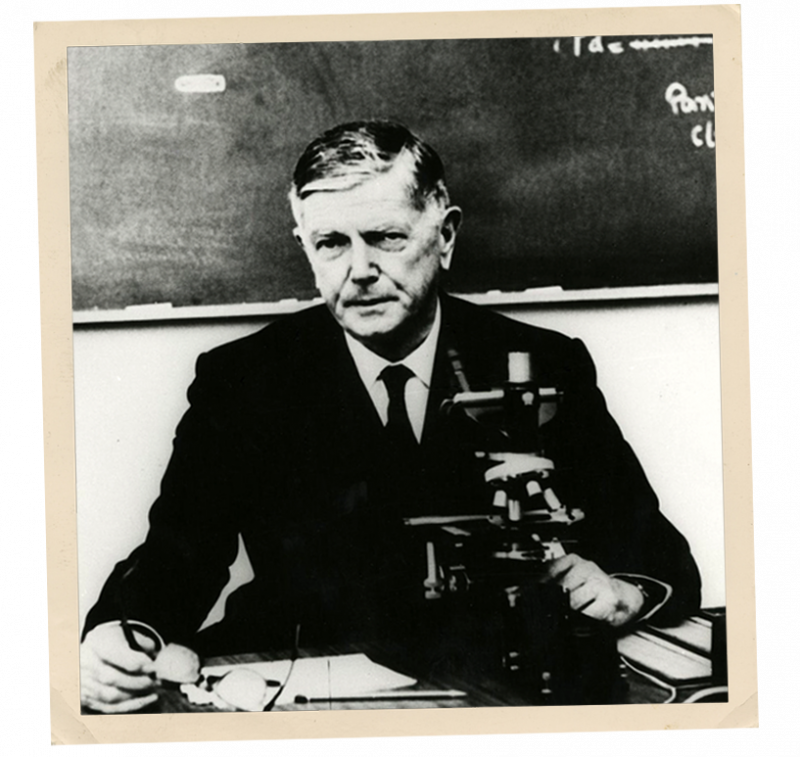
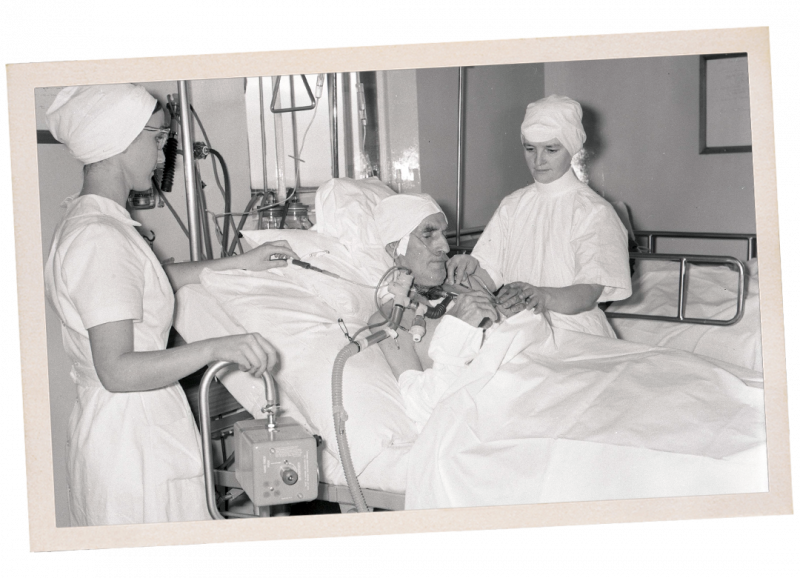
Australia’s first ICU opens at St Vincent’s
University of Melbourne graduates and academic staff Dr Brian O’Donnell and Dr Michael O’Dwyer led the push to concentrate critically ill patients in one dedicated area at St Vincent’s Hospital, introducing a new, concentrated model of treatment that hospitals around the country would soon adopt.
The introduction of ICUs led to dramatic reductions in deaths from respiratory failure, sepsis, trauma and post-surgical complications. From the outset, St Vincent’s ICU has served as a valuable teaching environment for our medical students.
1963
Sir John Eccles receives the Nobel Prize in Physiology or Medicine
Alum Sir John Eccles showed that neurons mainly communicate using chemical signals rather than electrical ones. He also explained how these signals can either activate or suppress nerve activity, allowing the nervous system to work properly. His work laid the foundations for modern neuroscience.
1970s
1973
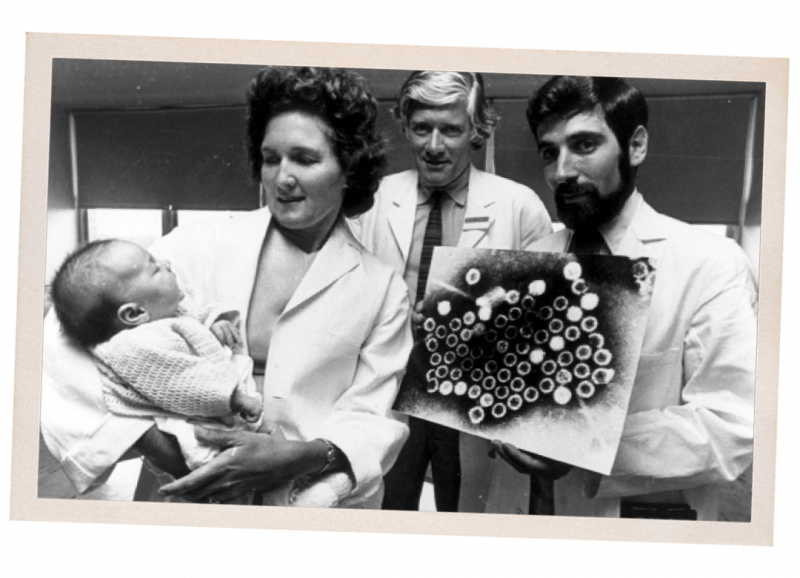
Children’s Campus researchers discover rotavirus
Professor Ruth Bishop AO’s 1973 discovery of the gastroenteritis-causing rotavirus at the Melbourne Children’s Campus led to revolutionary vaccine development, saving thousands of lives globally.
Recent collaborations between the MCRI, the University’s Department of Paediatrics, and Universitas Gadjah Mada in Indonesia have resulted in a next-generation oral vaccine for newborns. This new RV3-BB vaccine, approaching its first national rollout in Indonesia, continues Melbourne’s central role in combating rotavirus worldwide.
1976
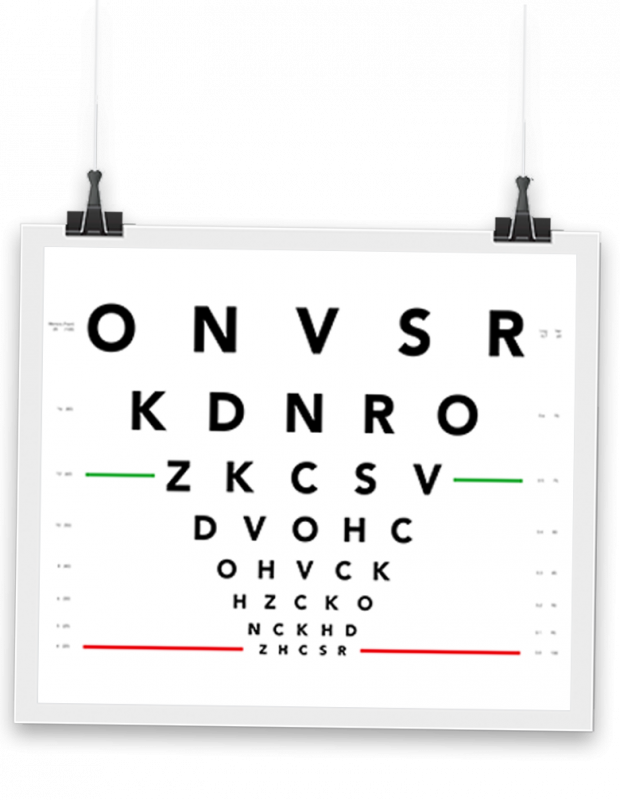
The LogMAR chart brings clarity to optometry
It’s hard to believe that until the 1970s, there was no universal chart for measuring vision.
At the University-affiliated Victorian College of Optometry and its National Vision Research Institute, optometrists and academics Dr Ian Bailey and Dr Jan Lovie designed a single chart that followed scientific principles of spacing, letter size and scoring. Their LogMAR chart transformed clinical practice by becoming the global standard for accurate, reproducible visual acuity testing.
1978
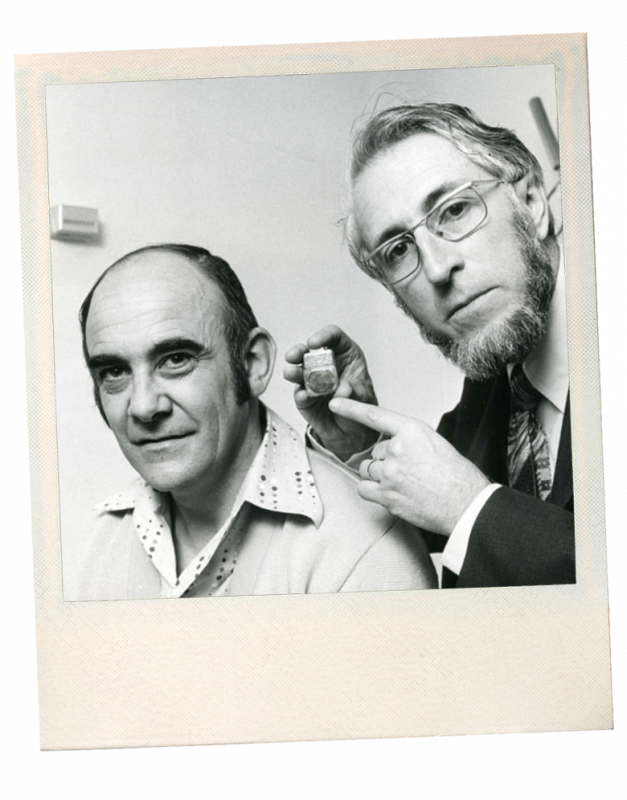
The cochlear implant turns silence into sound
After witnessing his father’s battle with hearing loss, Professor of Otolaryngology Graeme Clark AC sought to give the gift of hearing back to people living in silence. The Royal Victorian Eye and Ear Hospital became the testing ground for the first Cochlear Implants. In 1978 the first successful multi-channel device was implanted in patient Rod Saunders.
The successful procedure ignited a worldwide shift in hearing health, laying the foundations for one of Australia’s most iconic medical innovations and igniting a long-term partnership between the University and the Eye and Ear Hospital.
1979
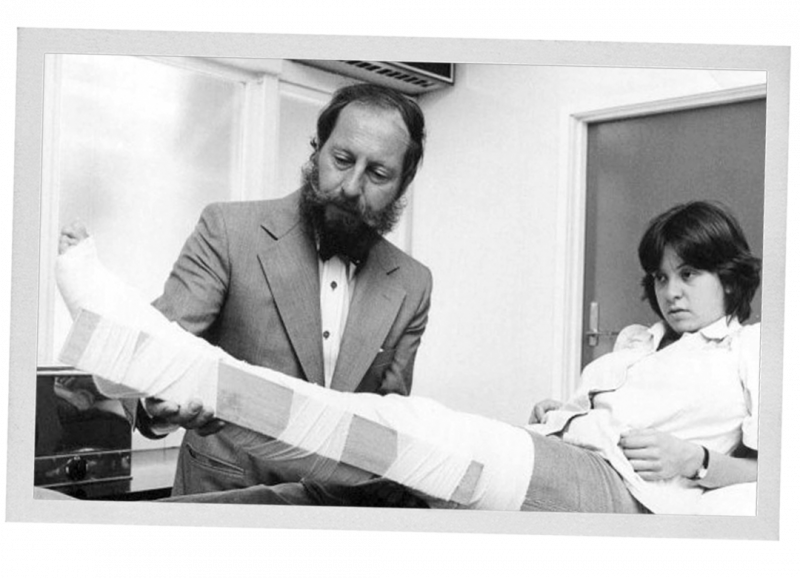
CSL’s bandage changes snakebite care
Alum Dr Struan Sutherland AO, working at CSL, discovered that firm pressure and limb immobilisation stopped venom from moving through the lymphatic system. When the National Health and Medical Research Council endorsed it as the national standard in 1979, the University of Melbourne helped cement the method in emergency care and first aid training.
This quickly became one of Australia’s most influential contributions to global envenomation management.
1980s
1980s
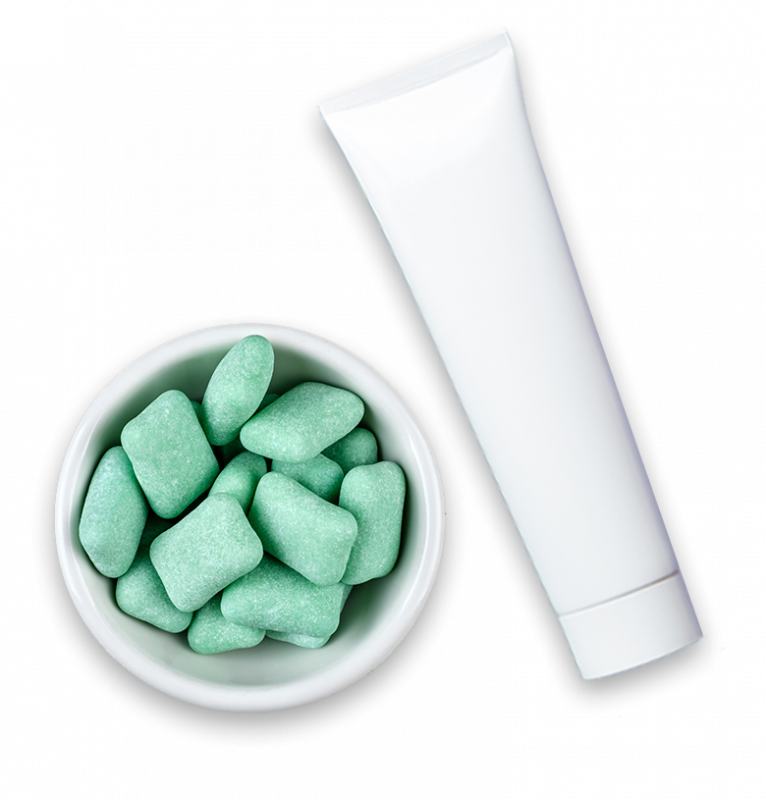
The invention of Tooth Mousse
In the 1980s, Professor Eric Reynolds AO revolutionised dental care by discovering a milk-derived compound that could prevent and repair early tooth decay. This breakthrough led to the development of Recaldent™ – otherwise known as GC Tooth Mousse™ – a tooth-saving technology now used in dental products worldwide.
The collaborative effort behind Recaldent continues today, with ongoing research and innovation in oral health involving the University, the Oral Health Cooperative Research Centre, and Oral Health Victoria.
1984
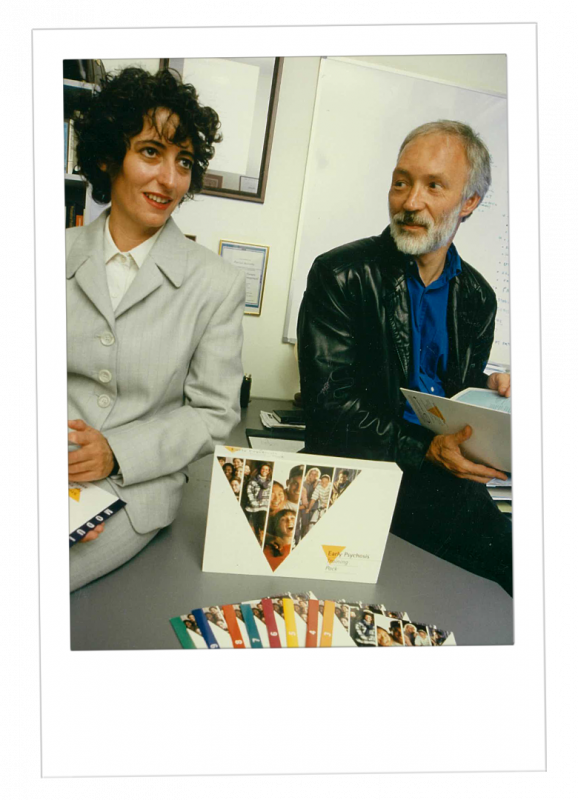
The origins of Orygen
Orygen’s journey began in 1984 as a clinical research unit at Royal Park Hospital, focusing on early-stage psychosis.
Over the years, Orygen - the original mental health organisation devoted entirely to young people - has revolutionised how psychosis, depression and anxiety are understood as treatable early-stage conditions. It has grown into a global leader in research and knowledge translation, reshaping approaches to early intervention and prevention in youth mental health.
1989
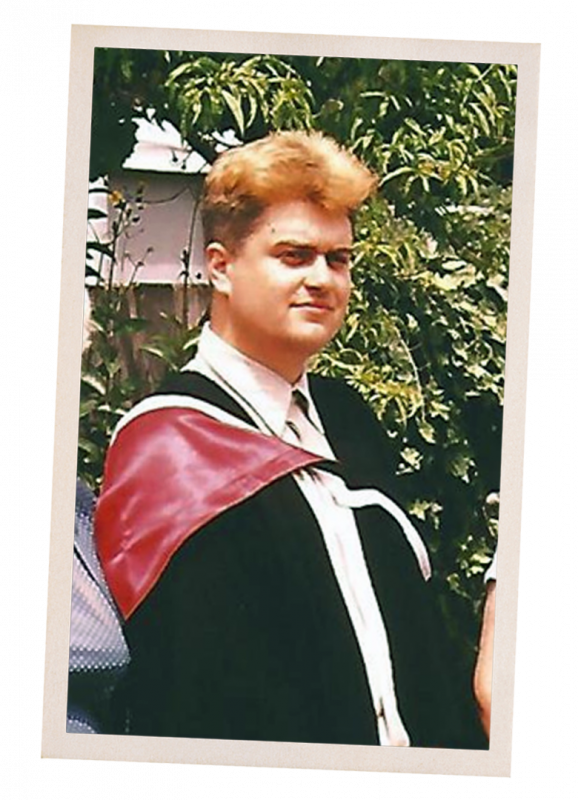
Our first Indigenous medical graduate
A Palawa man from Tasmania, Professor Ian Anderson AO completed his MBBS (Bachelor of Medicine and Bachelor of Surgery) at the University of Melbourne at a time when Indigenous students rarely saw themselves reflected in medicine. He worked as part of the Victorian Aboriginal Health Service, then gained policymaking experience in the Commonwealth government before returning to the University as the inaugural Chair in Indigenous Health and later Pro Vice-Chancellor (Engagement).
In 1999, Professor Anderson founded Onemda, the University’s Indigenous Health Unit, to advance Indigenous health leadership, research and education within the University and beyond.
1990s
1998
A breakthrough in leukaemia treatment
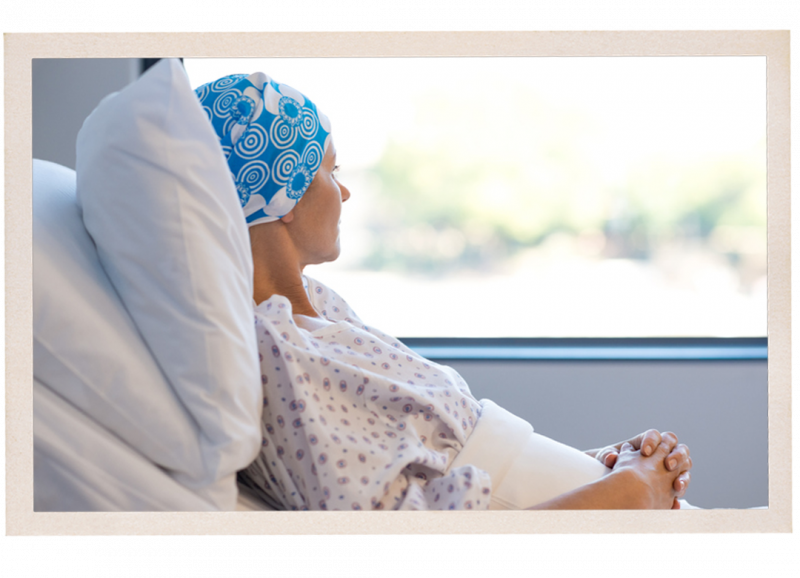
Faculty-affiliated researchers across WEHI, the Royal Melbourne Hospital and Peter MacCallum Cancer Centre identified how the BCL-2 protein keeps leukaemia cells alive, revealing a precise vulnerability in the cancer. This insight launched the development of the medication Venetoclax, now a major targeted cancer drug used worldwide.
1999
The Department of Rural Health kickstarts a new era
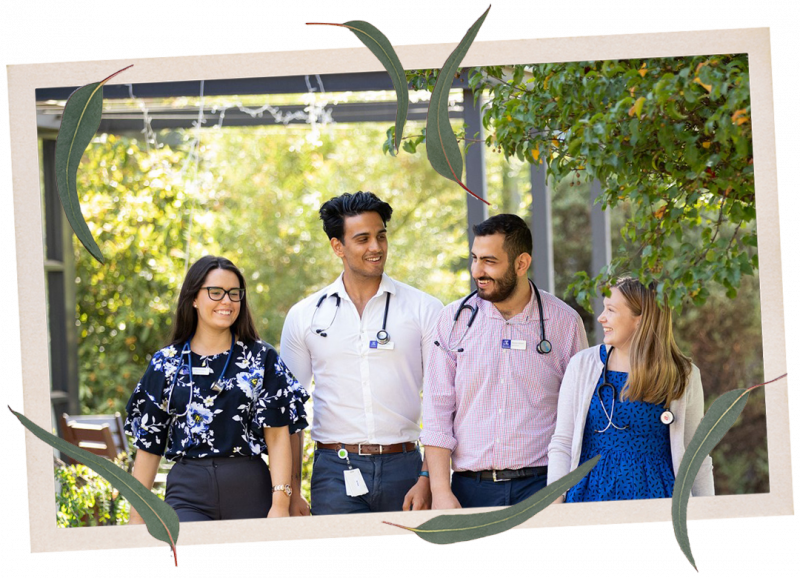
In the late 1990s, the Federal Government recognised an urgent need to improve the rural health workforce by ensuring that enough doctors, allied health professionals, and other health practitioners were serving regional and remote communities. The University responded swiftly, establishing the Department of Rural Health in Shepparton in 1999. This initiative forged vital partnerships with regional hospitals, La Trobe University, and Indigenous health programs.
2000s
2005
The journey to close the oral health gap begins
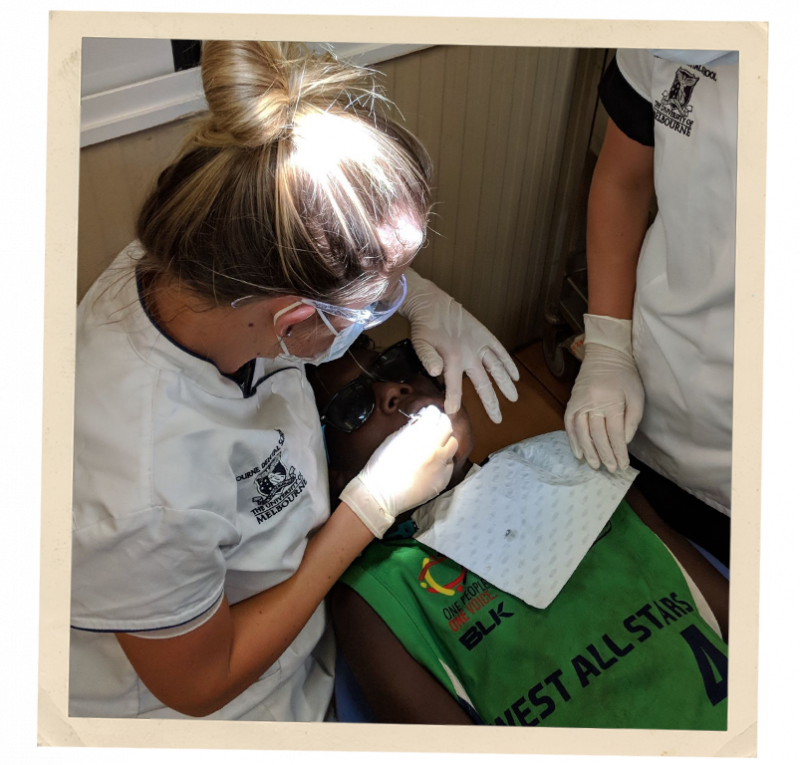
Aboriginal and Torres Strait Islander peoples had excellent oral health before colonisation. The ongoing effects mean significant systemic health issues, with Indigenous children now having three times the number of decayed, filled or missing teeth compared to non-Indigenous children by 14-15 years of age.
To address this inequity, Melbourne Dental School has partnered with Miwatj Health Aboriginal Corporation and the Northern Territory Government Oral Health Service to develop an Oral Health Plan for northeast Arnhem Land, and to send oral health students on placements to remote communities. This collaboration fosters two-way learning and improves oral health outcomes.
2008
Collaborative research helps premature babies breathe
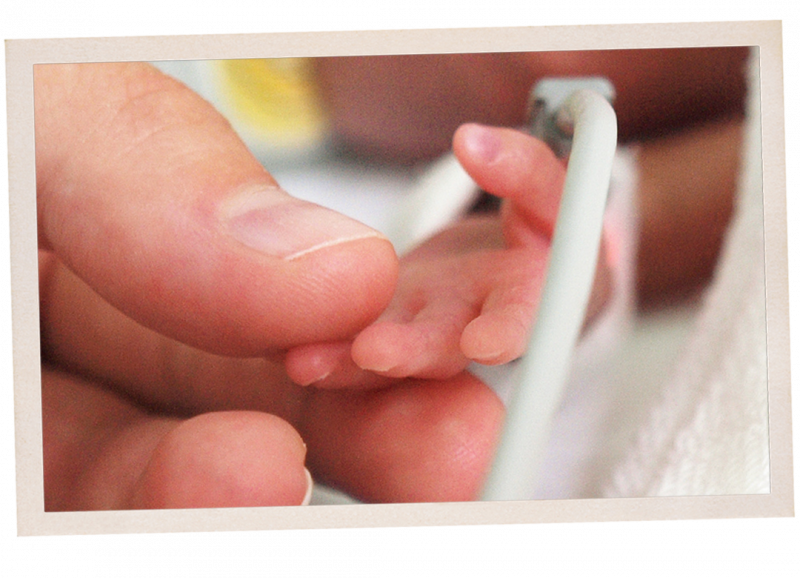
For decades, premature babies were routinely intubated immediately after birth, despite concerns about lung damage. Researchers from Melbourne Medical School and the Royal Women’s Hospital, working with Monash University, Murdoch Children’s Research Institute and the University of Tasmania, tested whether non-invasive methods could spare infants that trauma.
Their groundbreaking trials showed that gentler methods like CPAP were safer and more effective, revolutionising neonatal care worldwide and establishing a new standard for helping preterm babies breathe.
2009
Professor Elizabeth Blackburn receives the Nobel Prize in Physiology or Medicine
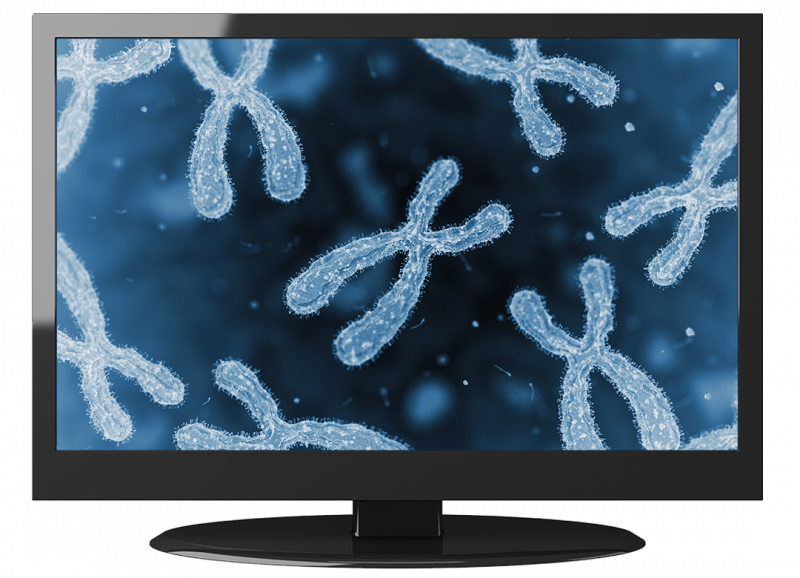
Alum Professor Elizabeth Blackburn AC transformed the field of biology by uncovering how chromosomes protect themselves from deterioration. Working with Dr Carol Greider and Professor Jack Szostak, she discovered that protective caps at chromosome ends– called telomeres – shorten with cell division, and that an enzyme named telomerase can repair them.
This remarkable finding unearthed the link between telomere loss and ageing, the importance of telomerase in tissue renewal, and its role in cancer growth, fundamentally changing scientific understanding of lifespan and disease.
2009
The VCCC unites to fight cancer
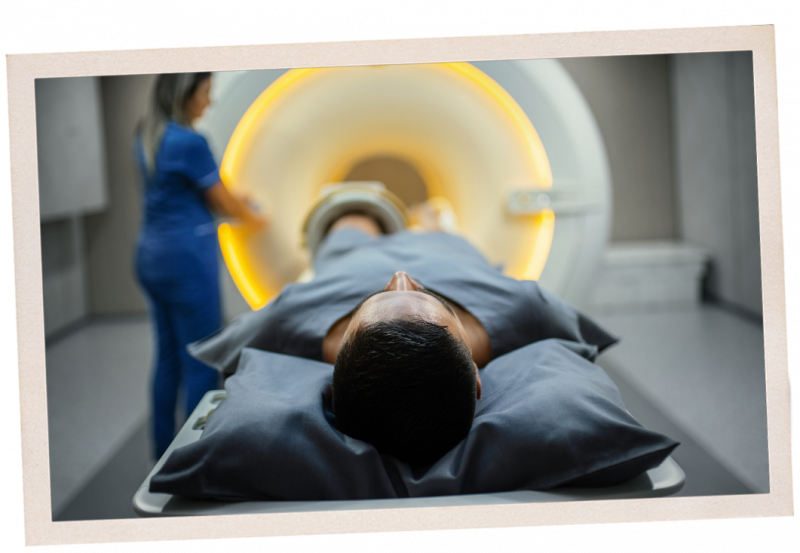
The Victorian Comprehensive Cancer Centre brought together 12 of Victoria’s leading research, academic, and clinical institutions under one roof in the Parkville Precinct, Australia's world-renowned biomedical research hub.
Since the VCCC’s inception, the partners – the University, Peter MacCallum Cancer Centre, Melbourne Health (including The Royal Melbourne Hospital), WEHI, The Royal Women’s Hospital, The Royal Children’s Hospital, Western Health, St Vincent’s Hospital Melbourne, Austin Health, Murdoch Children's Research Institute, Bendigo Health and Albury Wodonga Health – have advanced cancer research, education and care across Victoria and globally.
2010s
2012
Minum Barreng begins eliminating trachoma
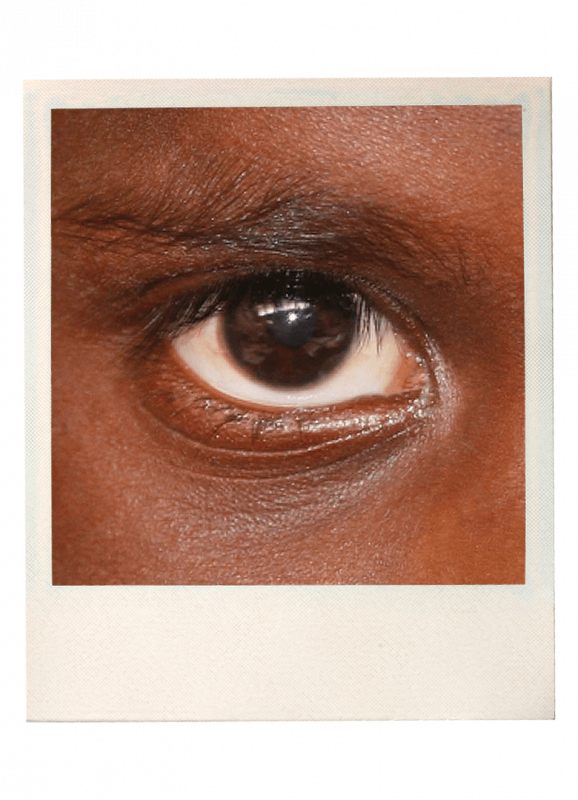
Minum Barreng, the Indigenous Eye Health Unit founded by Laureate Professor Hugh Taylor AC, set out to tackle trachoma, a bacterial eye infection that is virtually unheard of in other developed countries. Despite being one of the most preventable causes of vision loss, it caused blindness in remote Indigenous communities. Working with Aboriginal Community Controlled Health Organisations, schools, housing programs and governments, the Unit helped coordinate efforts that drove trachoma rates in children down to two per cent as of 2023.
Read more about the Indigenous Eye Health Unit in Dhoombak Goobgoowana Volume 2: Voice.
2014
The AxceldaPen rewrites the rules of cartilage repair
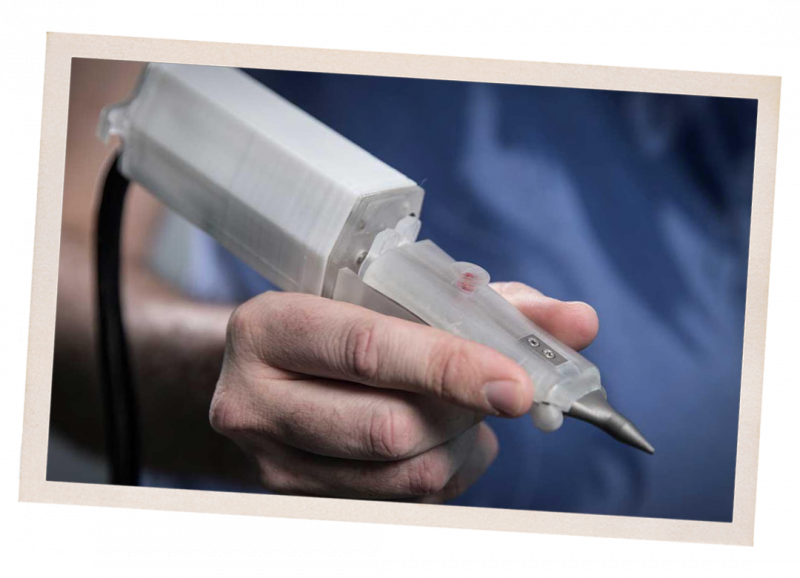
Working with engineers at the University of Wollongong, orthopaedic surgeon–researchers from the St Vincent’s Clinical School helped design and test the BioPen, a tool that lets surgeons print living cells directly onto damaged cartilage or bone. Their clinical input shaped the device for real surgical use, while later partnerships (including with Swinburne University of Technology) progressed the technology toward commercialisation as the AxceldaPen.
Learn about the AxceldaPen and other futuristic health treatments here.

2015
Power to Kids is formed to prevent abuse in out-of-home-care
The faculty’s Department of Social Work partnered with MacKillop Family Services to co-design Power to Kids, an evidence-based program that helps residential care workers prevent and respond to sexual abuse. Developed with frontline staff and young people, the model has since been adopted by more than 50 organisations, training over 1,500 workers and supporting safer environments for around 3,500 children.
2018
Minder™ puts round-the-clock seizure monitoring within reach
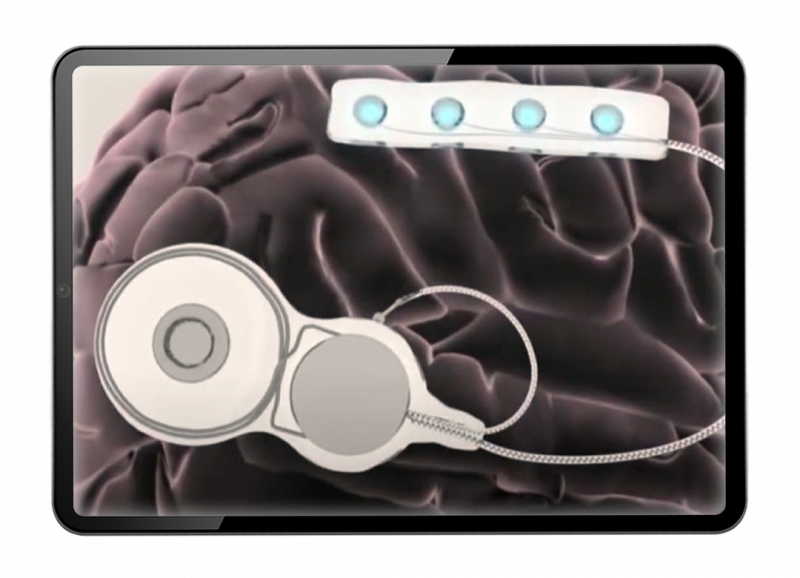
University and Bionics Institute researchers, working with neurologist Professor Mark Cook AO at St Vincent’s Hospital Melbourne, began the first in-human trial of Minder™, a small implant placed under the scalp that records brain activity around the clock. By giving patients and doctors daily data, this trial marked a major step toward a safer and more practical way to track and manage epilepsy.
Today, the technology is moving through further clinical studies and commercial development as part of a pathway toward broader clinical use.
2019
Australia’s first mobile brain scanners hit the road
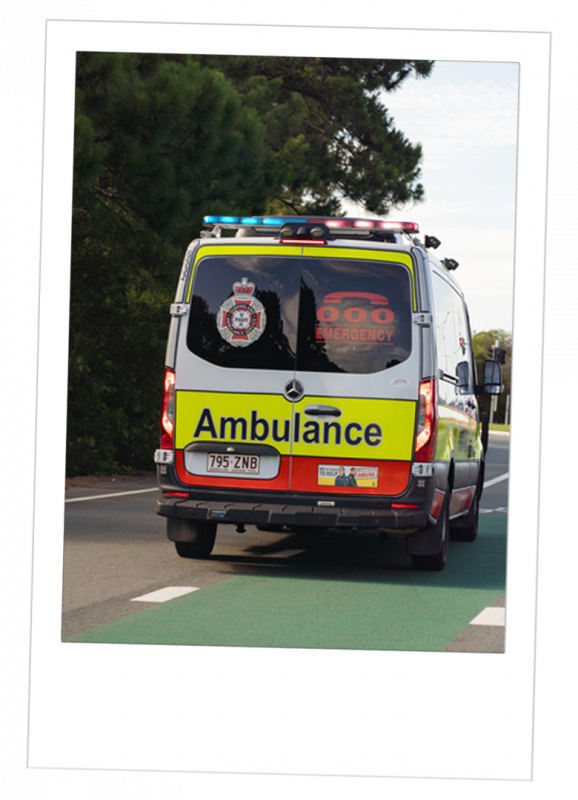
In the 2010s, Professor Stephen Davis AO and Professor Geoffrey Donnan AO discovered that ultra-lightweight brain scanners could be transported by road or air. The new compact devices allowed for rapid diagnosis and treatment of stroke patients before they arrived in hospital, with residents in remote areas receiving clot-busting drugs within the critical ‘golden hour’ after symptoms begin.
Pulling together a network of partners, including the Medical Research Future Fund, the Royal Flying Doctor Service, Ambulance Victoria and government departments, they developed portable imaging devices and the Zeus digital platform – a technology that is reshaping stroke care in rural and remote Australia.
2020s
2020
The Doherty Institute leads the way in the pandemic
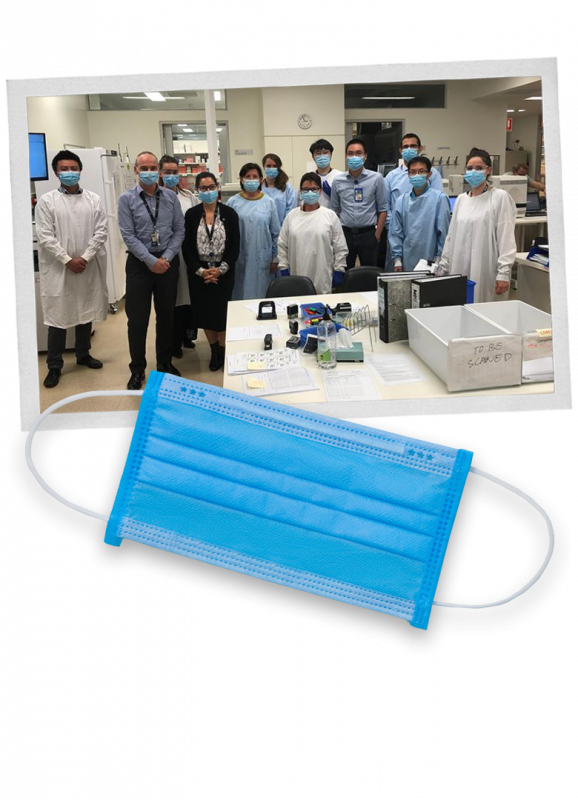
Within days of the first COVID-19 cases hitting Australia, scientists at the Peter Doherty Institute for Infection and Immunity isolated and grew SARS-CoV-2 from a Melbourne patient sample, becoming the first laboratory outside China to do so.
By 2021, the institute had become a central scientific voice in Australia’s pandemic response. Doherty researchers’ tireless efforts to understand the virus and model its impact shaped policy decisions, supported frontline clinicians, led to tests and vaccines, and contributed key insights into the immune response to COVID-19.
Learn how the Doherty Institute shaped Australia’s COVID response.
2026
A new chapter begins at the Aikenhead Centre for Medical Discovery
150 years of partnerships have taught us that the most effective way to drive advancements in health is through collaboration and innovation.
The new Aikenhead Centre for Medical Discovery at St Vincent’s Hospital Melbourne brings together clinicians, medical students, major universities, leading research institutes and MedTech companies on one site. Its proximity to a working teaching hospital offers a critical advantage: students, researchers and engineers can work side-by-side with clinicians and patients, turning ideas into impact through faster benchtop-to-bedside trials and close collaboration on new medical technologies.
Find out how ACMD is advancing the future of health.