How an experiment with guinea pigs and lithium led to early intervention
and modern mental health care.
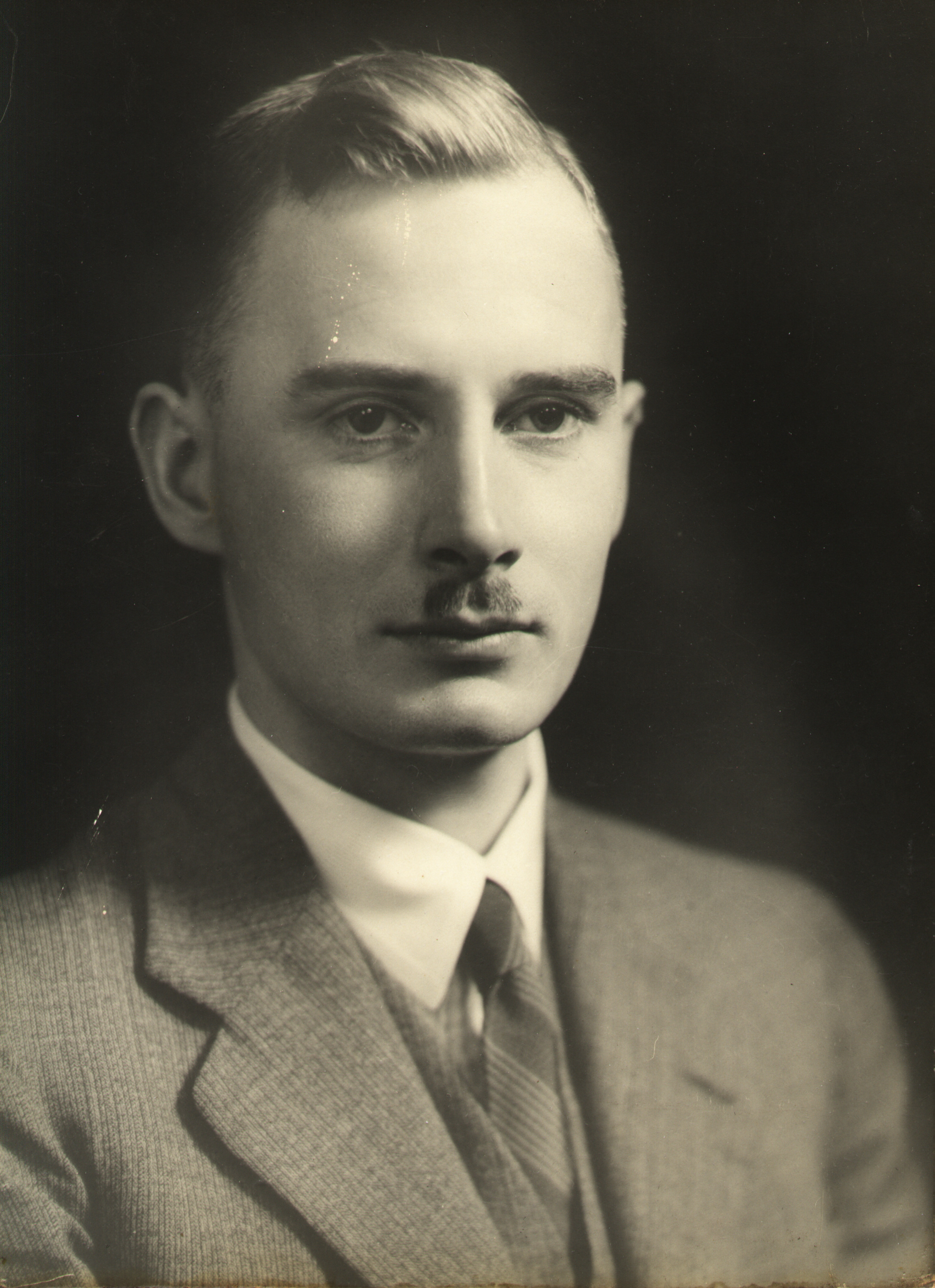
Source: Supplied by historian and author Greg de Moore
When young psychiatrist Dr John Cade AO began working at Beechworth Lunatic Asylum in 1938, mental illness wasn’t treated – it was contained.
The Melbourne Medical School graduate was the sole medical officer at an overcrowded institution marked by neglect, poor nutrition and untreated infections. Patients were locked away for life, many suffering from scurvy, pellagra and hypothyroidism.
Dr Cade began to wonder whether mental illness might be connected to physical health, rather than the mind alone.
During World War II, Dr Cade endured captivity in Singapore's infamous Changi Prison, witnessing first-hand the psychological toll of deprivation and disease. By the time he returned to Melbourne, he was convinced that effective mental health treatment might be possible if the science could catch up.
By the late 1940s, Dr Cade – now working at the Bundoora Repatriation Mental Hospital – was testing a theory that high uric acid might play a role in manic depression (bipolar disorder). In keeping with the research practices of the time, he injected guinea pigs with urine from affected patients.
The experiment failed, but when he added lithium salts to dissolve the uric acid, something extraordinary happened.
The lithium calmed the guinea pigs.
The ripple effect of a mental health revolution
Dr John Cade’s 1948 discovery that lithium carbonate could be used successfully to treat patients living with bipolar disorder overturned thousands of years of western thinking about mental illness.
For the first time, people living with severe psychiatric illness had access to a scientifically proven treatment that could change the course of their lives.
Take a walk through Melbourne’s Biomedical Precinct today and Dr Cade’s influence on the work of key University partners is visible at every turn. At The Florey Institute of Neuroscience and Mental Health, researchers have spent more than five decades deepening our understanding of the biological drivers behind schizophrenia, anxiety and addiction.
At the Royal Melbourne Hospital, the acute adult psychiatric unit bears Dr Cade’s name – and at its Advanced Interventions in Mood Disorders Clinic, Professor Chris Davey is exploring new frontiers by offering low-dose ketamine for difficult-to-treat depression and examining novel treatments for severe mood disorders in clinical trials.
But when it comes to innovation in mental health, effective treatment is only part of the story.
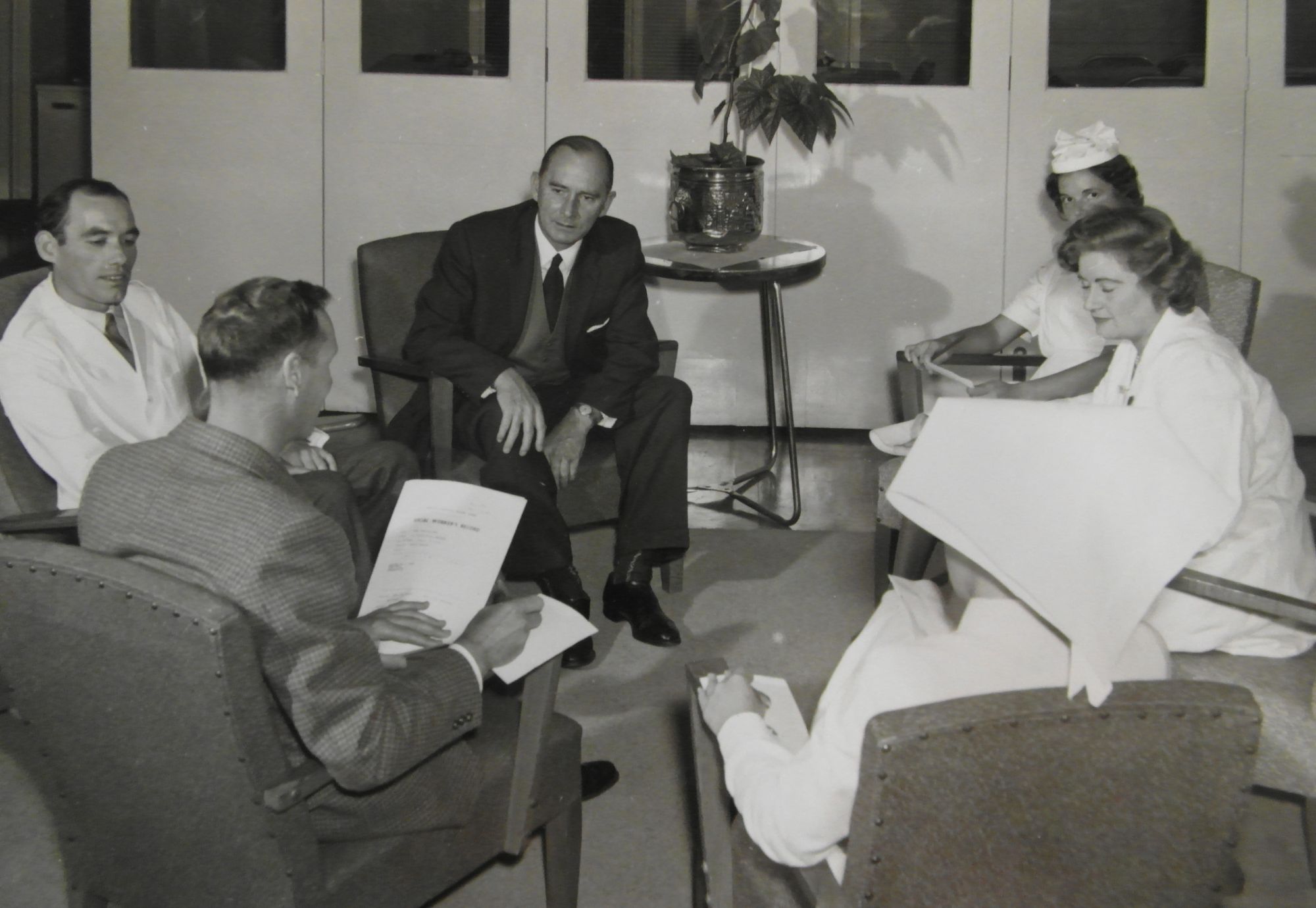
Source: RMH library. Date unknown.

The origins of early intervention
If John Cade cracked open the door to a new way of thinking about treatment for mental illness, Professor Patrick McGorry AO and his colleagues flung it wide open. In the early 1990s, Professor McGorry’s team at the Early Psychosis Prevention and Intervention Centre (EPPIC) set out with a then-radical goal: to reach young people experiencing psychosis symptoms for the first time.
Everything that’s happened in early intervention and youth mental health came from EPPIC. Professor Patrick McGorry AO
The EPICC model offered intensive, multidisciplinary care long before conditions became entrenched, expanding psychiatry’s scope from illness management to prevention. Within two decades it had been adopted nationally, with other countries adapting the model to their own needs.
EPICC eventually became Orygen, a University of Melbourne-affiliated medical research institute and the largest in Australia dedicated to mental health. It is now globally recognised for innovation in youth mental health care and leadership in shaping the field.
Australia’s National Youth Mental Health Foundation, headspace, was established in 2006 based on a model developed by Orygen. It now operates 173 centres nationwide, including five centres across Melbourne run by Orygen directly, and has supported more than 939,000 young Australians through counselling, substance use services, primary and sexual health care, and support for work and study. “It’s been an incubator of innovation and reform based on research and integration with healthcare,” says Professor McGorry.

Credit: Michael Kai
Reimagining care beyond the clinic
Innovation isn’t confined to clinics. More recently, through the leadership of Professor Mario Alvarez-Jimenez, Orygen has embraced digital tools that put patients in control. The MOST app provides mental health support in your pocket, while in Orygen's VR lab, immersive environments help young people with social anxiety reimagine therapy and empower recovery.
“We design scenarios where the person does challenging tasks,” explains Professor McGorry. “Ordering a coffee, attending an appointment, dealing with a grumpy receptionist. It’s more engaging than sitting in a room talking. It makes you think differently.”
Associate Professor Caitlin Hitchcock of the Melbourne School of Psychological Sciences says the redesign of therapy is driven by young people themselves.
“Often they don’t want to go into medical clinics,” she explains. “They want to be doing things at home, using apps on their phones, or completing interventions that are delivered by peers rather than psychologists and psychiatrists.”
The possibilities for new treatment approaches are endless. Associate Professor Hitchcock is testing programs such as Left Write Hook – combining boxing and expressive writing for adult survivors of child sexual abuse and gendered violence – and MemFlex, which helps people build a library of positive memories. Trials of MemFlex show measurable benefits for depression, post-traumatic stress disorder and psychosis.

Supplied: Orygen

Credit: Michael Kai
Carrying Dr Cade’s vision forward
Since Dr John Cade’s remarkable discovery in 1948, mental health treatment has been transformed from containment to evidence-based research, digital innovation and patient empowerment. Yet, as Professor McGorry notes, the study of psychiatry remains a “fragile enterprise” that flourishes in certain periods and is neglected in others.
“Close to twenty percent of the burden of illness and disease in the community is explained by mental illnesses, possibly more, but only seven percent of healthcare funding goes to mental health care or research,” he says. “This is a policy failure that weakens society.”
By investing in cutting-edge research around the onset of illness, we can transform treatments for mental health. By ensuring all Australians have equity of access to quality care, we can transform outcomes and strengthen society. It is within our grasp. Professor Patrick McGorry AO
What once seemed impossible – patients influencing their own care, mental illness being treatable and even preventable – is now everyday practice in some parts of Australia. And the work continues, once contained, now reaching far beyond hospital walls and into the hands of people in need of expert care.