Medical students were once begrudgingly accepted into hospital wards.
Today, clinical schools are the bedrock of medical training.
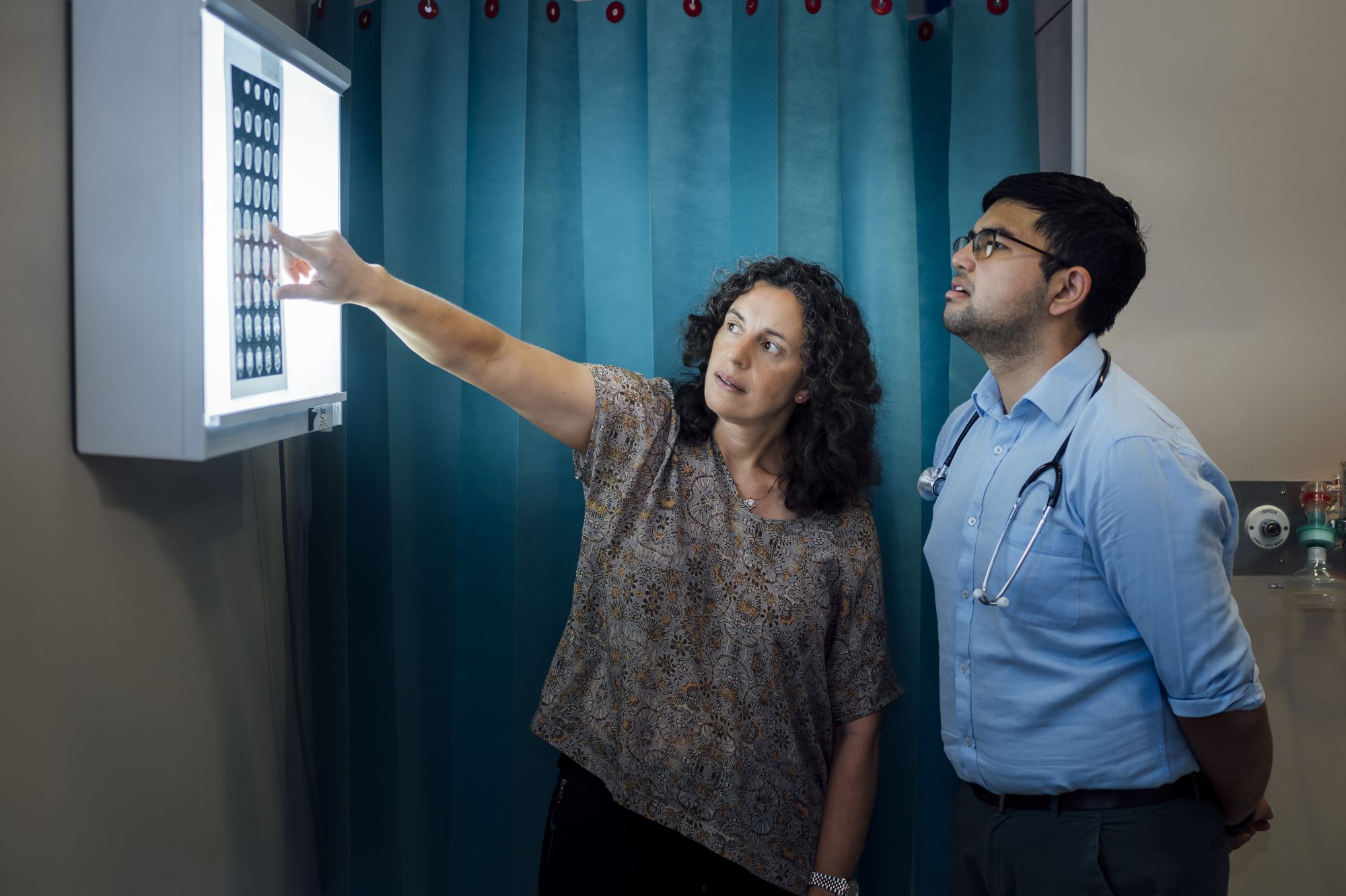
Watching a neurologist perform the Dix-Hallpike manoeuvre on a patient is an experience medical student Farhan Islam won’t forget easily.
As the patient’s head was swiftly turned to one side then laid back to hang over the edge of the bed, Mr Islam couldn’t help but hold his breath. For a few heartbeats, the room fell silent. Then suddenly the patient let out a sharp cry of pain, and the diagnosis was confirmed. Symptoms that had briefly raised the spectre of a stroke were nothing more than benign paroxysmal positional vertigo, a common inner ear disorder that’s usually easily treated.
“I just couldn’t believe it. It was like seeing a magician at work,” recalls the Doctor of Medicine/Master of Biomedical Engineering student.
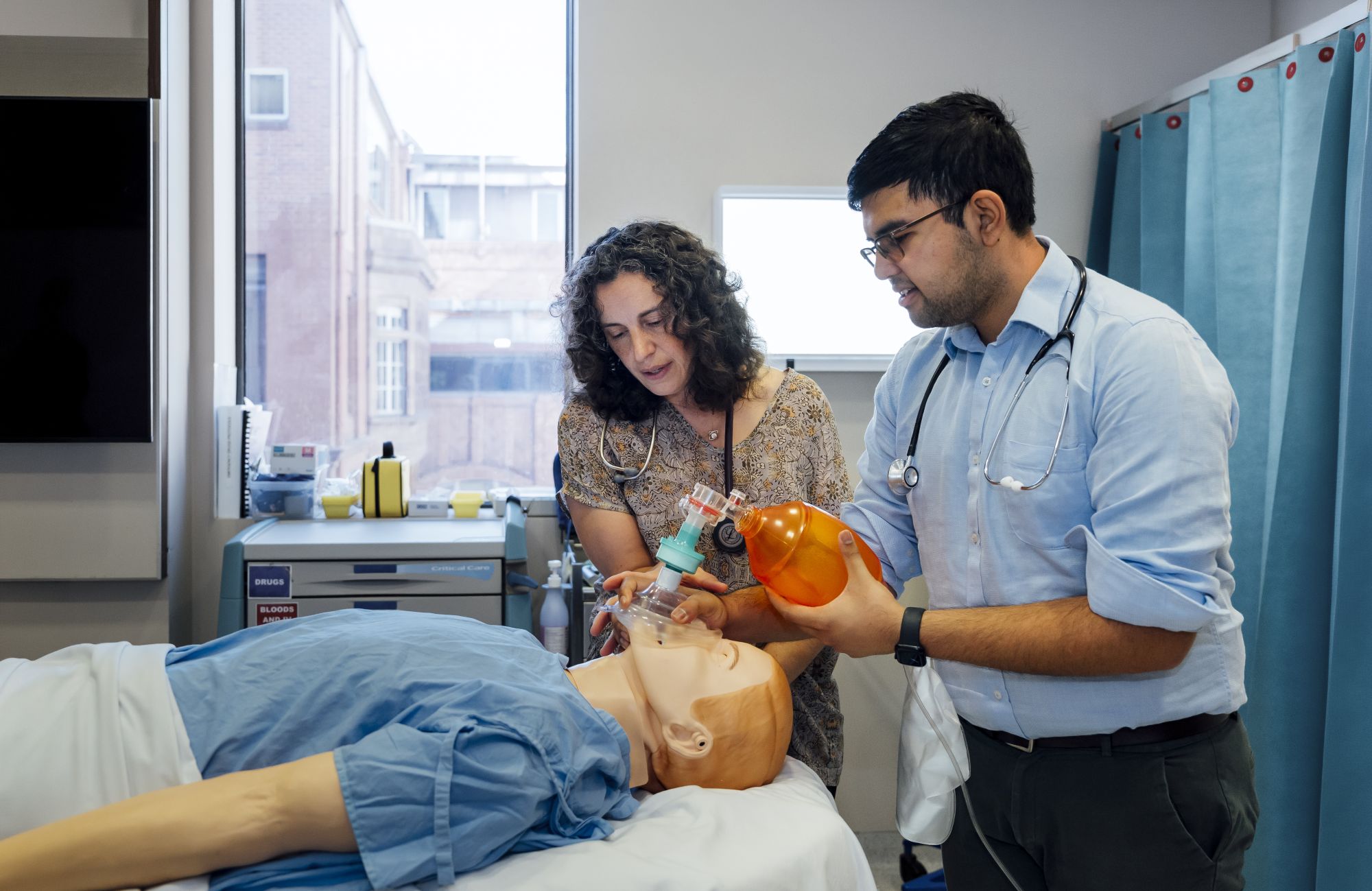
Credit: Wren Steiner.
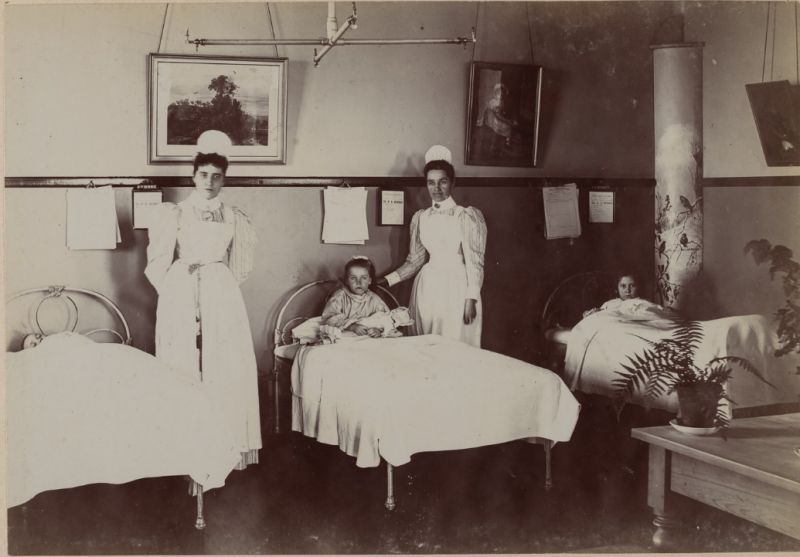
Source: Medical History Museum, Faculty of MDHS
A reluctant welcome
Hands-on learning is now central to medical education, but it wasn’t always embraced.
From its earliest days, the University required students to learn in hospitals as well as lecture theatres. But when the first cohorts entered the crowded wards of Melbourne’s hospitals, their presence was not always welcomed.
“It cannot be said that the students were received with enthusiasm by the management or indeed by the medical and surgical staff who accepted them with reluctance and even with some repugnance,” said the late Professor Emeritus of Anatomy and medical historian Kenneth Russell of these early years.
Many practitioners were responsible for heavy clinical workloads, leaving limited time for teaching. It was a rocky start, but gradually the University’s relationship with institutions like the Royal Melbourne Hospital and The Alfred began to strengthen.
A major milestone arrived in 1910, when the University signed its first formal clinical agreement with St Vincent’s Hospital Melbourne, appointing clinical lecturers and paying them fees. Other institutions soon followed and by the 1950s the once separate worlds of medical education and clinical practice were formally intertwined.
Today, the once-contested presence of students in hospitals is widely seen as benefitting students and clinicians alike. Nephrologist Dr Christine Sammartino finished medical school in 2004 and now balances teaching and clinical work at St Vincent’s Public and Private Hospitals.
Student doctors make sure you’re up to your game, because if you’re teaching students, you have to be at the forefront of your knowledge and experience. They hold you to account. Dr Christine Sammartino
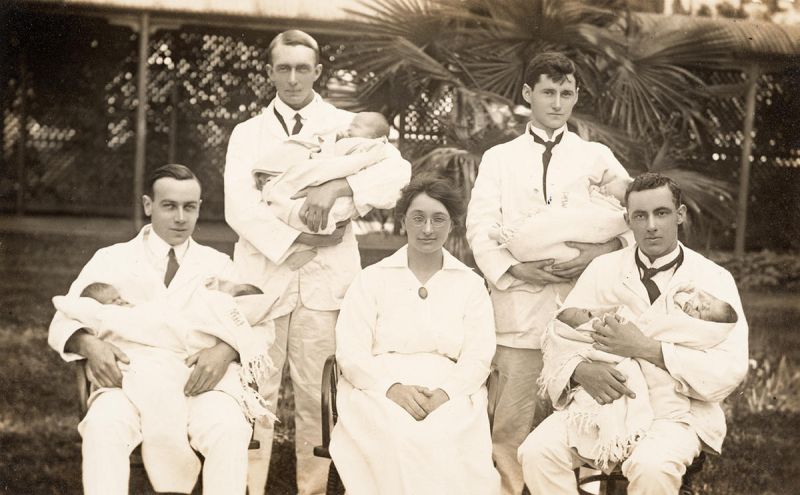
Source: Medical History Museum, Faculty of MDHS
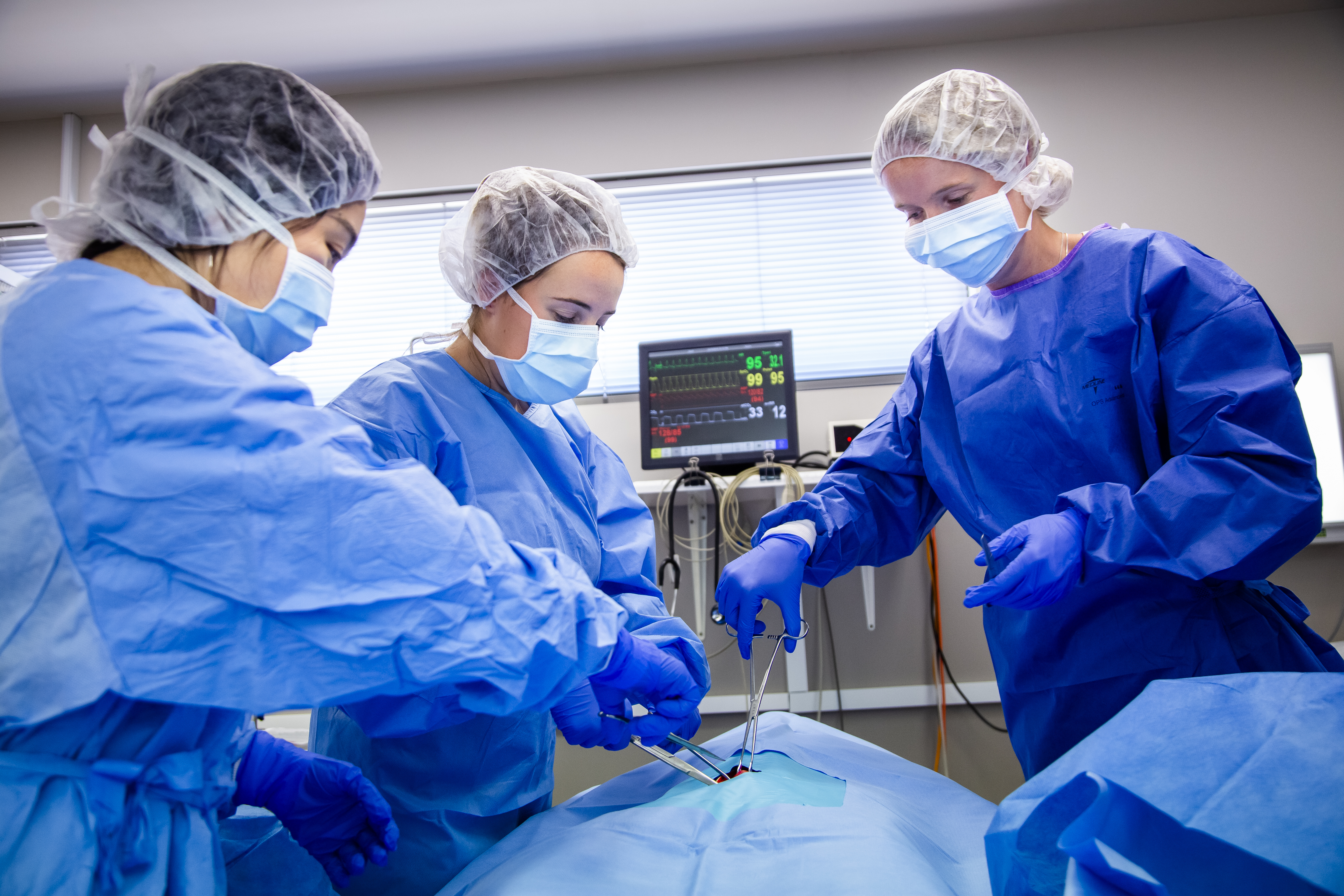

Scrubs beyond the city limits
For decades, the path to becoming a doctor ran almost exclusively through Melbourne hospitals. That began to change in 1999, when the University of Melbourne established the Department of Rural Health in the Central Victorian city of Shepparton, in response to the acute need for more doctors, allied health professionals, and other practitioners in rural and regional areas.
The first intake was just eight students. In 2026, training sites embedded in health services at Shepparton, Echuca, Ballarat and Wangaratta will welcome more than 190 rural medical students.
Mildura-born junior doctor Dr Abigail Rowe always intended to come home after completing her rural medical studies, but training under the guidance of doctors at Goulburn Valley Health and Echuca Regional Health cemented that decision.
“I have been so inspired by the doctors who have mentored me. They’ve spent their whole lives treating and working in these rural communities, and have just made such a difference,” she says.
Having recently graduated, Dr Rowe has now come full circle as an intern at Mildura Base Public Hospital and plans to train as a rural generalist, developing an additional area of expertise shaped by the needs of her community. “In rural areas you can figure out where the gaps are, what the town needs, and just build your skills.”
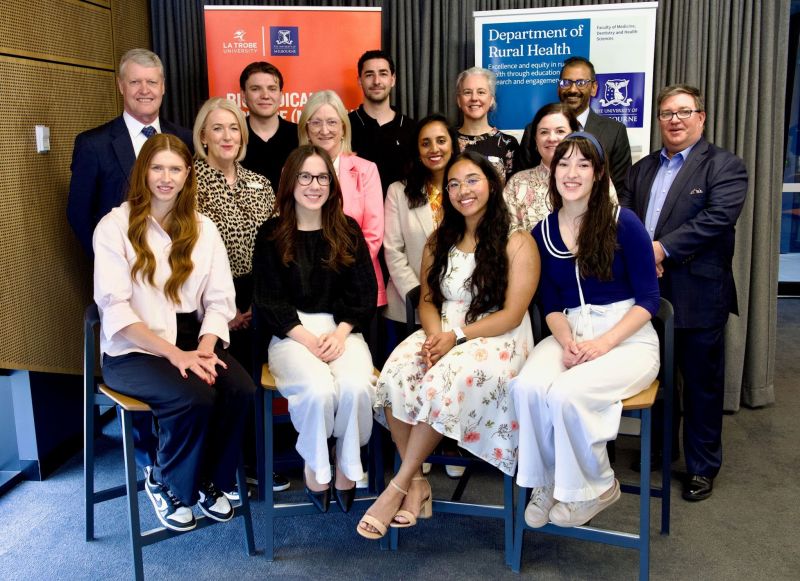
Professor Sarath Ranganathan, Head of the Melbourne Medical School, says it’s fantastic to meet graduates like Dr Rowe and hear their stories and commitment to improving health outcomes in rural and regional communities.
“The Melbourne Medical School strives to open doors for people who want to practise medicine locally, because we know that supporting those who choose to serve in regional, rural and remote communities leads to better long-term health outcomes,” he says.
The School partners with local health services and community organisations and provides students with rural placements to ensure they are ready for the unique challenges of country practice.
The Department of Rural Health has partnered with La Trobe University since 2018 to offer an end-to-end rural medical pathway in Shepparton, with the first cohort graduating in 2025.
“This partnership has enabled our rural students the opportunity to commence the Doctor of Medicine (MD) in a rural setting from day one. This affords our students the opportunity to really get involved with the local community and enjoy the rural, or regional lifestyle without needing to spend extended periods of their studies in the city,” says Professor Ranganathan.
Having celebrated the first cohort of our Rural Medical Pathway program, I’m excited to see them head into hospitals and clinics across regional and rural Australia and put their training into practice. Professor Sarath Ranganathan
Passing the torch
For hospital clinicians, the experience of working with students is a chance to help shape the future of medicine. “We do it because we believe in that next generation, and we want that next generation of doctors to be capable of looking after people,” says Dr Sammartino.
Farhan Islam hopes to be able to do the same one day. “I really love the idea of mentoring. I just want to remember what it’s like to be in their position and just try and put them at ease. I think that will be a great source of satisfaction.”
A Body of Knowledge was a key source for this article.
Credit: Wren Steiner.