The inside story of the lab that steered Australia through the pandemic – and is now preparing for the next one.
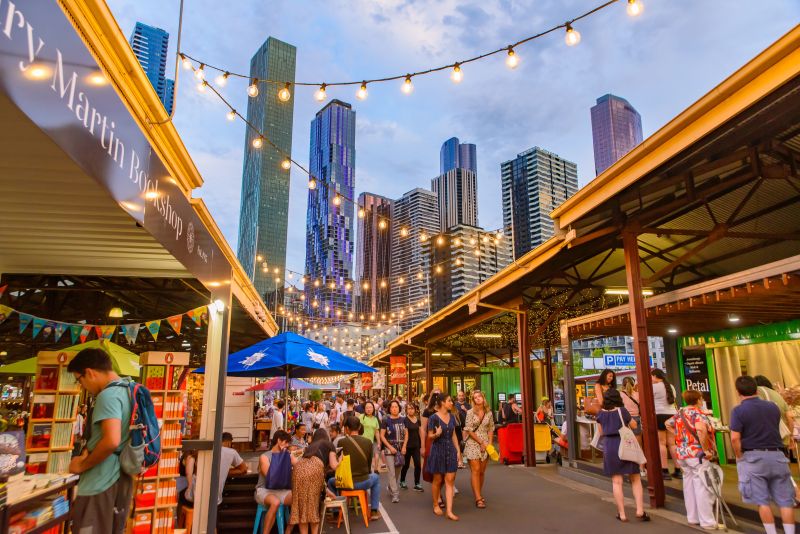
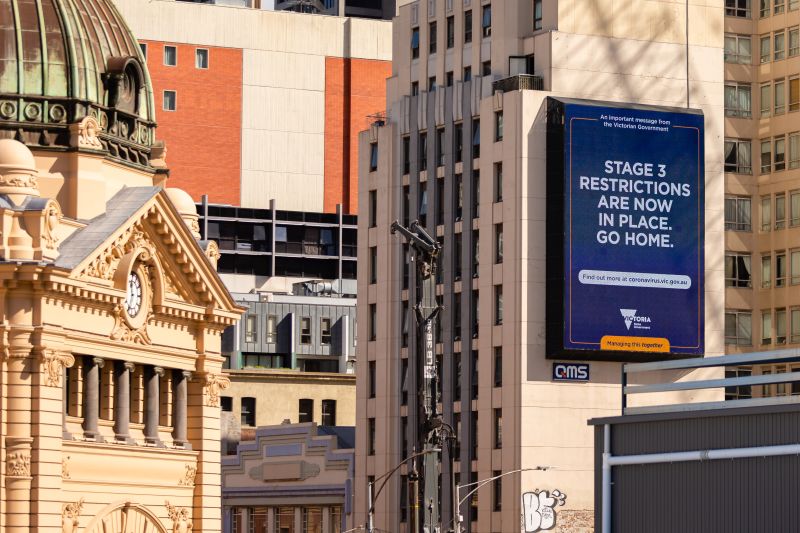
When the first lockdowns began in Melbourne in March 2020, a city of more than five million fell abruptly silent. Offices closed. Trams ran almost empty. Only a scattering of essential workers moved through the streets. It was a strange and uncertain time.
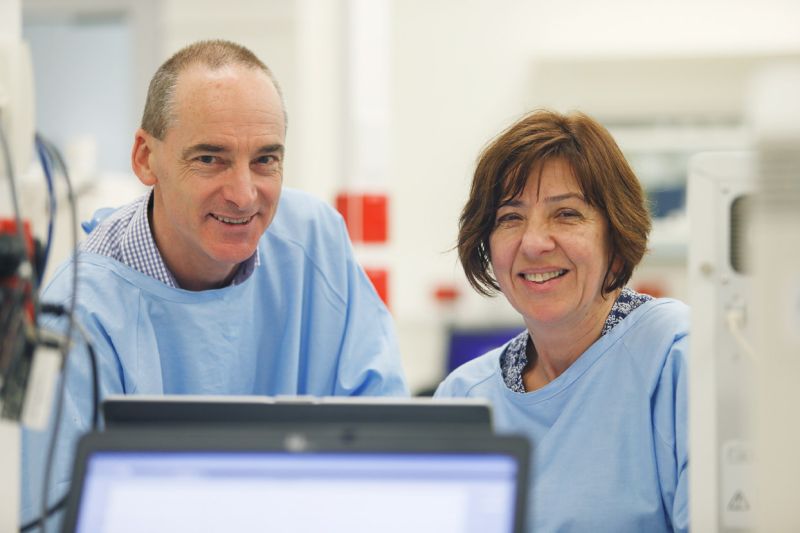
“I cycled to work, and it was just surreal and calm,” recalls Dr Mike Catton, then Deputy Director of the Doherty Institute for Infection and Immunity and head of the Victorian Infectious Diseases Reference Laboratory (VIDRL).
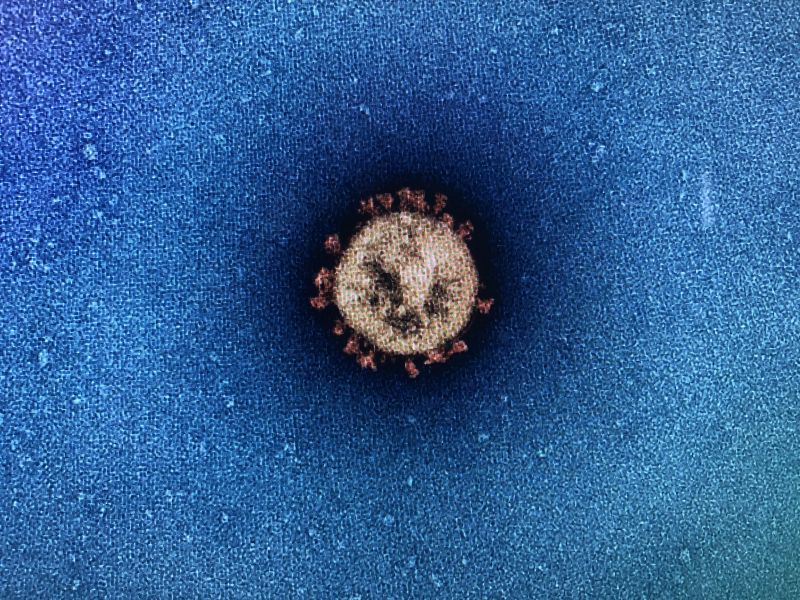
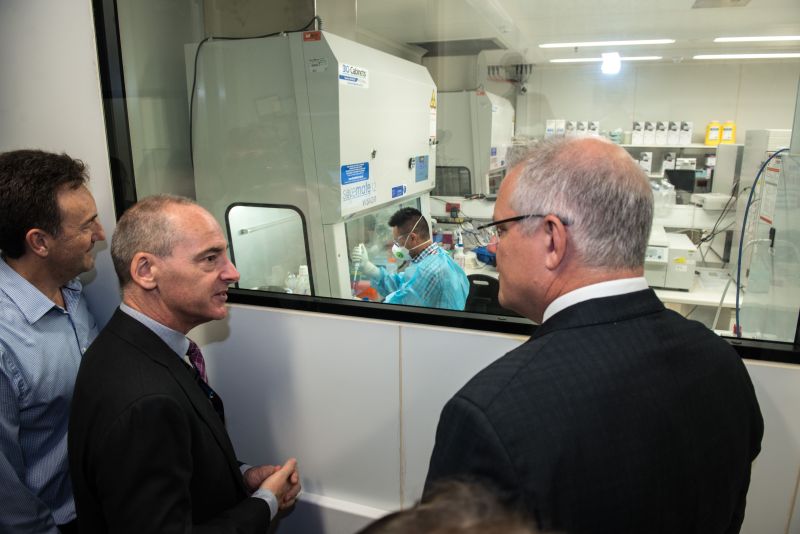
Describing Dr Catton as an essential worker is an understatement. It was his team at the Doherty Institute that achieved a critical early breakthrough: they were the first outside China to isolate and grow the COVID-19 virus in the lab, only weeks after a cluster of unexplained pneumonia cases was reported in Wuhan in December 2019.
The virus was grown from a patient sample that arrived at VIDRL on 24 January 2020, and by early February the world was learning of the scientists’ breakthrough.
Credit: Dave Hewison
Credit: A/Prof Jason Roberts, Victorian Infectious Diseases Reference Laboratory (VIDRL) at the Peter Doherty Institute For Infection & Immunity
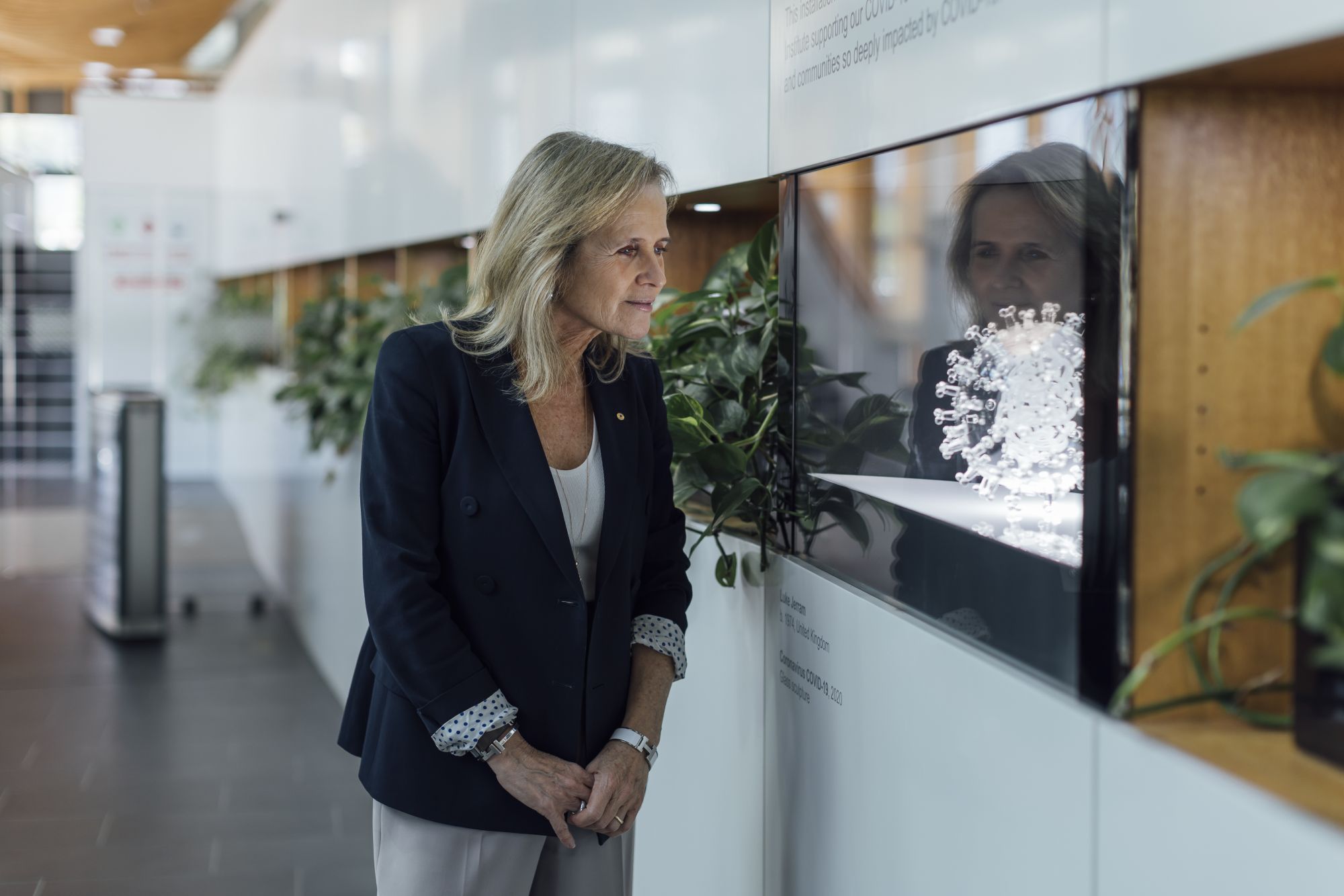
“That was a real success story,” says Professor Sharon Lewin AO, Director of the Doherty Institute. “It was a big deal, because until that moment, no one had access to the virus itself, except for China.”
The team’s pivotal decision to share the cultivated virus internationally – allowing labs around the world to begin developing tests, vaccines and treatments – thrust the Doherty Institute into the international spotlight.
“Everybody wanted a piece of us,” says Dr Catton. “We held a big press conference. Anyone that knows me knows how much I would have relished that – not,” he jokes.
But this was no fleeting moment of attention. In the months and years that followed, the Doherty would become central to Australia’s pandemic response.
A one-stop shop
Anyone familiar with the work of the Doherty Institute knows the speed and coordination shown in those early days of the pandemic were no accident. Established in 2014 and named after Nobel Prize-winner Professor Peter Doherty, the institute brought together leading infectious disease and immunology expertise under one roof, among them the University of Melbourne’s Department of Microbiology and Immunology and the Royal Melbourne Hospital’s VIDRL.
It was designed to be what the then Deputy Vice Chancellor Research at the University of Melbourne and member of the Doherty Council Professor James McCluskey later described as “an ecosystem” that would be a “one-stop shop for infectious disease threats and the immune response to them.” When COVID-19 arrived, that model proved its worth.
The Doherty moved fast. Having cultured the virus and shipped it to labs around the world, their focus shifted to controlling the threat at home by developing a simple diagnostic test and supporting governments to rapidly introduce testing across the country.
While Dr Catton’s lab worked around the clock processing test samples, the Microbiological Diagnostic Unit used its ‘AusTrakka’ platform to share genomic data in real time, helping to trace outbreaks and track emerging variants.
“That had been a very niche research tool, and it just went bang!” says Dr Catton. “It became a focus for daily meetings with the Health Department.”
Over the next 12 months, the Doherty’s work expanded to encompass vaccine trials, research into airborne transmission, and frontline clinical care, all before playing a vital role in Australia’s vaccine roll-out in 2021 through their work on mathematical modelling.
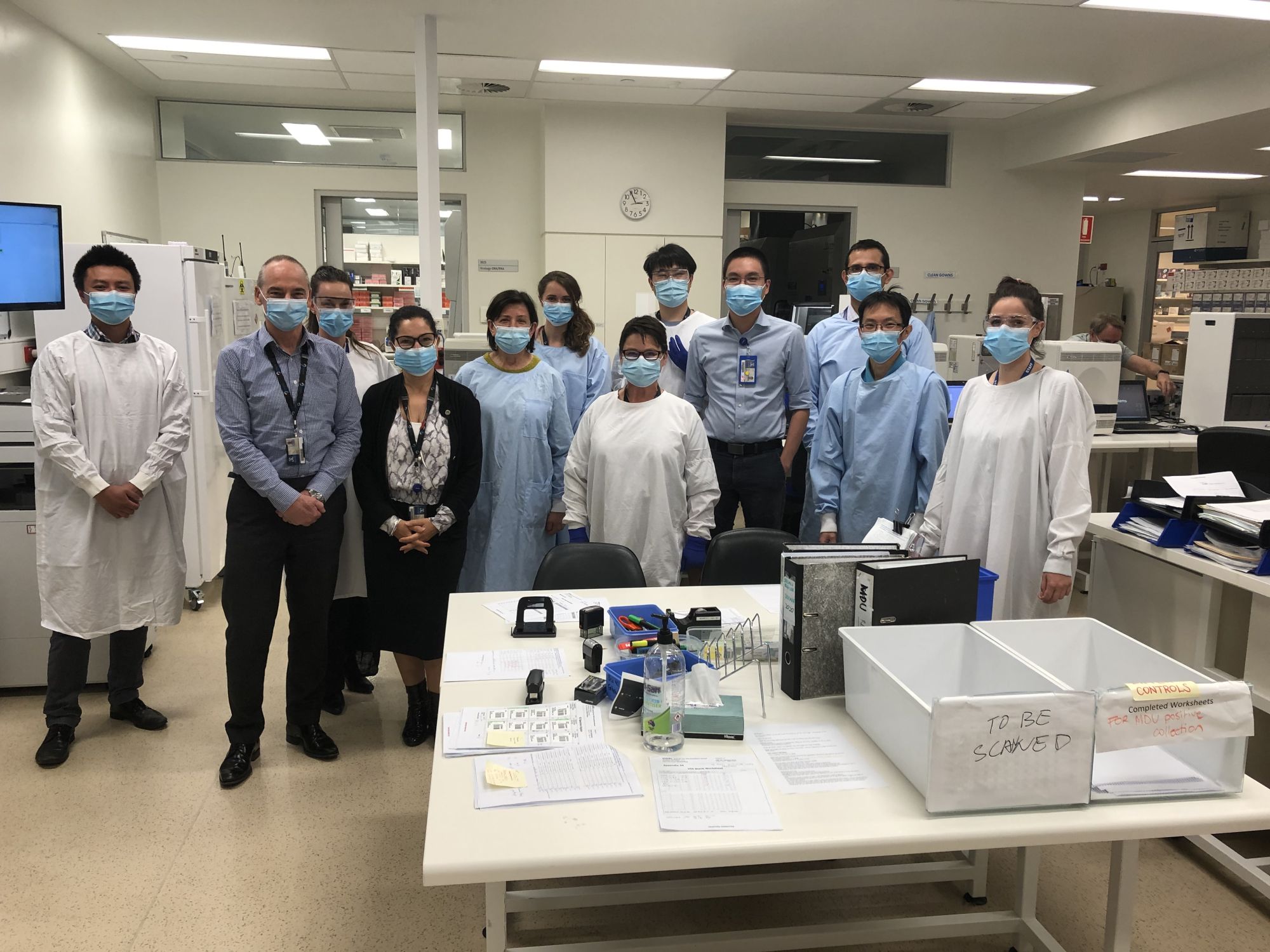
While many Victorians were at home for months on end, Dr Catton’s team were spending more time in the lab than ever.
The hours were relentless, but morale remained high.
Everyone was proud of what we were doing and committed to it. You just keep on keeping on...then at about seven in the evening a delivery bike would pull up outside, and we’d all get pizza and break bread. That was part of the experience. Dr Mike Catton
Credit: Michael Kai.
Preparing for Pathogen X
Six years on from the peak of the pandemic, the Doherty Institute’s role in widespread testing and a model to inform high vaccine uptake are recognised as unique strengths in Australia’s response that helped save thousands of lives. “Our early response was very impressive, almost textbook perfect,” says Professor Lewin. “But there were definitely gaps, and every country was in the same position, because no-one had ever imagined something of this scale.”
Dr Catton says one of the most sobering lessons was the fragility of global supply chains. “When all the reagents for testing, the swabs, the face masks, are manufactured offshore, and everybody in the world wants it at the same time, suddenly you’re exposed in a way that had never been contemplated.” Scientific capability, he suggests, must be matched by domestic manufacturing capacity.
For Professor Lewin, the enduring lesson is preparedness for the unknown – the next ‘Pathogen X’. “We have to be ready for something that’s going to come out of the blue,” she says.
Australia’s ability to do just that is supported by significant philanthropic investment secured by the Doherty Institute during the pandemic. A $250 million gift from retired businessman Geoffrey Cumming and $75 million from the Victorian government led to the establishment of the Cumming Global Centre for Pandemic Therapeutics in 2022, designed to accelerate the development of antiviral treatments.
A $3 million donation from TikTok, alongside support from the Paul Ramsay Foundation, the University of Melbourne and the Victorian Government, helped establish Doherty Clinical Trials Ltd – Australia’s first clinical trial facility specialising in healthy volunteer human infection challenge studies that includes respiratory pathogens, such as influenza.
Having helped steer Australia through the pandemic, Professor Lewin is confident her team’s deep experience, knowledge and infrastructure will stand them in good stead for whatever comes next.
“Not much keeps me up at night,” she says. “I’m a big believer in science and a big believer in what our global community can do through collaboration. And if Pathogen X comes, it won’t be me dealing with it alone. It will be me with the amazing people in this institute and an amazing global network of collaborators – each contributing their passion, hard work and brilliant ideas.”