From enamel-repairing chewing gum to vaccines for gum disease, decades of shared discoveries are reshaping what it means to visit the dentist.
We’ve come a long way from the days when removing all your teeth was considered a practical solution.
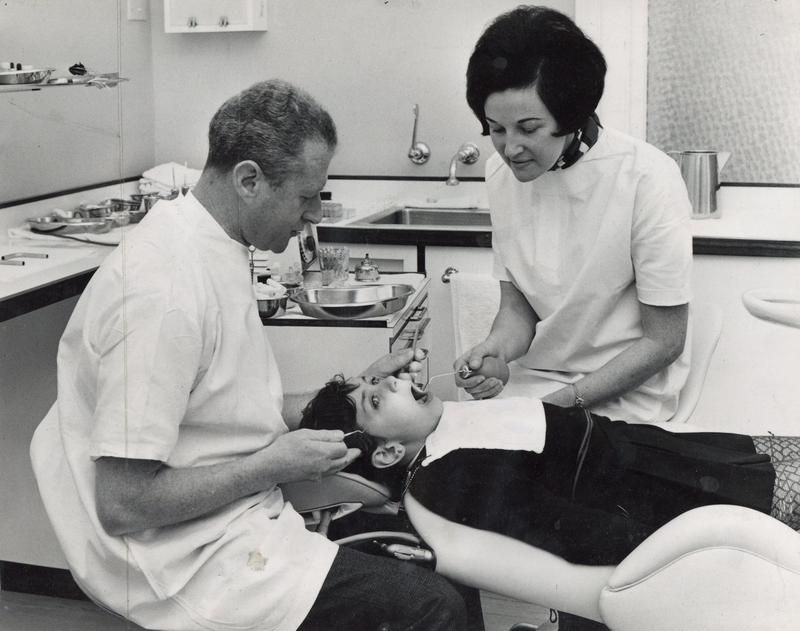
“There was definitely a mentality that teeth are a nuisance. Get rid of them, and then get dentures,” recalls Laureate Professor and biomedical researcher Eric Reynolds AO. “I even had one medic say to me, ‘who cares if you lose a few teeth?’”
That mindset began to lose its bite in the 1970s and 80s. The introduction of fluoride to drinking water across Australia triggered a sharp drop in tooth decay – but after the initial decline, decay rates began to plateau. Professor Reynolds wanted to understand why.
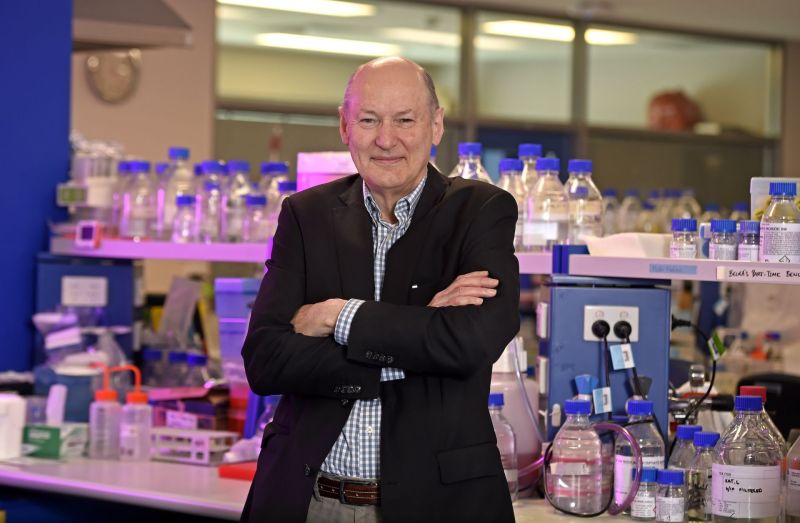
Examining how teeth absorb fluoride, he identified a crucial catch: fluoride cannot harden enamel on its own. It only works if there is enough calcium present to build fluorapatite – the mineral that gives enamel its strength. “I thought, well it doesn’t matter how much fluoride you apply. If there’s not enough calcium there, it’s not going to work!”
For Professor Reynolds, part of a generation that grew up drinking free milk at school, the answer was clear: dairy.
Source: Henry Forman Atkinson Dental Museum, Faculty of MDHS
Credit: Jeff Crowe, courtesy DHAA Ltd
Turning milk into medicine
Within a few years of research, Professor Reynolds demonstrated that dairy products could do more than protect teeth – they could actively help repair them.
By 1987, he had proved that casein, a protein found in cow’s milk, could significantly reduce enamel demineralisation and enhance fluoride absorption. Working with partners including the Cooperative Research Centre for Oral Health Science (now Oral Health CRC), Dental Health Services Victoria (now Oral Health Victoria) and global companies such as Warner Lambert/Mondelez and GC Corporation Japan, his discovery eventually became Recaldent® - marketed as GC Tooth Mousse™ - a breakthrough product designed to help teeth heal themselves.
Today, this tooth-saving technology is used in long-life milks, chewing gum, toothpastes, mousses and varnishes in more than 50 countries. These days, repairing a cavity can be as easy as walking and chewing gum.
“Go to almost any dentist and say you’ve got a white spot on your tooth, and the dentist will say ‘Oh, use Tooth Mousse™’,” says Professor Reynolds. “I’m proud of that.”
Care beyond the dental chair
One reason for Recaldent®’s success is its accessibility. It places preventive dental care into everyday products, giving people tools they can use at home to improve their oral health. It’s one example of how dental care is becoming more affordable, more accessible and more prevention-focused.
Even so, tooth decay remains a significant public health challenge. One in four adults in Australia currently have untreated caries, with rates even higher among children. Dental care is expensive and many people delay treatment. Education and prevention have never been more important.
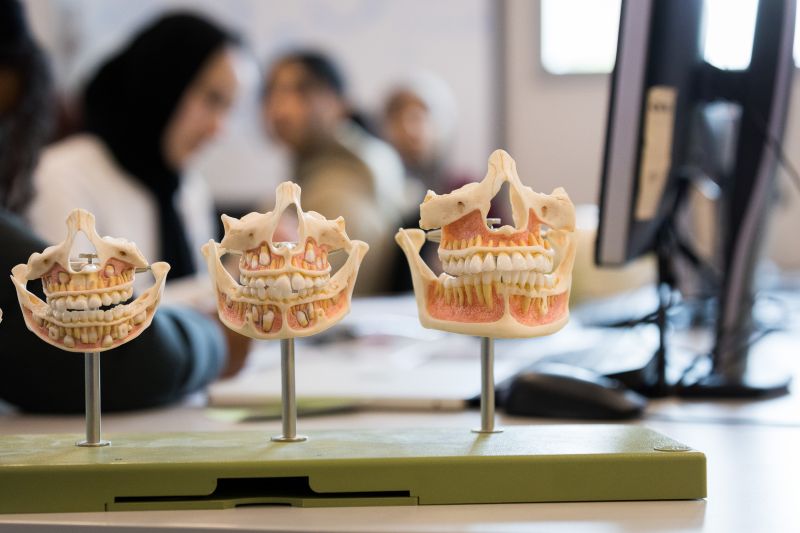
That’s where alum Associate Professor of Oral Health Roisin McGrath has focused her work. Working with Oral Health Victoria as a Population Oral Health Consultant, she has advocated for a shift in the dental care model – one that positions oral health practitioners (including dental hygienists, dental therapists and oral health therapists) as the first point of contact for care and education.
Credit: Peter Casamento
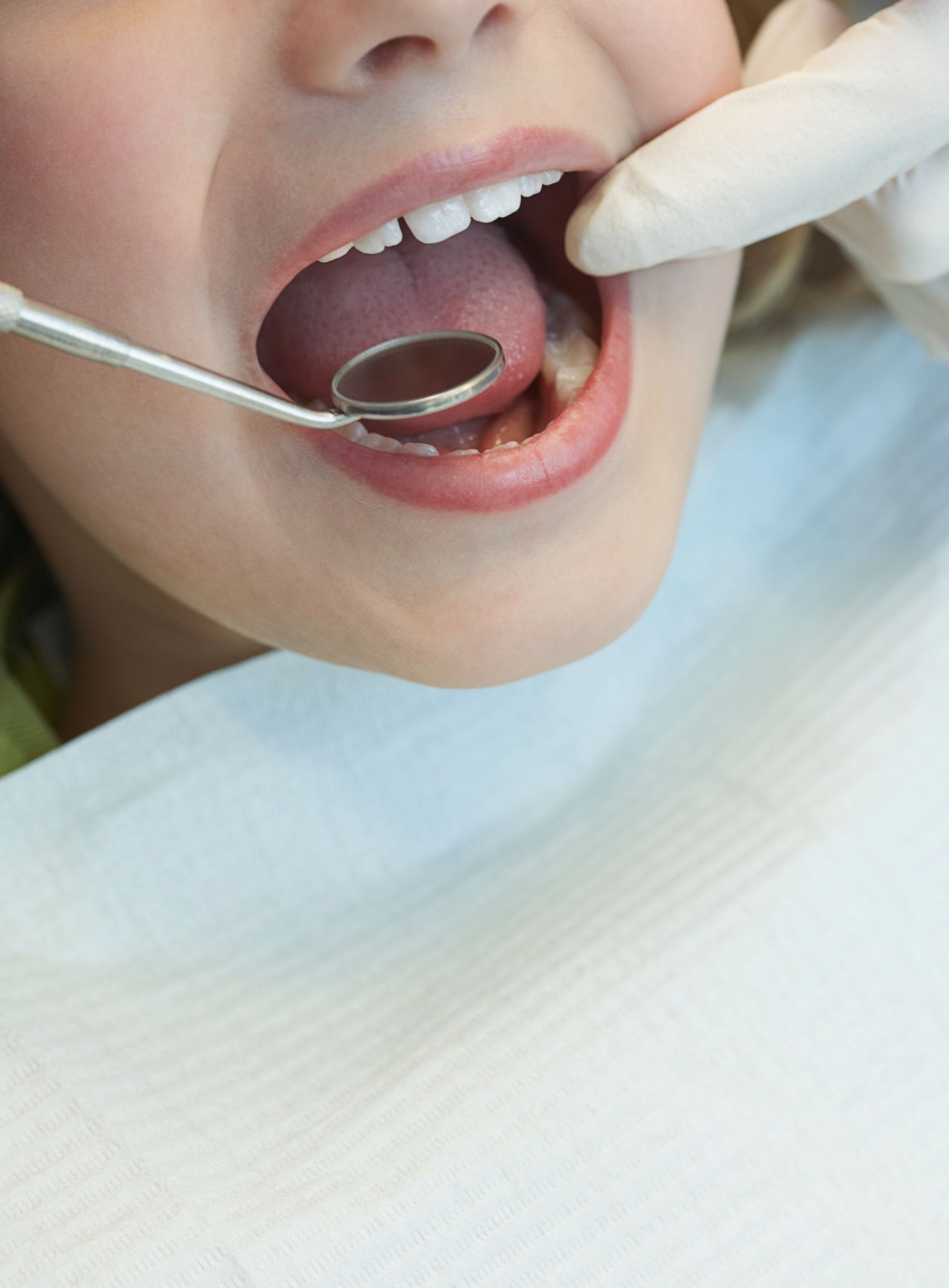
“It’s called direct access. Oral health practitioners can now treat people of all ages, not just children, and provide restorative treatment, without patients needing to see a dentist first. They have a narrower scope of practice than a dentist but are much more prevention, health promotion and education focused.”
In this model, dental care doesn’t always start in a clinic. It is delivered in schools, aged care facilities, communities and homes, often before problems take root.
This preventive approach is already in action. The Victorian Government’s Smile Squad program delivers free dental care to all students in Victorian government primary and secondary schools. The program is delivered by Oral Health Victoria in partnership with community dental agencies.
Meanwhile, Oral Health Victoria’s Smiles 4 Miles initiative works with early childhood services to promote healthy eating and good oral health habits from a young age, laying the foundations for lifelong behaviours.
Patient-centred, co-designed care is the future, Associate Professor McGrath says.
One of the shifts over the last 20 years has been really thinking about what’s important to patients. We spend a lot of time on patient education, supporting people and empowering them to improve their own oral health outcomes. Associate Professor Roisin McGrath
More than just a smile
Empowering oral health patients has implications far beyond teeth. “Oral health is crucial to overall wellbeing,” says Professor Reynolds. “It can contribute to conditions like heart disease, diabetes and stroke, while a healthy mouth can improve immune function and reduce inflammation."
Professor Reynolds is particularly encouraged by research showing a direct link between periodontitis (severe gum disease) and Alzheimer’s disease. He has been working with industry partner CSL since the early 2000s to develop a vaccine targeting severe gum disease, founding biotech company Denteric Pty Ltd in 2019 to commercialise the program. Phase 1 trials in Melbourne to assess safety were successful, with a larger phase 2 trial planned subject to funding. If successful, the vaccine could significantly alter health outcomes for those affected by gum disease, which is estimated to affect a third of all adults globally.
The dental chair isn’t going anywhere, but improved prevention, smarter technologies and more patient-centred models of care mean fewer people will need invasive treatment for minor issues – easing pressure on patients, waiting lists and public funding.
For anyone thinking about the future of oral health, that’s definitely something to smile about.