Reimagining healthcare systems
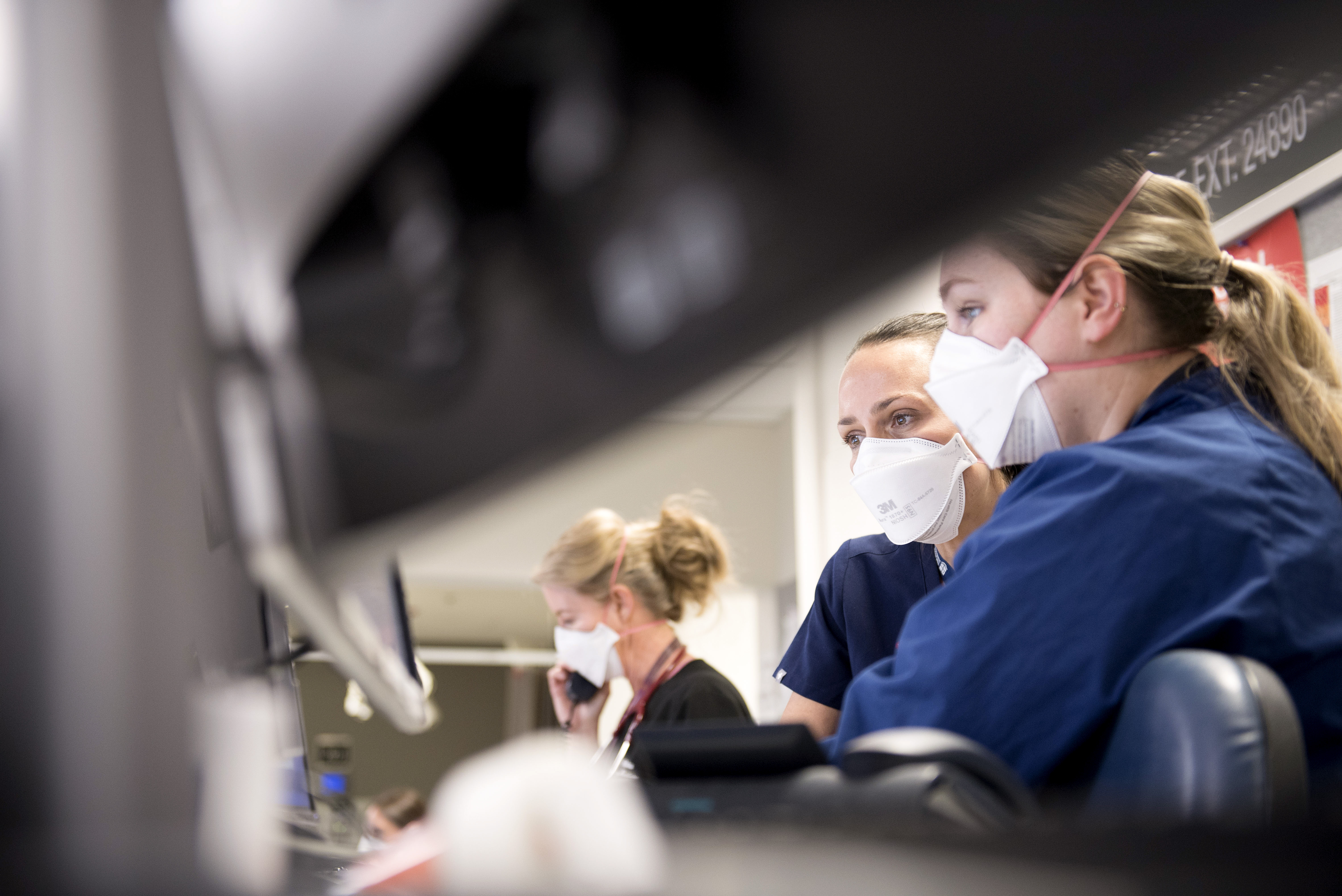
We want to make the healthcare system better for patients and clinicians alike. We want to ensure that our work supports environmental sustainability. Making it simpler, smarter, more equitable and sustainable requires co-design, commitment, and innovation. Using data and technology, we’re aiming to reduce wait times, innovate in the workforce, and ensure patients receive the care they value, in the right place, at the right time.
Our projects
-
Community health and wellbeing worker
Disadvantaged communities often face barriers to healthcare, resulting in poor preventive care and high hospital admission rates. Our Community Health and Wellbeing Worker project addresses this by co-designing a proactive, Victoria-specific model of care. By embedding a trusted community member to visit families in the community, we may be able to increase cancer screening and vaccination rates, improve attendance at GP well health checks, and reduce emergency department presentations. Partnering with Wyndham City Council and Mercy Health, we are bridging the gap between reactive treatment and long-term prevention.
-
Person Centred Value Based Healthcare
Healthcare can fail to align with individual patient values and preferences, leading to unnecessary or unwanted care. Our project is evaluating the expanded use of a unique digital tool at the Royal Melbourne Hospital (RMH). This tool is designed to understand what really matters most to patients, ensuring treatment decisions align with patient goals, values and preferences. By studying its implementation across clinics like Renal, Respiratory and Dermatology, , we aim to measure impact and shift care away from standardised treatment toward a personalised, value-based model that improves outcomes and resource use. We will also test the feasibility of using such tools in the hospital intensive care unit and of implementing a nurse-led approach to person centred value-based care at RMH .
-
WECARE
Australia’s hospitals are stretched. With staff shortages, frontline healthcare workers are spending too much time on paperwork—time stolen directly from patient care. Now, the solution might be found in data and co-design. The University of Melbourne’s WECARE project is piloting computer simulation to create a digital blueprint of hospital ward operations. This isn't about replacing people; it's about using smart modelling to pinpoint and eliminate administrative burden, boosting staff satisfaction, and delivering higher-quality patient care.
From insight to impact
Real change starts with listening. We started our project by holding more than 60 consultations with stakeholders across the government, regulatory groups, academics, consumers and clinicians with community and primary health services. These conversations crystallised three clear priorities, which now form the foundation of our projects.
Person-centred, value-based care
Our stakeholders discussed shifting our health system in a way that achieves overall health outcomes aligned with a patient's wants within available resources in the system. Person-centred value-based care (PCVB) adds the perspective of the values, goals, and treatment preferences of the individual. This means we measure and track outcomes differently, introduce different funding models that reward these outcomes, and embed the principles of value and equity.

Bottlenecks
Throughout our consultations, we heard about many bottlenecks in the healthcare system. These included wait times to access aged care, dental care and disability supports, as well as long waiting times on outpatient clinic lists, and a lack of active management of the lists. Patients can languish without any support, and resources can be wasted on low-value care. Our goal is to use data, technology, and systems thinking to improve experiences for patients and clinicians alike.
Workforce
Australia is running short on healthcare professionals. Our discussions and the Australian Government's recent Scope of Practice Review show that many skilled workers aren't allowed to use their full set of skills and can spend their days doing tasks that do not enhance patient care, leading to dissatisfaction and burnout. Australia is also looking at new roles in healthcare but evidence for their effectiveness is embryonic. Our goal is to reimagine the health workforce so professionals can use their talents fully, leading to better care for patients and more rewarding careers for clinicians.
Conversations to collaborations
Our Impact Area has an ambitious goal, to re-design healthcare systems to be more efficient, connected and patient centred. When we began consulting with consumers, academics, government and industry stakeholders, we realised the scale of our challenge. These conversations informed a series of Radical Ideas forums in March 2025. There, more than160 people – including consumers, clinicians, insurers and funders– helped us set three priorities:
- Person-centred value-based care
- Bottlenecks
- Workforce
Professors Harriet Hiscock, and Christobel Saunders, as well as Associate Professors Cate Kelly and Stephanie Best, are leading this work. By collaborating with the healthcare community, they’re working to improve healthcare on a disease agnostic, systems level.
Programs are aiming to alleviate workforce burnout, change the nature of our workforce, and to provide connected and high-value care. All the steps taken so far have been the result of careful coordination, and strong connection to our partners across the University; and with industry and community partners like the Royal Melbourne Hospital, Western Health, Department of Health, Community Hubs Australia, and the North Western Melbourne Primary Health Network. As we refine this Impact Area in the months and years ahead, we'll be focusing our efforts into a coherent program of work that transforms our health system into an accessible, efficient, and valuable ecosystem for those that work and engage with it.