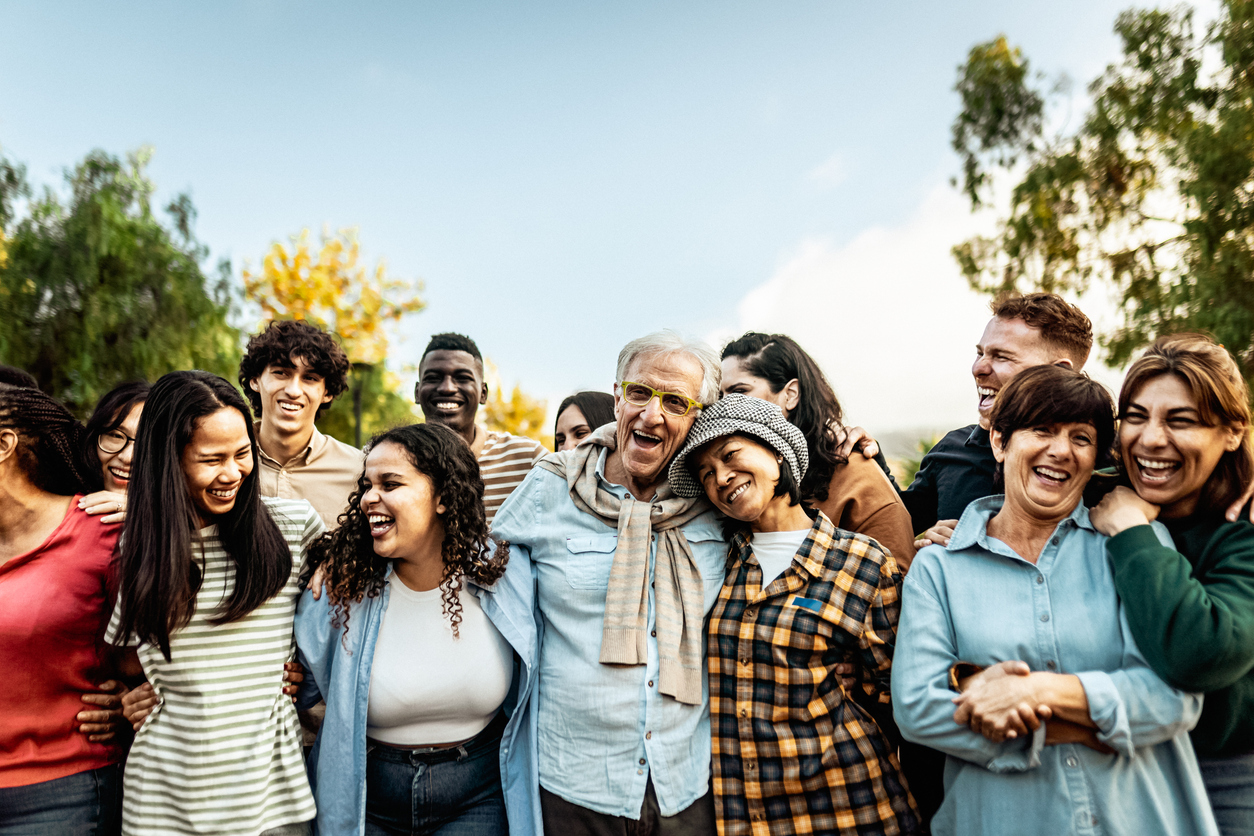
What is the Community Health and Wellbeing Worker?
A co-designed outreach model built on three foundations
A new workforce role
The CHWW is a dedicated community-facing worker who builds relationships with local residents, connects people to existing health and social care services, and bridges the gap between communities and the primary care system. This model has seen great success internationally, and we're seeing how this model can benefit communities in Australia.

Grounding in community
We co-designed this role with residents, community organisations and clinicians in Melbourne's west, starting in the Wyndham Vale area. Drawing on the international benchmarks from Westminster and Cornwall, the role is built around local needs, local trust and local knowledge, instead of a top-down service model.

Proactive engagement
Currently, the health system waits for people to arrive. The CHWW model turns that around. This embedded community worker will reach people where they are. Other models have reported improvements in health literacy, increased uptake of cancer screenings, vaccinations, and GP health checks, and reduced preventable emergency department presentations that place pressure on the entire system.
How we co-designed this model
In early 2026, we brought together 20–25 community hub leads, health providers, lived-experience representatives and local partners in Wyndham City across three co-design workshops. The goal was to ensure the internationally tested CHWW model was genuinely fit for the Australian context, and could be shaped by the people it is designed to serve. The outcome: Strong consensus for a community-led, relationship-based model that bridges health and social care for underserved households — with the governance, training and evaluation framework needed to pilot it rigorously and scale it with confidence.
-
We worked with participants to define who the CHWW should reach, what characteristics the worker should have, and what their day-to-day priorities should look like. The group identified disengaged and isolated households, culturally and linguistically diverse communities, new arrivals, elderly residents and those facing transport barriers as priority beneficiaries. Participants emphasised that the worker must be local, trusted, culturally aware and a strong listener who puts family priorities first.
-
This workshop focused on how the model would operate in practice. Participants defined governance structures, supervision arrangements, training requirements and risk management protocols. This included home visit safety, data privacy and staff wellbeing. A key outcome was consensus that CHWWs should be embedded in trusted community hubs, operating within a clearly defined scope to complement, rather than duplicate, existing services.
-
Our final workshop turned to evaluation. Participants agreed on a staged implementation approach, with success measured across engagement, referrals, and preventive care uptake. We covered vaccinations, cancer screenings and qualitative impact stories from the community. The group emphasised that the model should start focused, prove its value, and expand from there.
Why this matters
Too many people only encounter the health system when they are already unwell. For vulnerable communities facing language barriers, cultural mistrust of Western medicine, or the logistical challenges of navigating a complex system, preventive care like cancer screenings, vaccinations and GP health checks can feel out of reach. The result is delayed diagnoses, avoidable hospital admissions and a health system under pressure from conditions that could have been caught earlier. Inspired by work from Brazil and proven across multiple sites in the United Kingdom, the Community Health and Wellbeing Worker model offers a practical, evidence-backed solution: a trusted, locally embedded worker who visits households, builds relationships and connects people to the care that already exists before a health crisis, be it a natural disaster or a pandemic that forces their hand.

What we're changing
Vulnerable communities face significant barriers accessing the preventive health and social care services that could keep them well. The system currently relies on people finding their own way in, and for many, that journey is blocked by language, cultural distance, limited health literacy or simply not knowing what is available.
We're redesigning with residents, community organisations and clinicians in the Wyndham area to develop a Community Health and Wellbeing Worker model. We completed co-design with this community to get a good understanding of their needs, ensuring that we built local trust, listened to local knowledge and addressed a local need.
Drawing on proven international benchmarks and the existing expertise of partners including IPC Health, Mercy Health, the North Western Melbourne Primary Health Network, Community Hubs Australia and Wyndham City Council, this role can add genuine value without duplicating existing services.
The goal is a rigorously evaluated, community-endorsed pilot that demonstrates measurable improvements in health literacy, preventive care uptake and long-term population health outcomes, and that makes the case for scaling this model across Victoria and beyond.
Our experts
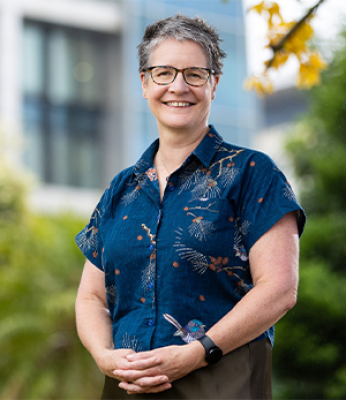
Associate Professor Stephanie Best
A/Prof Best leads the Melbourne Implementation Research Group at the School of Health Sciences. Her expertise in translating complex health interventions into real-world practice is central to the CHWW project, ensuring the co-designed model is rigorously developed, embedded in evidence and built for scale.
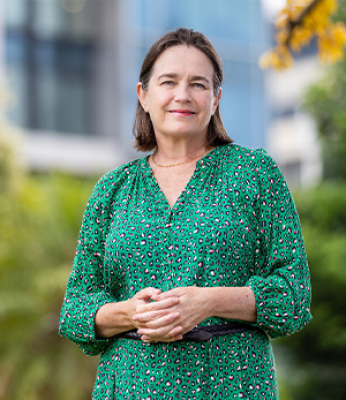
Professor Harriet Hiscock
As Academic Lead for the Transforming Healthcare Impact Area, Professor Hiscock brings deep expertise in keeping children out of hospital, reducing low-value care and integrating health, social and education services for vulnerable families. Her focus on real-world translation and community-facing implementation directly shapes the CHWW project's ambition to reach children and families before a health crisis takes hold.