
What is Person-Centred Value-Based Healthcare?
An approach that measures healthcare success by what matters most to the individual patient, rather than the volume of treatments provided.

What matters to each patient
We are supporting the expansion of the use of the PerEmpo digital tool in clinics and hospitals. Tools like this help with structured conversations between patients and clinicians to identify what matters to the patient. Instead of assuming all patients want the same treatment, this tool helps doctors understand each person's individual goals and preferences, and ensures medical decisions reflect what the patient values.

Measuring the difference it makes
We are conducting rigorous evaluations across diverse outpatient clinics including renal, respiratory and dermatology services to measure the impact of value-based care. By comparing patient outcomes, satisfaction and healthcare costs between patients in the clinics who haven’t used the tool and those who have, we can generate evidence to inform if value-based care improves outcomes and reduces waste.

Embedding into everyday practice
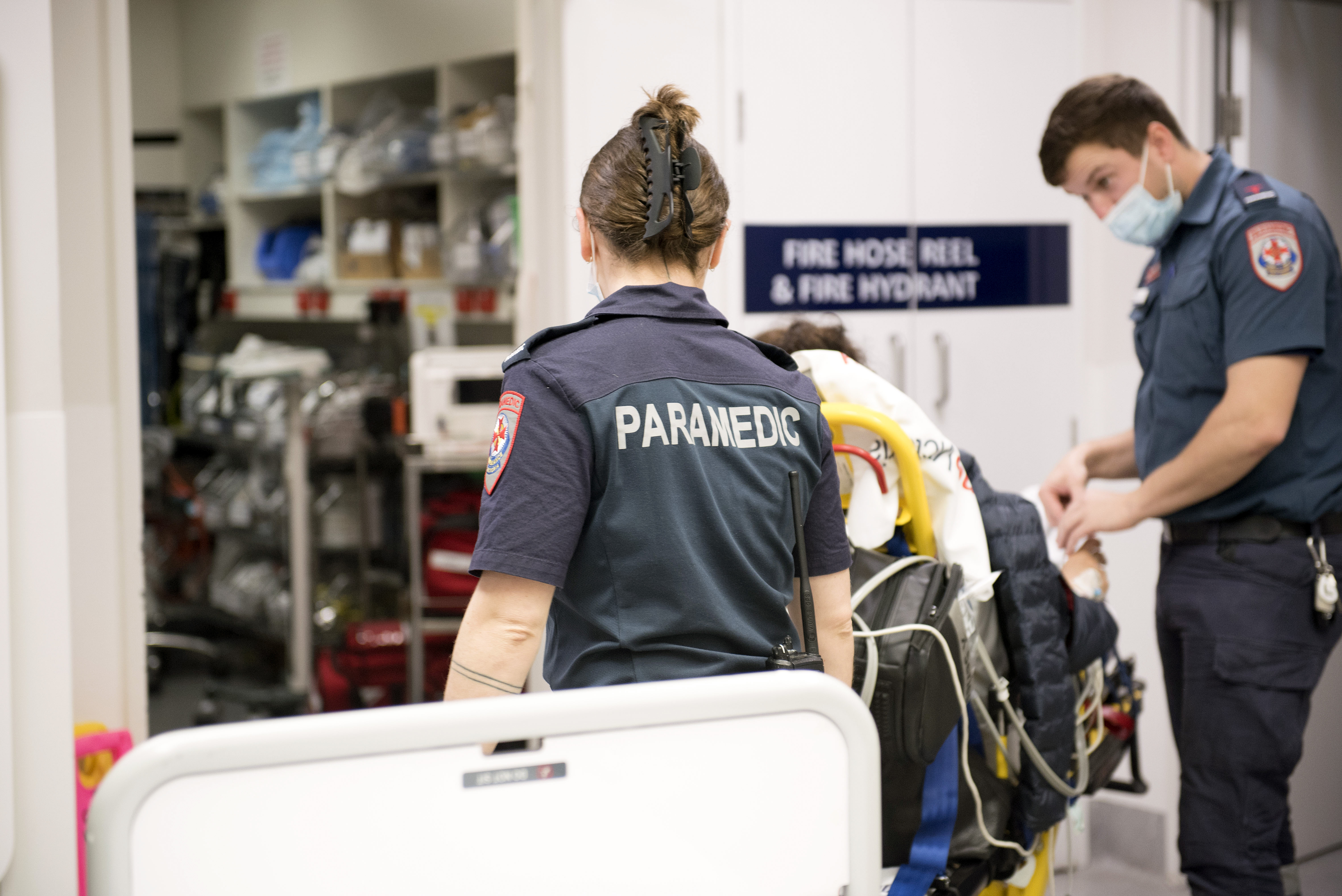
We are exploring how value-based care can work in high-pressure environments like intensive care units. We’re investigating the added value nurses could bring with this approach as part of their everyday work. The goal is to make person-centred care business as usual, not an add-on so that every patient benefits regardless of which ward or clinic they visit.
Why this matters
Healthcare systems often deliver care based on what clinicians think patients need, not what patients actually want. This mismatch leads to unnecessary treatments, unwanted procedures and wasted resources. A patient might undergo dialysis they never wanted, or receive aggressive interventions that conflict with their values and goals. Traditional measures of care quality capture how satisfied patients feel or how they perceive their health, but they miss the crucial question: did we deliver what this person valued? When care is not aligned with patient values, people suffer harm, satisfaction drops, costs rise, and the healthcare system becomes less efficient. This project addresses that failure by using digital tools to facilitate shared decision-making between a clinician and the patient. By understanding what matters most to each patient and aligning treatment with those values, we can deliver care that is both more ethical and more efficient. Patients can get what they actually want, clinicians feel empowered to deliver compassionate care, and the health system saves money by avoiding low-value treatments.
What we're changing
Traditional healthcare relies on standardised protocols and clinical guidelines that assume one approach works for everyone. Patients are not always asked what they truly value or what their goals are, and clinicians have limited tools to facilitate these conversations. The result is unnecessary tests, unwanted interventions, and treatments that conflict with patient preferences. We call this low-value care.
Currently, there is no systematic, evidence-based approach to measure whether care is actually aligned with what patients want.
Our project is supporting the expansion of the PerEmpo digital tool across Royal Melbourne Hospital clinics and evaluating its impact. We are working with renal, respiratory and dermatology services to measure whether value-based care improves patient choice, reduces unwanted treatments and saves money.
We are also exploring how this approach can work in intensive care units and testing whether nurses can lead person-centred conversations as part of their everyday role.
Our partners include the hospital, health economists, implementation scientists, consumer groups and patients themselves. Success means evidence that value-based care improves outcomes and reduces costs, paving the way for hospital-wide implementation and ultimately system-wide adoption.
Our experts

Professor Christobel Saunders AO
Professor Saunders brings a systems-level perspective and a deep passion for value-based care to this project. Her experience designing and implementing programmes that connect patients to the right care at the right time directly informs how our Person Centred Value Based Health Care model is shaped to improve the type of care a patient receives with what they value most informing their treatment plan.

Associate Professor Stephanie Best
A/Prof Best leads the Melbourne Implementation Research Group at the School of Health Sciences. She is also leading clinicians in the evaluation of ICU and nurse-led studies for this project. Her expertise in translating complex health interventions into real-world practice is central to ensuring this project is embedded in evidence and built for scale.
Our partners