"Learning to apply systemic, trauma-informed, and person-centred approaches in practice has helped me reframe how I understand clients and the structural issues that affect them.”
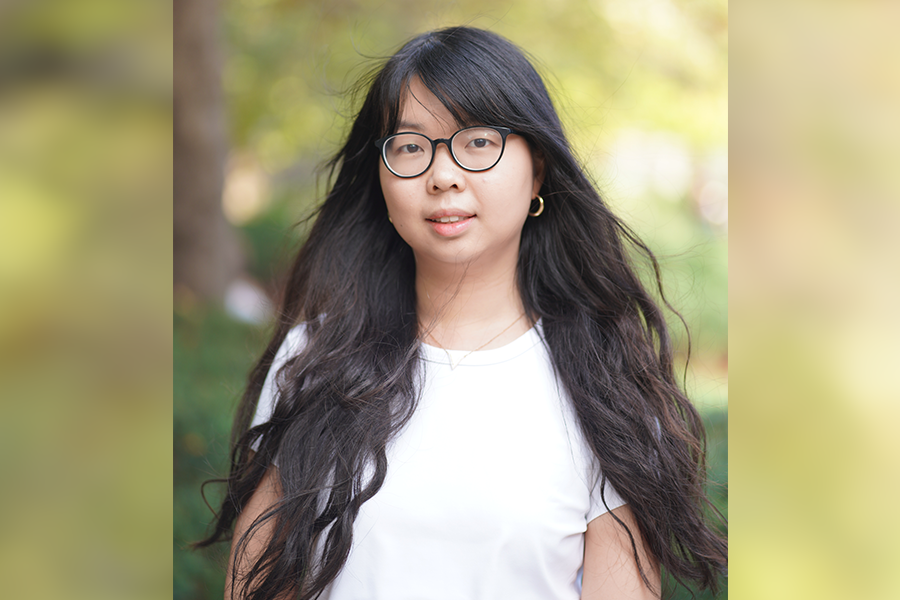
Meet Candice
Candice started her Master of Social Work in 2023, after completing the Bachelor of Arts (Major: Psychology) in 2022, both at the University of Melbourne. She was born in Beijing, China and moved to Melbourne, Australia in high school.
She was awarded the Melbourne Mobility Award in 2022 and 2025.
-
I decided to continue studying at the University of Melbourne after my undergraduate studies because I really enjoyed my experience and already felt comfortable with the academic environment and support systems. More importantly, UniMelb offered broader opportunities such as the international exchange program.
As for why I chose the Master of Social Work: I attended Open Day when I was feeling a little lost during my undergraduate studies. This turned out to be so valuable because I was introduced to the world of social work by some wonderful staff and students. After doing further research, I realised that this was exactly the direction I wanted to pursue.
The Master of Social Work appealed to me because it offers a strong theoretical foundation and practical skills through two field education placements. These placements give students the chance to work directly with individuals, families, and communities.
-
I’ve found it interesting to learn how policy, theory, and practice intersect in real-world contexts. For example, learning to apply systemic, trauma-informed, and person-centred approaches in practice has helped me reframe how I understand clients and the structural issues that affect them.
The clinical placements and work integrated learning opportunities have been especially valuable. I’ve had placements in school and community health settings, and these experiences helped me connect theory to practice and develop confidence in real-world scenarios.
One of the most challenging aspects has been managing the emotional demands of placements, especially when working with complex cases or clients in distress, but those experiences have also been deeply meaningful.Another highlight of my studies has been the opportunity to go on exchange at the University of Michigan, which broadened my perspective on international social work practice. Studying in the US allowed me to explore comparative policy and service systems and learn from a diverse cohort of students and faculty. It has been a unique academic and cultural experience that deepened my understanding of global social justice issues.
-
I want to work as a social working in a school wellbeing team or a youth mental health organisation, supporting young people and their families to navigate challenges both within and beyond the classroom.
The Master of Social Work has given me the theoretical knowledge and practical skills needed for my future career path. Subjects like ‘Lifespan Development’ helped me understand the different developmental stages children and adolescents go through, while ‘Engaging with Families’ equipped me with approaches to work collaboratively with caregivers, to understand family dynamics, and to apply strengths-based and trauma-informed practices.
-
For future students, especially international students, my biggest piece of advice is to embrace the learning journey and not be afraid to ask for support.
The University of Melbourne has a strong academic support network, including services in academic skills, counselling and mental health, as well as a vibrant range of student clubs and societies. These resources really help you stay balanced, build friendships, and feel part of the university community. It’s normal to feel overwhelmed at first, especially if you’re studying in a new country or in a different academic system, but you’re not alone, your peers, tutors, and field educators are there to guide you.
For those hesitant about pursuing a health-related program because they don’t come from a science background, I want to reassure you that social work draws from a wide range of disciplines, including psychology, sociology, public health and policy, not just science. I came from a non-science background myself, and I found that the course was designed to be accessible while still challenging. The key is being open to learning and staying reflective about your growth.