“Being able to apply what we learn in class directly to placement experiences has made the content feel more meaningful and relevant. It’s exciting seeing how the content we learn in class translates into real-life clinical practice.”
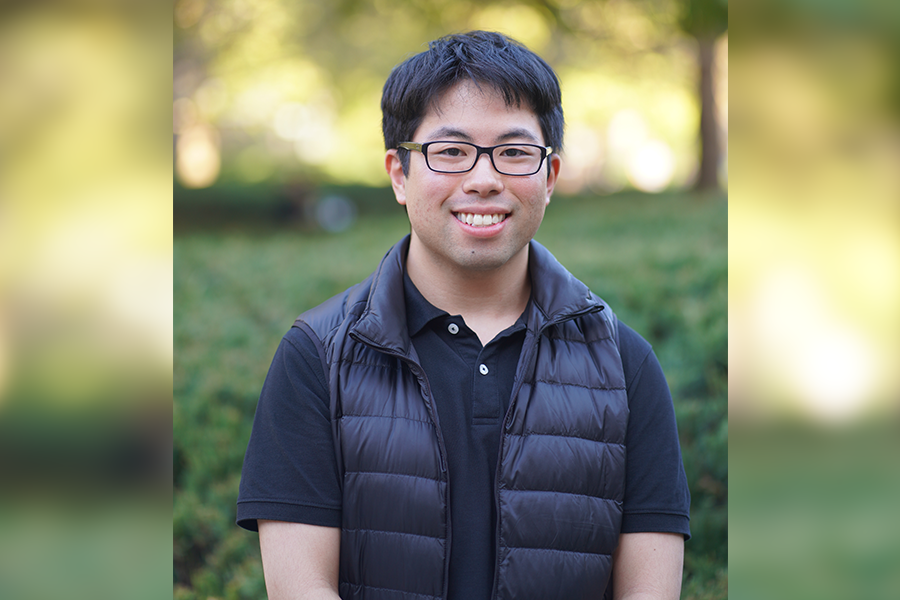
Meet Andy
Andy started his Master of Speech Pathology in 2024, after completing the Bachelor of Arts (Major: Psychology) in 2023, both at the University of Melbourne. He was born and raised in Melbourne, Australia.
-
Growing up, I knew I had my heart set out to do something in the medical field. Maybe it was from watching a whole bunch of medical shows growing up (like Grey’s Anatomy), but I felt drawn to the hospital setting and a career that allowed me to help others.
Speech Pathology stood out to me because it combined healthcare with human connection. While I wasn’t keen on going through the many years of medical school, I still wanted a rewarding and meaningful career in healthcare. I found Speech Pathology especially appealing because one of its areas of focus is safe swallowing and eating. As someone who is a big foodie and runs a ‘foodstagram’, the idea of helping others eat and swallow safely really resonated with me.
The Master of Speech Pathology at the University of Melbourne was my top choice. Not only is the degree fully accredited, it’s also very well regarded, and close to home. I knew that this masters would be able to offer me amazing placement experiences (UniMelb even has an affiliated speech pathology clinic!) to become a skilled and compassionate clinician.
-
What I like most about the Master of Speech Pathology is the support we get.
We are surrounded by many well-regarded researchers in the field and some of the most dedicated lecturers I’ve ever had. I really enjoyed the coursework on swallowing (‘dysphagia’). I particularly loved the hands-on workshops where we experimented with thickening food and fluids. It was fun and eye-opening and really deepened my understanding of the patient experience.
I’ve found linguistics my most challenging subject so far. However, with the guidance of my lecturer and the support of my classmates, I became much more confident and proficient over time.
Speaking of classmates, the Speech Pathology cohort is amazing. We are a group of passionate and driven students. I’ve formed some great, lifelong friendships, and I am so glad to be studying alongside them. I am part of the Speech Pathology Students’ Society and working with the committee has been such a joy. Everyone is kind, welcoming and motivated. It has been wonderful to collaborate on events and initiatives while building strong friendships and professional connections.
Throughout the masters, I’ve developed a range of clinical and communication skills, including how to conduct cranial nerve assessments, bedside swallowing evaluations, and identify speech sound delays in children. I’m really grateful that the University of Melbourne has provided me with so many different placement experiences, such as hospitals, schools, and private practice.
Additionally, the balance between theoretical and practical learning is excellent. Being able to apply what we learn in class directly to placement experiences has made the content feel more meaningful and relevant. It’s exciting seeing how the content we learn in class translates into real-life clinical practice.
A placement I particularly loved was my rural placement in Shepparton. I completed it alongside four of my peers (who luckily were my close friends!). We lived together, went to placement together, and supported each other. It was such a fun and memorable experience that also helped me grow more independent. There are also many opportunities to do placements abroad. While I haven’t participated in one myself yet, several of my friends have, and they described it as a truly rewarding and eye-opening experience.
Finally, I’ve also really enjoyed getting to know the teaching staff. We definitely have our favourites. The staff are incredibly approachable and supportive. Whether we have questions about coursework or just want to have a chat, they are always happy to help.
-
My future career goal is to specialise in managing dysphagia in an acute inpatient or outpatient setting at a major metropolitan hospital in Melbourne.
The Master of Speech Pathology has provided me with many opportunities to explore different pathways within speech pathology through diverse placements. For example, some of my peers have had placements in mental health outpatient services, intensive stuttering programs, and rehabilitation hospitals. These varied experiences have given us insight into the wide range of roles a speech pathologist can take on, and I’m so grateful for the exposure we’ve had. It has helped me feel confident in pursuing a career path that aligns with my strengths and interests.
I was lucky to have my first placement be a hospital placement, and it was such an incredible experience I still think about today. My hospital placement really confirmed my interest in working in a medical setting and supporting patients with complex swallowing needs.
-
Based on what I’ve observed, my advice would be to try and expand your social circle as much as you can because this can enrich your university experience. While it’s comforting to stick with people you are familiar with, you never know who you might meet!
For students who are hesitant about pursuing a health program because they don’t come from a science background, my advice is: don’t let fear or doubt hold you back from doing something you are passionate about. I actually did several criminology subjects during my undergraduate degree, which isn’t health-related at all. But I was still able to carry over valuable skills like critical thinking, structured writing, and being able to build an argument – all of which are useful in healthcare.
If you’re truly interested in the field you choose, you’ll enjoy what you’re learning, and studying will feel meaningful rather than like a chore. Passion and commitment can take you a long way.