What is Prevent2Thrive?
A national program to stop and reverse type 2 diabetes at its earliest stage, reaching the communities most affected and least served, so every Australian can thrive.

Detect early
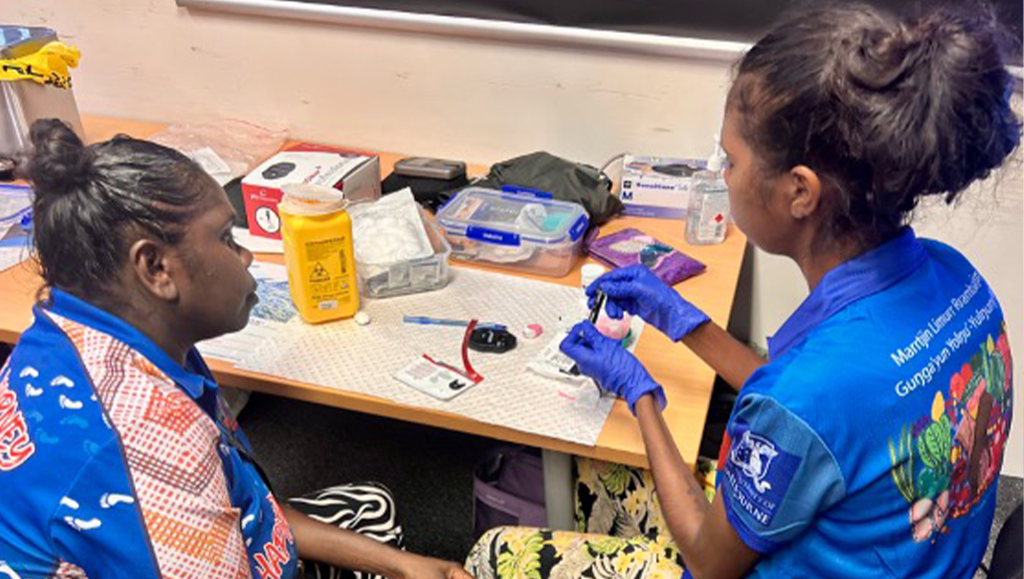
Two million Australians have pre-diabetes and don’t know it. Prevent2Thrive aims to bring a simple finger-prick test (HbA1C- fast, same-day, no fasting), into the places people already trust (e.g clinics, pharmacies, at home) to detect risk before symptoms appear, and early enough to turn it around.

Prevent together
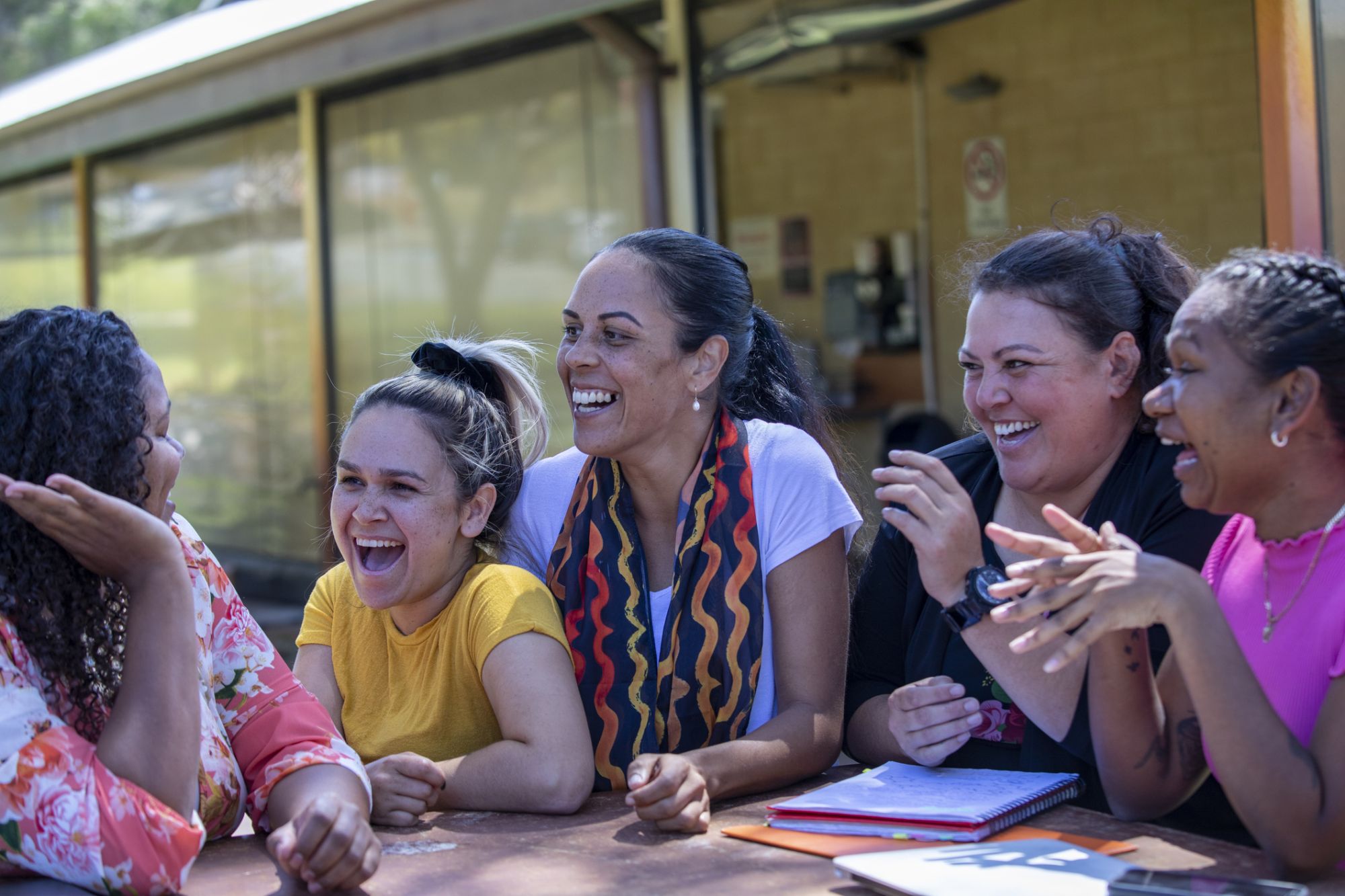
Detection alone isn't enough, it needs to be paired with action. Across rural, regional and remote Australia, we are working hand in hand with local communities to co-design culturally safe, community-led lifestyle prevention programs that help people turn their risk around and stop the progression to type 2 diabetes, close to home.

Change the system
Real prevention can’t rest on individual willpower alone. Prevent2Thrive will work on new ways to screen for pre-diabetes, develop at-home testing and smart digital tools, launch public awareness campaigns, and work with primary health care services, communities and government to make early detection and lifestyle support routine, funded and scalable across Australia.
Why this matters
Type 2 diabetes isn’t inevitable. It’s largely preventable, and in its early stages, reversible. Yet 2 million Australians are living with pre-diabetes, most of them unaware, and the burden falls hardest on the communities the system serves least. Aboriginal and Torres Strait Islander people face around three times the risk, and when diabetes is missed, the consequences are severe: heart attack and stroke, kidney failure, blindness and amputation. The cost to individuals, families, the health system, and the nation is enormous: around $17.6 billion a year. The evidence is clear and the partnerships are ready. Prevent2Thrive is how we finally act.
What we're changing
Australia has no systematic way to catch diabetes early. There’s no national screening program, and no reliable pathway from “you’re at risk” to “here’s your support.” So people slip through, and the ones who fall furthest are the same ones carrying the heaviest burden: Aboriginal and Torres Strait Islander communities, culturally and linguistically diverse and refugee populations, and people in regional and remote Australia. Evidence-based programs like Diabetes Victoria’s LIFE! exist and work, but they rely on referral systems that are under-resourced. The problem is not whether prevention works. The problem is that the front door- early detection- has never been a funding priority.
Prevent2Thrive works across eight interconnected pillars: public awareness, screening and early detection, lifestyle support, community engagement, digital innovation, collaborative healthcare, health economics and government leadership.
We have designed a whole-of-system model that closes the gap between risk and action. Australia’s unique diabetes innovation hub - ACADI (Australian Centre for Accelerating Diabetes Innovations) is collaborating with a range of partners, including Diabetes Victoria, the Peter Doherty Institute's Walking Together program in Galiwin’ku (Marrtjin Limurr Rrambaŋin Guŋga’yun Yolŋu’-Yulŋuny Mala), as well as community partners in Shepparton and Dandenong.
Our leadership team
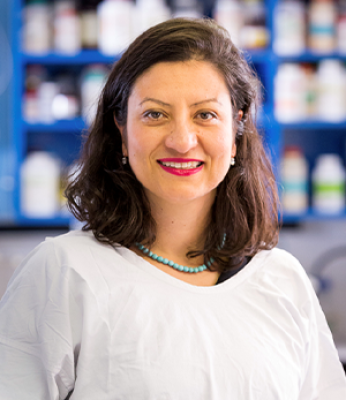
Professor Elif Ekinci
Professor Ekinci heads the Department of Medicine at the University of Melbourne and leads diabetes research at Austin Health. As inaugural Director of ACADI — Australia's national diabetes research centre — she brings the partnerships, infrastructure and translational expertise to drive Prevent2Thrive from pilot to national scale.

Professor Glen Noonan
Professor Glen Noonan is the Chief Executive Officer of Diabetes Victoria, the peak consumer body for those affected by or at risk of diabetes. He is also an Honorary Enterprise Professor at The University of Melbourne. Glen brings more than 35 years’ experience across the health, research and corporate sectors. He leads Diabetes Victoria’s work across advocacy, policy, prevention, health services, community programs, research and philanthropy, with a strong focus on translating evidence and innovation into improved health outcomes. Glen contributes to Prevent2Thrive’s partnership strategy, helping ensure the program is grounded in the lived experience and advocacy priorities of people affected by diabetes.

Professor Beverley-Ann Biggs
Professor Biggs leads a multidisciplinary group spanning infectious diseases, maternal and child health, Indigenous global health, with extensive experience in remote Indigenous communities in Northeast Arnhem Land, Vietnam and Bangladesh, and refugee health research programs in Australia.

Dr Sarah Hanieh
Dr Hanieh brings expertise in nutrition, digital health and creative health communication. Her work translating complex health information into accessible, culturally resonant tools directly supports Prevent2Thrive's community engagement and digital prevention strategies.

Jenna Van Der-Velden
Jenna Van Der Velden is Head of Prevention at Diabetes Victoria, leading the delivery of a statewide type 2 diabetes prevention program - Life!. She brings expertise in chronic disease prevention, policy and program delivery, ensuring Prevent2Thrive builds on proven prevention approaches and reaches Victorians most at risk.
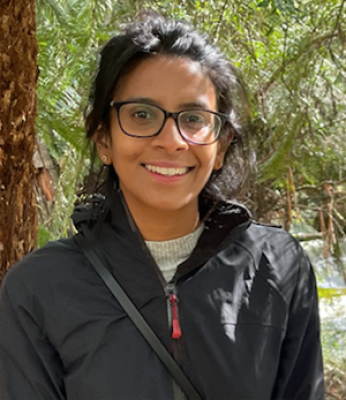
Dr Hasthi Dissanayake
Dr Dissanayake brings expertise in cardiometabolic physiology and community-led chronic disease prevention research. Her work co-designing and evaluating culturally safe lifestyle programs in remote Aboriginal communities directly supports Prevent2Thrive's approach to turning diabetes risk into sustained, community-owned action.

Mariam Hachem
Mariam Hachem is Trial Manager for the FlashGM Study, Australia's first randomised controlled, multi-centre clinical trial for Indigenous Australians with type 2 diabetes using flash glucose monitoring technology. Her expertise spans clinical trial management, Indigenous health research and diabetes care delivery.
Our partners

ACADI

Diabetes Victoria