What is Healthy Housing?
The Healthy Housing initiative is looking to address three key problems

A preventable health crisis
Cold, damp, and mould-affected homes are directly linked to respiratory illness, cardiovascular disease, anxiety, and depression. A significant proportion of Australia's chronic disease burden is tied to the conditions people live in, and these conditions are largely preventable.

Housing inequity
Those most likely to be living in homes that are poor quality, insecure or unaffordable are those who also face other disadvantages: low-income renters, residents of social housing, First Nations communities, people with disability and people from culturally diverse backgrounds. Unhealthy housing deepens inequality and compounds health disadvantage across generations.

Economic burden
Mould exposure alone is modelled to cost Australia $2.82 billion in healthcare over 20 years, and $4.21 billion in lost productivity. Investing in healthy housing standards now reduces hospital admissions, lowers health system costs, and supports a more productive workforce.
Our experts on Health Desk
Health Desk is our University's health research explainer YouTube series. In this episode, our healthy housing and public health experts identify the areas of housing that need the most attention. They also explore the science behind how the housing crisis impacts us all mentally, environmentally, and physically.
Why this matters
We spend 70% of our lives in our homes. The standard of the spaces we inhabit shapes our health every hour of every day. Yet Australia lacks consistent national, health-led standards for residential environments. This absence leaves critical factors like indoor temperature, air quality and moisture control unaddressed in policy. Healthy Housing is working to make the invisible visible. We're working to put a cost on poor housing, a standard on healthy homes, and a plan on policymakers' desks. The window for change is now. Building codes are under review, rental reform is active, and community awareness of mould and indoor air quality has never been higher.
What we're changing
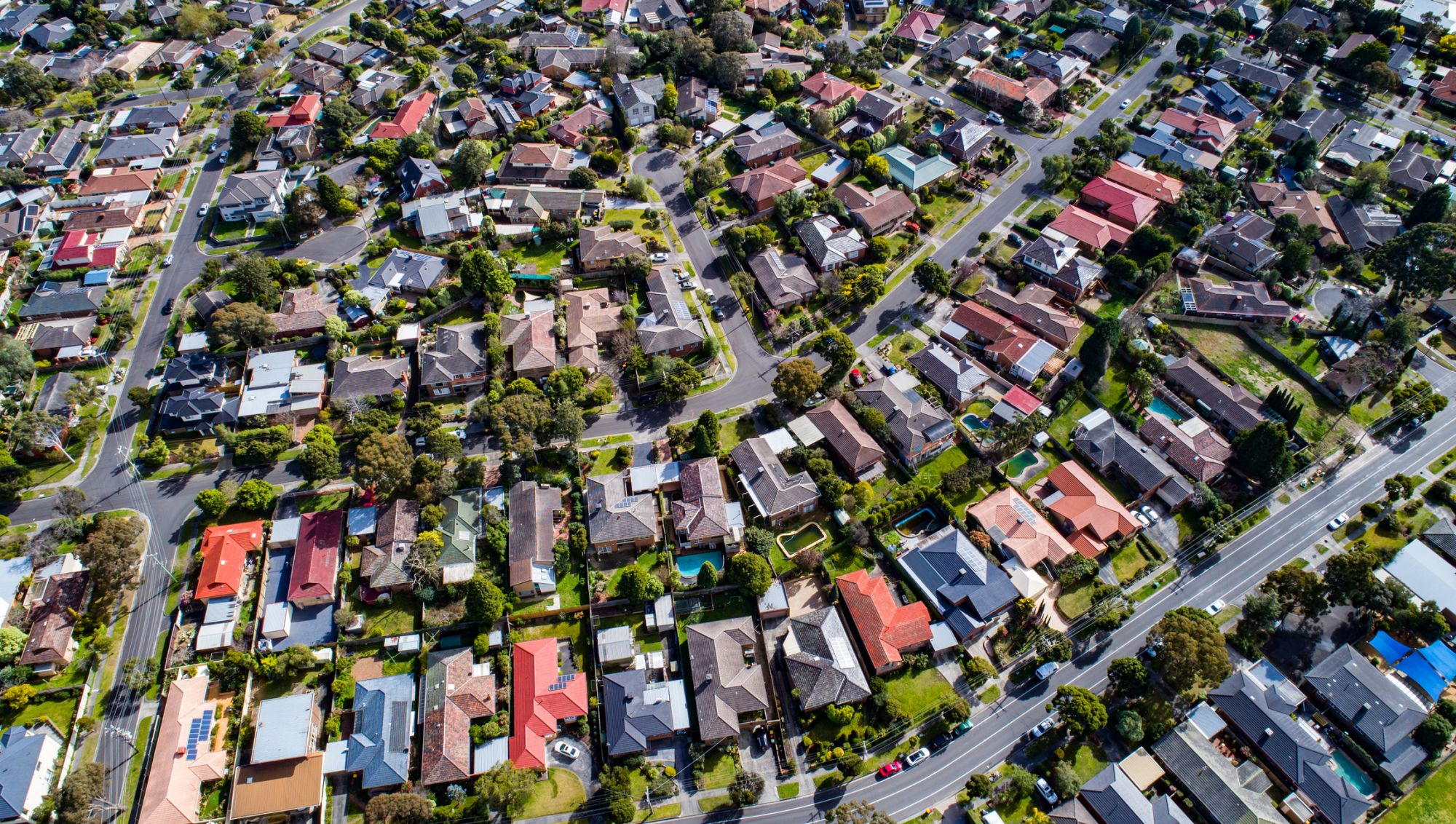
Currently, there are 5 million Australian homes exposed to extreme temperatures, dampness, mould, and poor ventilation. Current building policy treats housing as a financial issue rather than a health issue, and as a result, there are no nationwide health standards for indoor spaces.
To fix this, we're developing a comprehensive Healthy Housing Handbook to establish clear safety benchmarks for indoor temperature, air quality, and moisture control for policymakers.
We are bringing together public health experts, architects, builders, and consumer advocates to push for healthier rental standards and construction codes. By translating rigorous research into practical policy, we can prevent chronic illness, ease the burden on our hospitals, and ensure a fairer, healthier environment for all Australians.
Our experts

Professor Rebecca Bentley
Professor Rebecca Bentley is the Director of the NHMRC Centre of Research Excellence in Healthy Housing in the Melbourne School of Population and Global Health and leads the Healthy Housing initiative.

Dr Kate Mason
Dr Kate Mason is a Senior Research Fellow in the Centre for Health Policy at the Melbourne School of Population and Global Health, and leads research examining the impact of housing insecurity and unaffordability on health inequalities within the Healthy Housing initiative.

Dr Ang Li
Dr Ang Li is a Senior Research Fellow in the Melbourne School of Population and Global Health, and leads research investigating the intersection of housing, social wellbeing, and climate change within the Healthy Housing initiative