
How will we prevent heart attacks, heart failures, and cardiovascular death?
This program tackles heart disease by targeting the inflammation that causes heart attacks and, if a heart attack happens, prevents heart damage, using three interconnected approaches.

Stabilising plaques before they rupture
Over a lifetime, the walls of the blood vessels in our body can become damaged. Inflammation develops at the damaged sites, leading to build-up of fat, cholesterol and inflammatory cells inside the blood vessel wall. We call these fatty, inflamed clumps “atherosclerotic plaques”. If these plaques break apart (rupture), a blood clot can then form inside the vessel and block the flow of blood. This can result in a heart attack or a stroke. Our program aims to create vaccines and anti-inflammatory treatments that can stabilise the plaque so it avoids rupture in the first place.

Protecting the heart during attack
During a heart attack, part of the heart loses access to blood and oxygen. Cardiologists try to restore blood flow as soon as possible by clearing the blockage. But when the blood rushes back in, the body’s immune system can overreact against the oxygen-deprived cells. This can cause inflammation that damages the heart muscle further, leading to heart failure. We are developing anti-inflammatory therapies that aim to reduce this damage.

Reaching remote and Indigenous communities
Treatments only work if people can actually get them. For the many Australians in remote towns and in Indigenous communities, the nearest hospital can be hours away. This distance can prevent patients from accessing emergency, life-saving heart care in time. To bridge this gap, we are working to make our treatments available as nasal sprays that are easy to take. This way, we can protect people’s hearts no matter how far they live from a large hospital.
Why this matters
Heart attacks and strokes remain the leading causes of death and disability worldwide, yet most are preventable. The underlying disease, atherosclerosis, develops silently over decades as plaques accumulate in arteries. When these plaques rupture, the consequences can be catastrophic. Even heart attack survivors that receive the best possible care often develop heart failure from the currently untreatable inflammatory damage their hearts suffer during a heart attack.

What we're changing
Current treatments substantially reduce cardiovascular risk, but many people still experience heart attacks, plaque rupture, and inflammatory damage despite receiving recommended care.
Our program addresses these remaining gaps by targeting the inflammation that contributes to plaque rupture and heart damage after a heart attack. Success means preventing heart attacks before they start, reducing heart failure in survivors, and developing accessible treatment options including nasal sprays, that could extend the reach of these innovations to communities where specialist care is hard to access, helping to close the gap in health outcomes between urban and remote communities.
Our program of work is being carried out under the Melbourne Medical School's Baker Department of Cardiometabolic Health. It is being developed in partnership with the Baker Heart and Diabetes Institute, the Royal Melbourne Hospital, the Alfred Hospital and industry partners.
Our experts
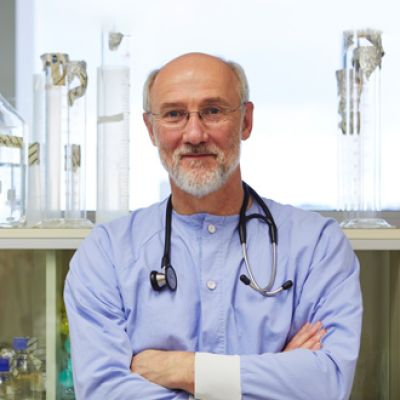
Professor Karlheinz Peter
Professor Karlheinz Peter is a scientist and laboratory head at the Baker Heart and Diabetes Institute, and co-director of the Centre for Cardiometabolic mRNA Therapy. He is an interventional cardiologist at the Alfred Hospital and holds an NHMRC Investigator Fellowship. His research focuses on the cellular mechanisms of coronary artery disease, atherosclerotic plaque rupture, and the inflammatory responses that cause heart damage. He has developed unique mouse models of plaque instability and novel biomarker approaches using advanced imaging, and has pioneered new paradigms in targeting inflammation in atherosclerosis. He leads this program's development of mRNA-based therapeutics and vaccines to stabilise plaques and protect the heart.
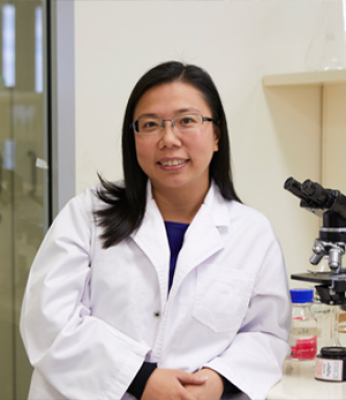
Professor Xiaowei Wang
Professor Xiaowei Wang heads the Molecular Imaging and NanoTherapeutics Lab and co-directs the Centre for Cardiometabolic mRNA Therapy at the Baker Heart and Diabetes Institute. Her research integrates advanced imaging with engineered nanoparticles and molecular targeting strategies to detect disease, deliver therapeutics to specific cardiovascular tissues, control when and where treatments are released, and monitor treatment response. She leads the development of lipid nanoparticles, recombinant targeting technologies, and mRNA and self-amplifying mRNA therapies designed to improve the precision, safety, and effectiveness of cardiovascular treatment.
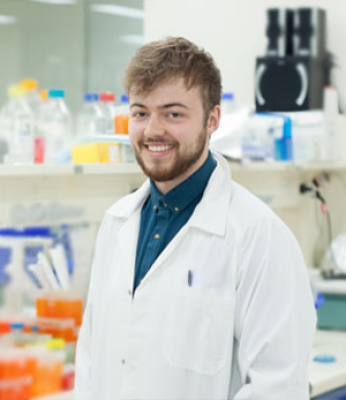
Dr Jonathan Noonan
Dr Jonathan Noonan leads the Cardiovascular Immunology theme within the Atherothrombosis and Vascular Biology Laboratory and the Centre for Cardiometabolic mRNA Therapy at the Baker Heart and Diabetes Institute. His research examines how immune cells drive harmful inflammation in cardiovascular disease, with a particular focus on identifying the cellular and molecular mechanisms that contribute to poor patient outcomes. Guided by these discoveries, Dr Noonan aims to develop new therapeutic approaches to improve recovery and prevent long-term complications. Within this program, he leads the immunological discovery work that defines the cellular and molecular targets underpinning the development of our new treatments.
Our partners

Baker Heart and Diabetes Institute
The Royal Melbourne Hospital