Our Reseachers
Professor Grant McArthur
Lorenzo Galli Chair in Melanoma and Skin Cancers, 2014
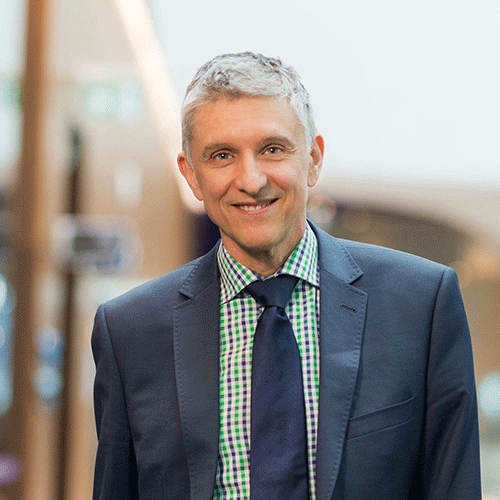
Professor Grant McArthur is a Fellow of the Royal Australasian College of Physicians and holds a Ph.D. in Medical Biology. He is the Executive Director of the Victorian Comprehensive Cancer Centre (VCCC) and is a Senior Principal Research Fellow (NHMRC). He is also Head of the Molecular Oncology Laboratory and of the Cancer Therapeutics Program, Cancer Research, and a Senior Consultant Medical Oncologist, Cancer Medicine at the Peter MacCallum Cancer Centre.
In 2014, Professor McArthur was named the inaugural Lorenzo Galli Chair in Melanoma and Skin Cancers at the University of Melbourne. His research areas include discovery of novel drug targets in cancer, targeting oncogenes, immunological effect of targeted therapies, clinical trials of targeted therapeutics, personalised medicine, melanoma, cell cycle control, metabolism and protein synthesis in cancer.
Professor McArthur was the inaugural winner of the Translational Research Award of the Foundation Nelia et Amadeo Barletta and has held the Sir Edward Dunlop Clinical Cancer Research Fellowship of the Cancer Council of Victoria. He was the recipient of the inaugural Martin Lackmann medal for translational research, received the Medical Oncology Group of Australia’s Novartis Oncology Cancer Achievement Award and just recently, was the recipient of the prestigious Tom Reeve Award from Clinical Oncology Society of Australia (COSA) for 2018. He is a national and international study co-chair of a number of clinical trials of targeted therapies.
Professor David Amor
Lorenzo and Pamela Galli Chair in Developmental Medicine, 2016

Professor David Amor is a consultant clinical geneticist and clinician scientist with a research focus on human genetics. He completed RACP training in paediatrics and clinical genetics in 2000 before undertaking PhD studies in chromosome biology completed in 2004. Since 2005 he has worked as a consultant clinical geneticist at the Victorian Clinical Genetics Service (VCGS) and as a Research Group Leader at Murdoch Children’s Research Institute. From 2009 to 2016 he was Director of Victorian Clinical Genetics Services, the main provider of clinical and laboratory genetic services across Victoria, Tasmania and the Northern Territory.
In 2016, Professor Amor was named the inaugural Lorenzo and Pamela Galli Chair in Developmental Medicine in the Department of Paediatrics at the University of Melbourne. Professor Amor works in partnership with the APEX Australia Chair of Developmental Medicine to provide a focus for research into causation of developmental problems within children across the University, the Royal Children's Hospital and the Murdoch Children’s Research Institute.
Professor Amor has published more than 175 papers on a range of human genetic and medical genetic subjects. He is a co-author of the 5th edition of the reference text Chromosome Abnormalities and Genetic Counselling (Gardner RJM and Amor DJ, 2017) published by Oxford University Press. Over the last ten years he has been a Chief Investigator on more than $20 million worth of research grants, and currently holds three Project Grants and two Centre for Research Excellence Grants from NHMRC.
Professor Doug Hilton
Lorenzo and Pamela Galli Chair in Medical Biology, 2017
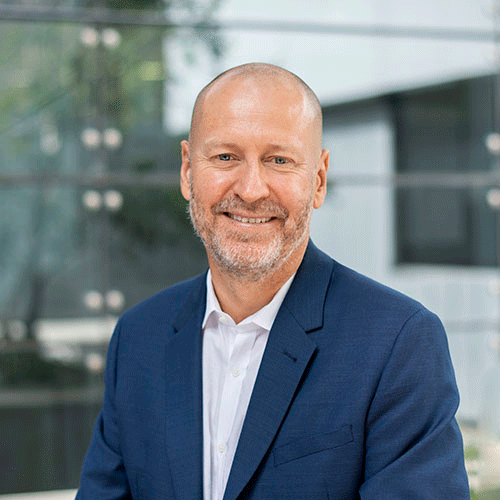
Professor Doug Hilton is the Director of the Walter and Eliza Hall Institute, Head of the Department of Medical Biology at the University of Melbourne, and a member of the Australian Medical Research Advisory Board (AMRAB).
In 2017, Professor Hilton was named the inaugural Lorenzo and Pamela Galli Chair in Medical Biology at WEHI and the University of Melbourne.
He is best known for his discoveries in the area of cytokine signalling, his advocacy for health and medical research, and for gender equity in science. As head of the Molecular Medicine division at WEHI, Professor Hilton’s lab aims to understand which of the 30,000 genes are important in the production and function of blood cells, and how this information can be used to better prevent, diagnose and treat blood cell diseases such as leukaemia, arthritis and asthma.
Professor Hilton has been awarded numerous prizes for his research into how blood cells communicate and has led major collaborations with industry to translate his discoveries from the bench to the bedside. He is an inventor of more than 20 patent families, most of which have been licensed, and is a co-founder of the biotechnology company MuriGen.
Associate Professor Adrienne Harvey
Galli Senior Research Fellow
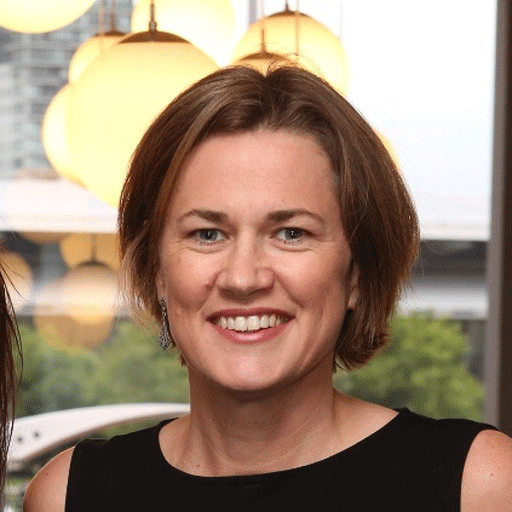
Associate Professor Adrienne Harvey is a Senior Research Fellow at the Murdoch Children’s Research Institute (MCRI) and a Paediatric Physiotherapist with over 25 years of clinical research and education experience. She spent most of her previous clinical and research working life within the physiotherapy department and gait laboratory of the Royal Children's Hospital.
She completed a Masters of Physiotherapy by Coursework (Paediatrics) in 1998 and a PhD in 2008 through the University of Melbourne. Her PhD thesis examined functional mobility in children with cerebral palsy.
In 2008, Professor Harvey secured a two-year post-doctoral fellowship at CanChild Centre for Childhood Disability Research, McMaster University, Canada. She currently works in Neurodisability and Rehabilitation on a range of research activities at the MCRI and is a lecturer in paediatrics at Monash University.
She has lectured nationally and internationally and is one of the key developers for an online paediatric physiotherapy education package currently running through Monash University.
Dr Timothy Semple
Galli Research Fellow
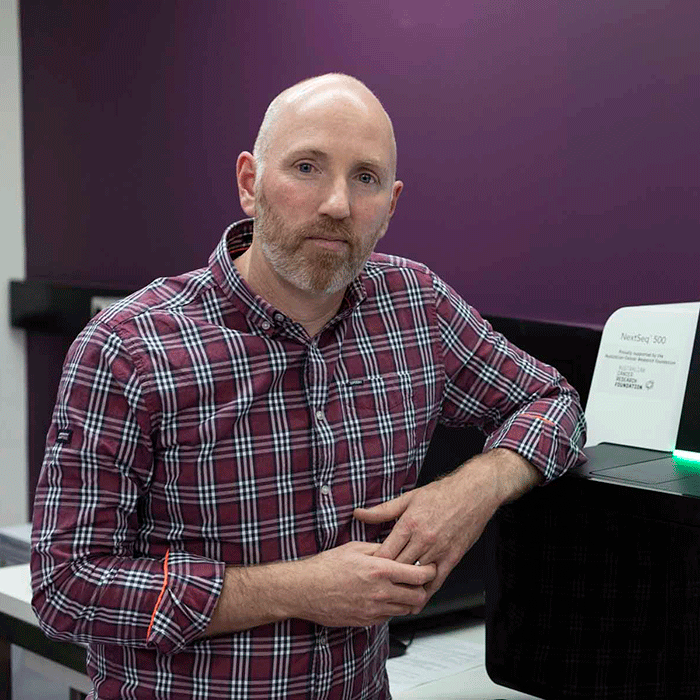
Tim Semple is an experienced molecular biologist who specializes in genomics and single cell technologies. He has expert knowledge of and a high level of experience working with DNA and RNA sequencing methodologies. As part of the Peter MacCallum Cancer Centre’s Molecular Genomics team Tim has developed methods, contributed research projects and provided support to research staff and students.
Tim’s passion for method development and working with new and emerging technologies has seen him partner with the University of Melbourne’s Single Cell Innovation Lab to facilitate and promote the uptake of single cell sequencing by researchers within the VCCC and broader precinct.
Dr Daisy Shepherd
Galli Research Fellow
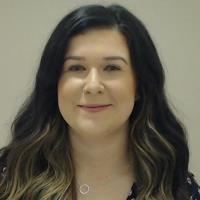
Dr Daisy Shepherd is a post-doctoral biostatistician at the Murdoch Children's Research Institute. She completed her PhD at the University of Auckland in 2019, researching and developing goodness-of-fit methods for phylogenetic models.
At present, Daisy’s research focuses on modern approaches to causal inference, with a emphasis on the development and implementation of these methods in the context of EMR data and observational studies. Daisy also provides statistical support for the Neurodisability and Rehabilitation Group, researching the aetiology and management of neurodevelopment disabilities.
Dr Stefano Mangiola
Galli Research Fellow
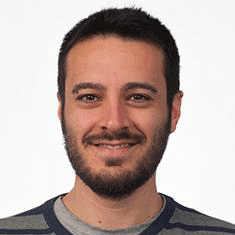
Dr Mangiola is currently a Postdoctoral researcher in the laboratory of Tony Papenfuss. He has extensive research experience in computational biology, statistics and cancer biology, and a good knowledge of cell biology.
His research is mainly focused on investigating the cellular and molecular interactions between cancer and benign cells in the tumor microenvironment. The active clinical areas of research are prostate, breast cancer and melanoma. Investigations have been carried out by Dr. Mangiola both by experimental procedures, data analysis (e.g., bulk and single-cell RNA sequencing), and inference methods from public data.