Simulation testing of a clinical decision support tool for early pancreatic cancer detection in general practice
Key partners
- University of Melbourne, Department of General Practice
- HaBIC Team, University of Melbourne
- Cancer Australia
- University of Queensland
- QIMR Berghofer Medical Research Institute
Collaborators
Dr Javiera Martinez-Gutierrez, Department of General Practice, University of Melbourne
Opportunity
Pancreatic cancer is the third most common cause of cancer death in Australia, yet it is frequently diagnosed late due to the low prevalence of the disease, the nonspecific nature of early symptoms, and the volume of conditions managed by GPs. Two symptoms – unintended weight loss and new-onset diabetes – are associated with elevated pancreatic cancer risk, but these associations are not commonly recognised by GPs, in part because diabetes occurs commonly and pancreatic cancer is rare.
Clinical decision support systems (CDSSs) embedded in GP electronic health records offer a way to prompt timely investigation, but barriers including mistrust of recommendations, lack of GP time, and poor integration into clinical workflow have limited their uptake. Testing these tools before clinical deployment is critical, and simulation offers a safe and cost-effective alternative to piloting them in real-world settings.
Intervention
The simulation lab provided a controlled environment to evaluate a CDSS designed to prompt GPs to consider investigations for potential pancreatic cancer in patients presenting with unintended weight loss or new-onset diabetes. The CDSS was built using Future Health Today (FHT) software, embedded in the general practice electronic health record, and delivered point-of-care recommendations alongside links to clinical guidance developed by an expert working group convened by the University of Queensland, University of Melbourne, and Cancer Australia.
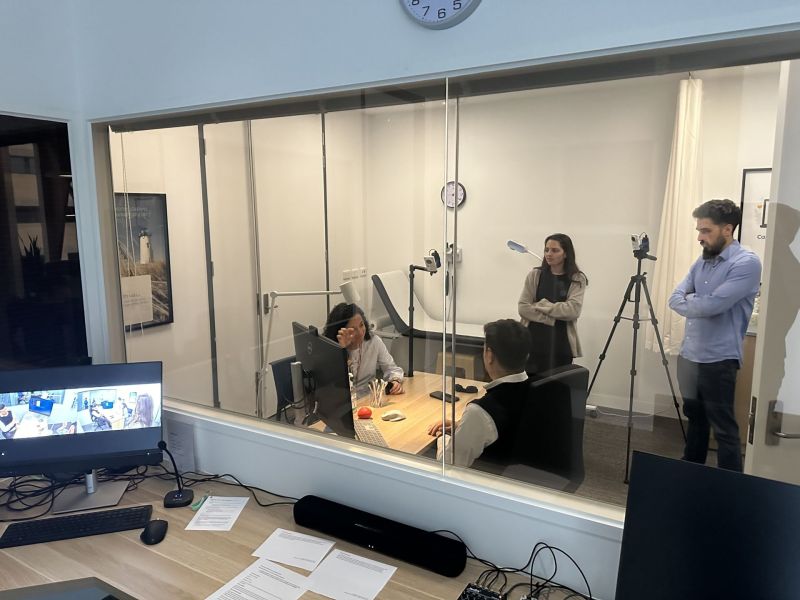
Eleven GPs each conducted two simulated consultations with professional patient actors across four hypothetical clinical scenarios – two involving unintended weight loss and two involving new-onset diabetes, with one female and one male patient for each condition. Sessions were observed through a one-way mirror and audio and video recorded.
Following the simulations, each GP participated in a semistructured interview assessing the acceptability, feasibility, and workflow impact of the CDSS, analysed using two established frameworks: the Theoretical Framework of Acceptability and the Sociotechnical Model for Evaluation of Digital Interventions.
Impact of simulation
GPs found the CDSS easy to use, unobstructive, and useful as a safety net and reminder in busy general practice. The gentle language of the recommendations – using terms such as "consider" – was valued for preserving clinical discretion. Recommendations based on unintended weight loss were more readily accepted than those for new-onset diabetes, where GPs expressed greater concern about the potential for overtesting, patient anxiety, and the medicolegal implications of not acting on recommendations.
The simulation identified several important barriers that would need to be addressed before real-world implementation: GPs called for statistical evidence on the incidence of pancreatic cancer in patients with these presentations, clearer guidance on when to escalate to imaging, and information on cost-effectiveness. These findings have directly informed refinements to the CDSS and the development of a new set of guidelines submitted to Cancer Australia for distribution, as part of the National Pancreatic Cancer Roadmap.