University of Melbourne convenes India-Australia symposium on the future of medical education
The University of Melbourne today convened an Australia-India symposium in New Delhi, bringing together leaders in medical education, healthcare and policy to examine the evolving landscape of medical education in India.
The Understanding the Evolving Landscape of Medical Education in India: Vision 2035 symposium focused on how potential reform in medical education can support the development of a resilient, equitable and future ready healthcare system. It was held at the University’s base in India, the Melbourne Global Centre - Delhi.
The forum brought together senior representatives from universities, healthcare institutions, regulatory bodies and policymaking organisations from India and Australia to explore global benchmarks alongside local models for a robust discussion on workforce readiness, quality and regulatory alignment.
The keynote address was delivered by Chairman of the National Medical Commission (NMC), Dr. Abhijat Chandrakant Sheth, who outlined the NMC's vision for Indian medical education.
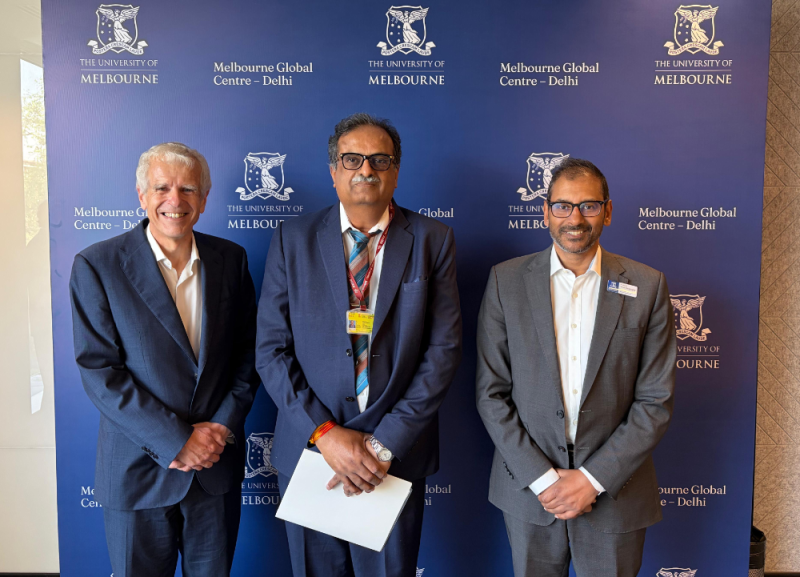 L-R: Professor Geoff McColl, Honorary (Professorial Fellow) Department of Medical Education, Dr Abhijat C. Sheth, Chairman National Medical Commission India and Professor Sarath Ranganathan, Head of Melbourne Medical School.
Head of the Melbourne Medical School at the University of Melbourne, Professor Sarath Ranganathan, said the symposium reflected the importance of collaboration and shared learning in shaping effective reform.
"How doctors from India are educated today will have a lasting impact on the strength and equity of health systems in the future," Professor Ranganathan said.
"This symposium provides an opportunity to listen and learn alongside our Indian colleagues, and to consider how global experience can be adapted in ways that respond to local context and need."
"Education reform and regulatory reform need to move forward together. Global standards are important, but they are most effective when they are shaped by local culture, population needs and the realities of health system."
Discussion during the symposium highlighted the importance of aligning education reform with regulatory and policy frameworks, and the role of universities in convening dialogue across sectors.
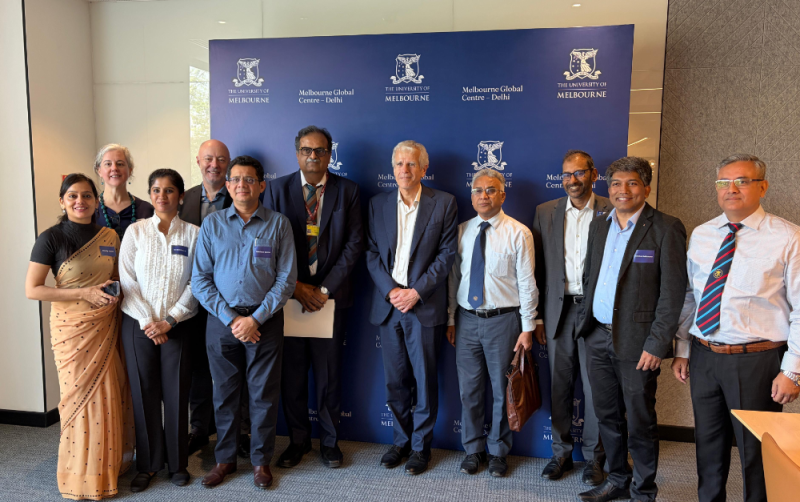
The symposium builds on the University of Melbourne's long-standing engagement with India and forms part of its broader strategic approach to strengthening partnerships across education, research and health system development.