Leading mental health researcher appointed as Academy of Social Sciences Fellow
Professor Nicola Reavley, Principal Research Fellow and Deputy Director of the Centre for Mental Health and Community Wellbeing, has been appointed as a fellow to the Academy of Social Sciences in Australia, for her pioneering research in mental health, alongside two other University of Melbourne academics.
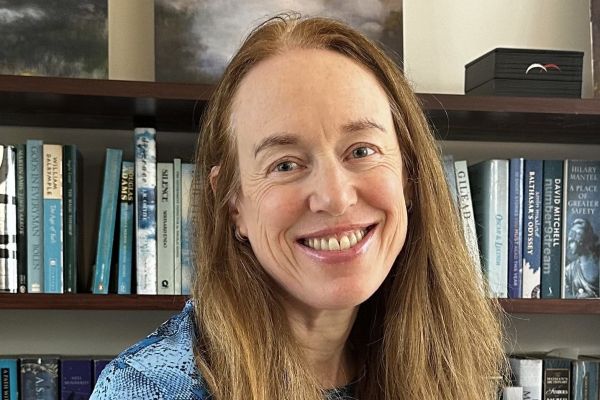
Professor Reavley leads national and international research programs in population mental health, and focusses on prevention, early intervention, and social inclusion. Her research has changed the way individuals and workplaces understand and support people living with mental health challenges.
Each year, the Academy honours individuals who have demonstrated excellence in social science research, innovative thinking and a commitment to advancing knowledge that shapes policy and societal wellbeing.
Professor Reavley said she feels excited about possible collaborations that can grow out of being part of the Academy, particularly in the case of multidisciplinary research.
“I feel honoured to be in the company of the other fellows! I also feel very appreciative of the person who nominated me, my mentor Professor Tony Jorm, and the others who supported my nomination, who all do fantastic work and who I respect very much,” she said.
Professor Reavley’s research has paved the way for evidence-based interventions that reduce discrimination and improve population mental health literacy and support for people with mental illness. One example includes Mental Health First Aid (MHFA), a training program established in 2000, that aims to improve support for people developing a mental health problem or experiencing a crisis, such as risk of suicide. She led a world-first trial of online and blended MHFA in public sector workplaces, which led to improvements in mental health literacy and supportive behaviours, including up to two years after the training. This work has made a major contribution to the global dissemination of MHFA, which has now been delivered to over seven million people worldwide. Professor Reavley now leads a program of work to culturally adapt the program for middle-income countries, including China, Argentina and Chile.