Calls for earlier testing for Chronic Obstructive Pulmonary Disease
An early warning sign for Chronic Obstructive Pulmonary Disease (COPD) in middle aged adults has been identified, sparking calls for increased testing for the incurable condition that causes breathing difficulties and phlegm-filled lungs.
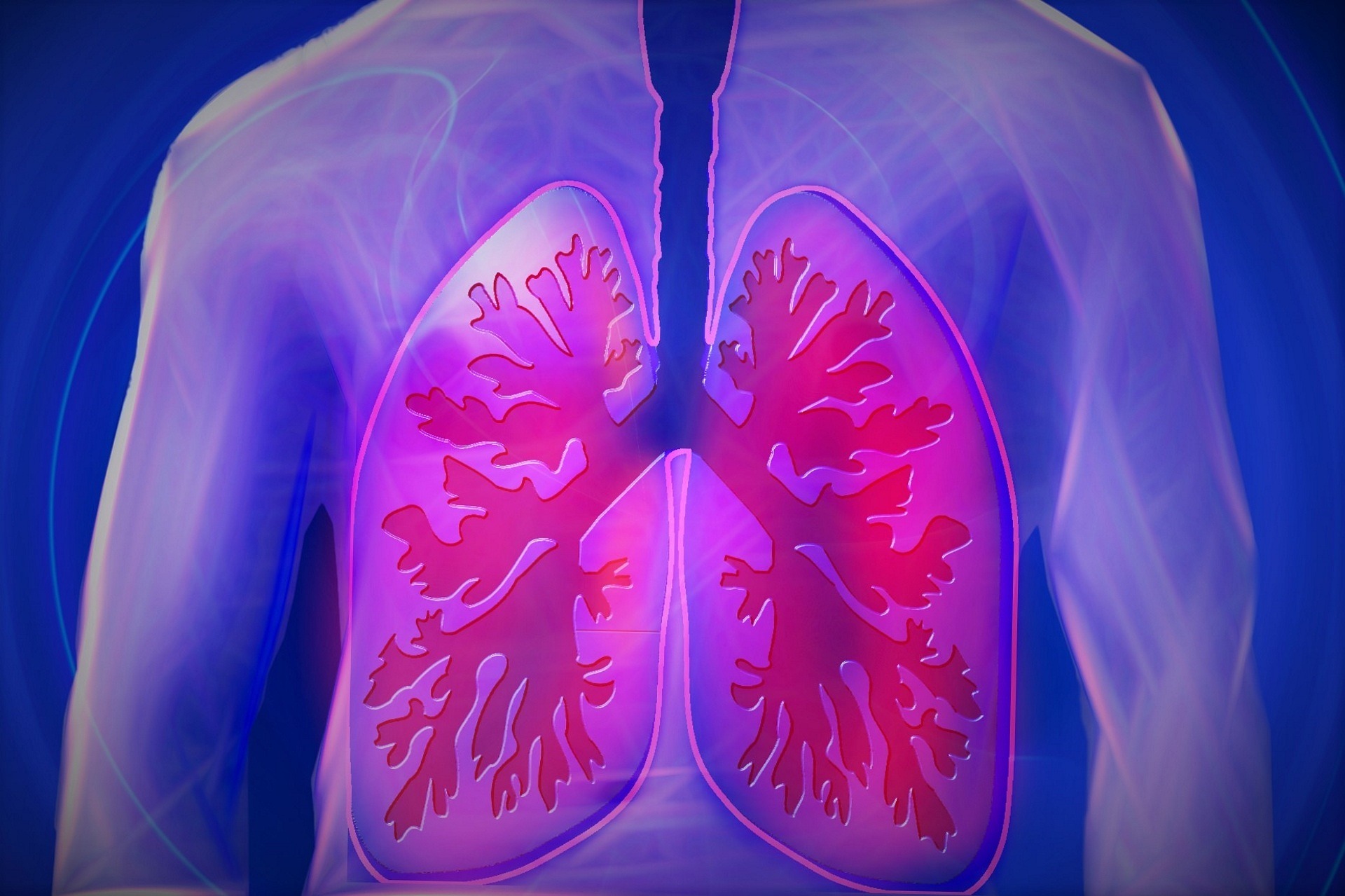
COPD is the leading cause of lung-related hospital admissions, and many sufferers only receive a diagnosis in later life when the disease is advanced and has already caused severe lung damage.
It costs economies billions of dollars annually, even though the condition is largely preventable.
University of Melbourne and U.S. researchers from the AUSCULTATE collaboration analysed long-term lung health datasets separately and found similar respiratory symptom profiles in participants aged in their fifties which were more common among those who had more severe COPD-related lung impairment.
The findings, published in The Lancet Respiratory Medicine today, revealed wheezing was a dominant respiratory symptom among this age group, especially for those who had worsening lung function over time.
The lung health data was drawn from two long-term studies: the Tasmanian Longitudinal Health Study (TAHS), which has tracked Australians since 1968, and the Coronary Artery Risk Development in Young Adults (CARDIA), which has followed Americans since 1985. The studies involve repeated assessments of participants over several decades, providing valuable data on lung health across different life stages.
Research co-author from the University of Melbourne, Dr Jennifer Perret, said: “While coughing, chesty colds and bringing up phlegm are associated with COPD and rapid lung function loss, our findings indicate wheezing is one of the first and most important signs for middle aged adults and this includes those without a history of asthma. We weren’t surprised to find increased wheezing associated with more rapidly declining lung function in its early stages as chronic obstructive airways disease starts in the smaller airways. However, we were surprised to find shortness of breath was not a dominant symptom profile for this age group, although this could be due to participants reducing their activity levels or putting their breathlessness down to being unfit.”
It is anticipated this new research will encourage primary care clinicians to be more proactive in arranging diagnostic breathing tests for people in middle age to diagnose COPD, which are currently underutilised. It is also hoped that policy makers will increase the incentive for primary care clinicians to perform spirometry as a point of care test, and if not feasible, encourage them to refer on to specialist services.
“Four percent of all the participants we analysed were symptomatic and met the spirometry criteria for COPD, yet they were mostly aged in their fifties when few are diagnosed. An early and accurate diagnosis is crucial for implementing best practice care, so we encourage doctors to consider arranging breathing tests when a middleaged patient presents with wheezing. Spirometry is useful to monitor people as an impaired lung function trajectory can foreshadow COPD. Our study also encourages middle-aged adults who wheeze to seek medical attention before self-prescribing with over-the-counter inhalers,” Dr Perret said.
Dr Perret and her team have also designed an online tool to help adults aged in their forties assess their risk of COPD in their fifties, with or without continued smoking. Putting numbers around their risk could be a critical motivating factor for people to quit smoking which will most likely have downstream benefits on their health.
The team are consulting primary care clinicians on trialling this PRECURSOR calculator in Australian clinical practices and it is not currently available for the public to use. Media Release As people with undiagnosed COPD are at a much greater risk of breathing attacks and pneumonia, the digital risk prediction model is designed to help younger sufferers access diagnostic testing and treatment before the disease progresses.
PRECURSOR estimates a middle-aged person’s chance of COPD after considering their history of asthma and personal smoking as well as their job-type, sex and existing respiratory symptoms.
“As an example, a 43-year-old machine operator who smoked 20 cigarettes a day since early adolescence and recently started wheezing has a 28% predicted chance of having clinical COPD in their fifties if they continue smoking,” Dr Perret said.
“Eligible patients would fill out a questionnaire using the web-based application, and based on their answers, a report would be generated and feedback given to them by their primary care provider. If the patient received a concerning score, they would be flagged as high-risk for COPD and could undergo spirometry testing at some point to confirm or refute a diagnosis. This approach to proactively find people and focus on preventing further deterioration has the potential to drive down the number of patients being diagnosed with advanced COPD when aged in their sixties and seventies, and in turn, alleviate pressure on the health system,” Dr Perret said.