Generous fellowships support ground-breaking medical research in cancer resistance and immune response to heat
Two rising stars of medical research have been named as inaugural Galli Senior Research Fellows as part of a highly competitive process, enabling their work to uncover how heat and environmental stress re-wire our immune cells, and to understand how cancers develop drug resistance.
Dr Charis Teh of WEHI and Dr Mohamed Fareh of the Peter MacCallum Cancer Centre, commence their fellowships on 1 June 2026.
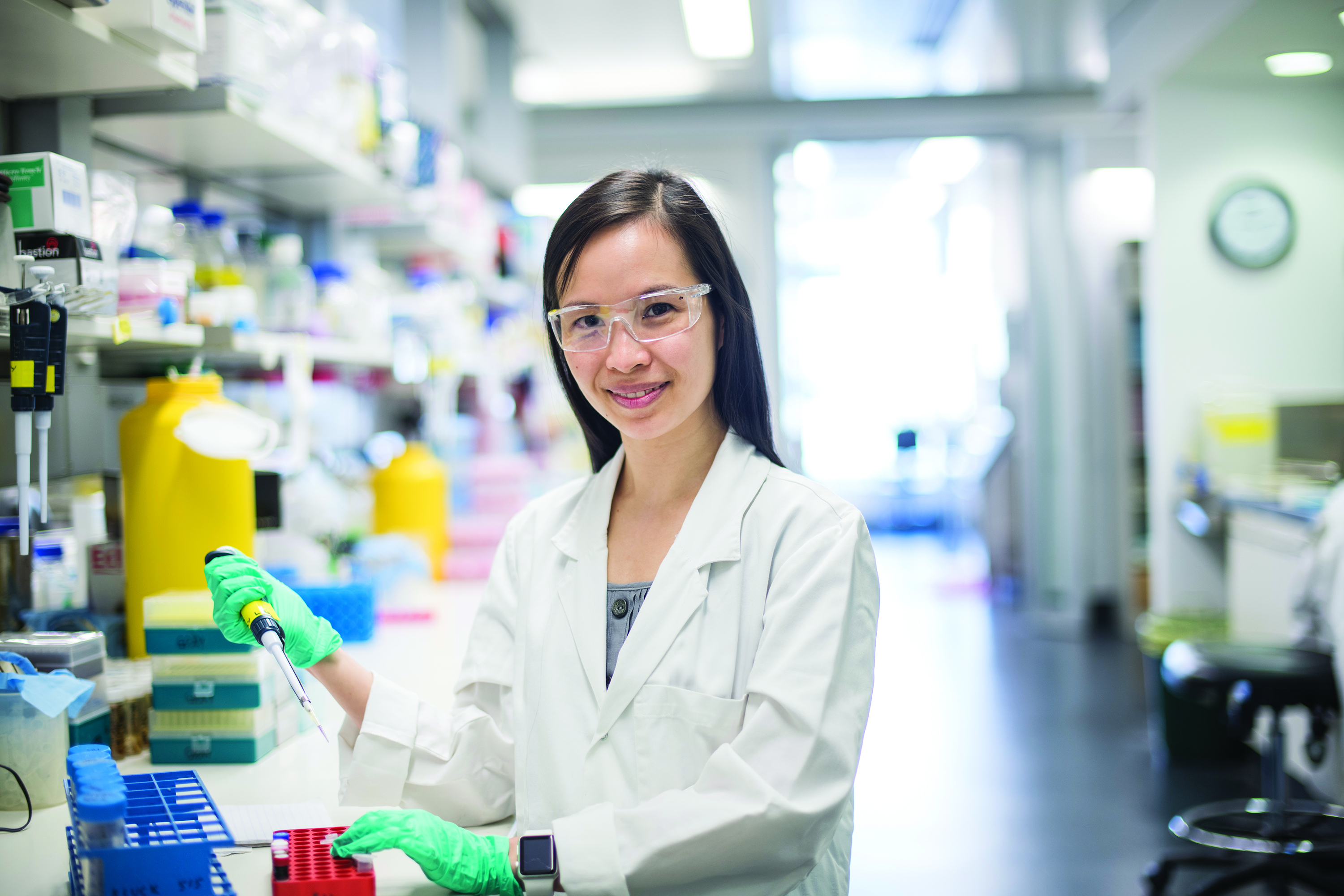
How heat stress rewires our immune system
Climate change is one of the greatest challenges of the 21st Century as rising temperatures and declining air quality not only reshape our planet but also affect human health.
Dr Charis Teh’s project will investigate how heat and environmental stress re-wire our immune cells, disrupting how they function and weaken the body’s ability to fight infections, and can cause autoimmune disease and cancer. By revealing these effects, Dr Teh’s research aims to guide new ways to protect human health in a rapidly warming, more polluted world.
"I’m genuinely excited and very grateful for the chance to take on a big, tricky question in immunology,” Dr Teh said. “We hear a lot about climate change shaping where diseases spread or affect agriculture, but far less about what it’s doing inside our own bodies, especially to the immune system that keeps us healthy.”
Dr Teh said she was honoured to receive the Senior Galli Research Fellowship. "This Fellowship is so special. It backs a bold, slightly unconventional idea that could have real impact. I am particularly thankful to the Galli Fellowship Program for not only supporting the vision but also providing the cutting-edge tools to explore it properly. It’s a meaningful investment, and I’m hopeful it will lead to insights that help us better protect human health in a rapidly changing world,” Dr Teh said.
Professor Ken Smith, Galli Chair in Medical Biology and WEHI Director, praised the foresight of the new Fellowship to support researchers, who demonstrate great potential for impact and leadership.
"Dr Teh’s research exemplifies the Lorenzo and Pamela Galli Medical Research Trust’s mission to advance the next generation of research excellence, delivering critical insights into immune development that will underpin future breakthroughs in disease prevention and care.
With her combination of innovation, rigour and leadership, Dr Teh is an outstanding example of the researchers the Galli Fellowships aim to empower,” Professor Smith said.
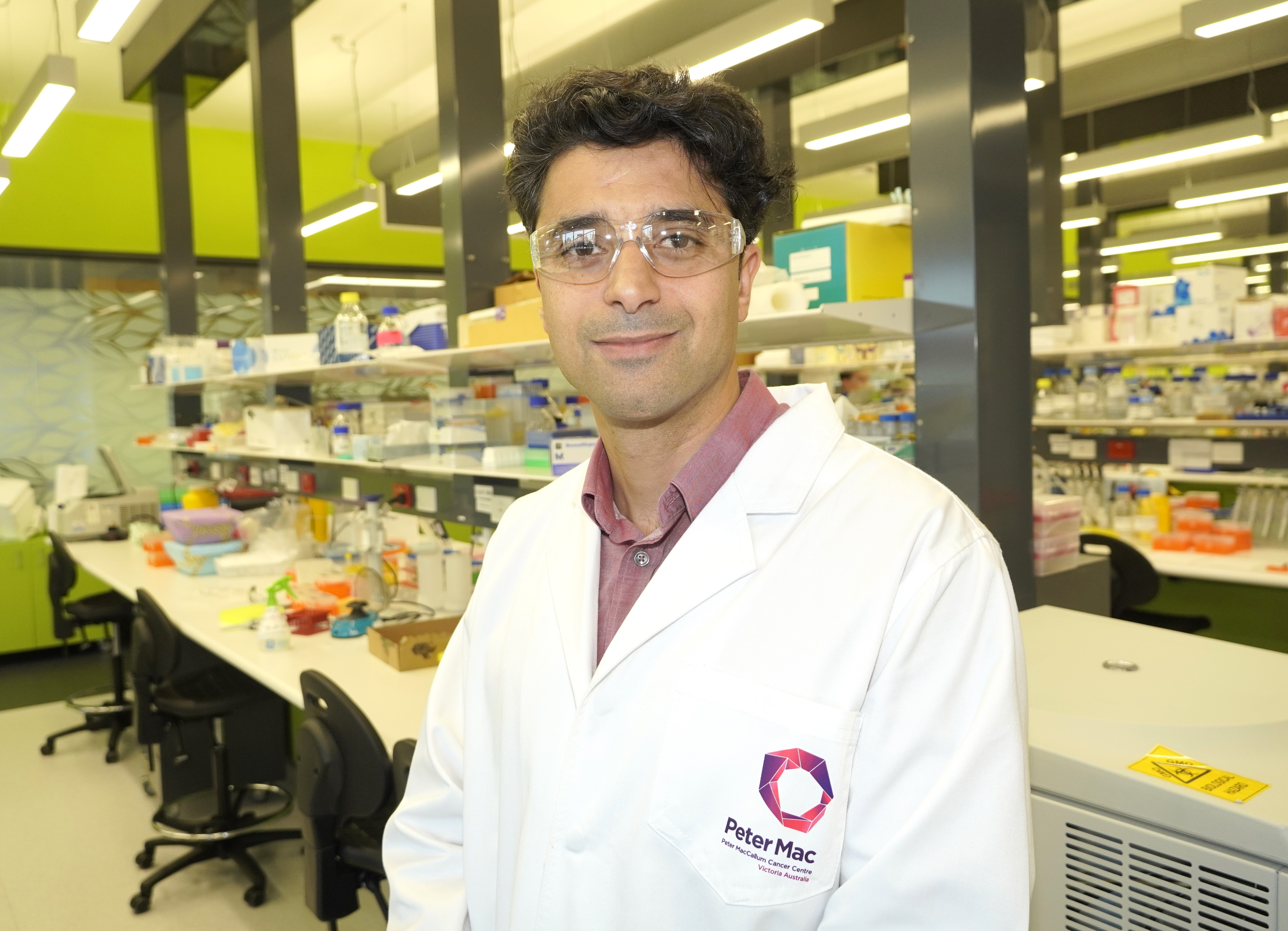
Catching and treating cancer drug resistance early
Cancer patient care and survival have been transformed in the past decade by targeted and personalised treatments that attack specific molecular vulnerabilities in cancer cells. Despite these advances, many patients relapse as cancer cells mutate to escape treatment. Currently, these mutations are usually identified in patients after relapse, when the disease has progressed and treatment options are more limited.
Dr Mohamed Fareh will lead research focused on understanding and predicting how cancer cells evolve resistance to therapies before resistant cancer develops in patients.
Using advanced laboratory models and cutting-edge technologies, including gene editing, high-throughput genetic screening, structural computational modelling, and artificial intelligence, Dr Fareh said the project will systematically map and characterise resistance mutations before they emerge in patients.
“By understanding exactly how resistance mutations disrupt drug activity, we can establish predictive principles that support two major advances: earlier detection of emerging resistance through molecular diagnostics, and the design of next-generation therapies that remain effective against predicted resistance mutations,” Dr Fareh said.
Because this platform can be adapted across different cancers and targeted therapies, it has the potential to broadly improve how drug resistance is predicted, monitored, and ultimately prevented in cancer care.
“I’m delighted and deeply honoured to be among the first recipients of a Senior Galli Research Fellowship. This support will significantly strengthen the research capabilities of my team as we develop innovative genome engineering technologies to better understand how cancers develop drug resistance and to guide the development of more effective treatments. I sincerely thank Pamela Galli AO, for her generosity, vision, and commitment to supporting cancer research in Australia and acknowledge her late husband, Lorenzo. This recognition reflects the collective efforts of an outstanding team, mentors, and collaborators whose dedication, creativity, and support continue to inspire and motivate me every day,” said Dr Fareh.
Professor Grant McArthur AO, Lorenzo Galli Chair for Melanoma and Skin Cancers, highlighted how the Galli Fellowships promise to accelerate the impact of cancer and immune system research by supporting outstanding researchers and equipping them with the tools to solve pressing health challenges:
“Pioneering work led by Dr Fareh and Dr Teh, at Peter Mac and WEHI respectively, is improving understanding of the immunology and molecular drivers of cancer and uses cutting-edge technologies to develop new treatment approaches. Our Fellowship recipients are recognised for this outstanding research, and as emerging leaders in cancer research,” Professor McArthur said.
The fellowships will provide comprehensive support to empower the next generation of research leaders. Learn more about Galli Senior Research Fellowships here.
The new Galli Senior Research Fellowship program builds on 10 years of philanthropic vision by Pamela Galli and represents a formalisation of the Lorenzo and Pamela Galli Medical Research Trust’s commitment to supporting early and mid-career researchers.
Professor Mike McGuckin, Acting Dean of the Faculty of Medicine, Dentistry and Health Sciences, congratulated Dr Charis Teh and Dr Mohamed Fareh on their appointments.
"These generous fellowships supported by Pamela Galli to honour the memory of Lorenzo Galli, demonstrate the power of the Faculty’s long held and esteemed partnerships with WEHI and the Peter MacCallum Cancer Centre to drive transformative research and impact by embedding cross-disciplinary research and collaboration within the Melbourne Biomedical Precinct," Professor McGuckin said.