Precision cancer care to support more targeted treatment
A new form of precision medicine that looks at a patient's unique DNA is allowing for a more targeted approach to cancer treatments.
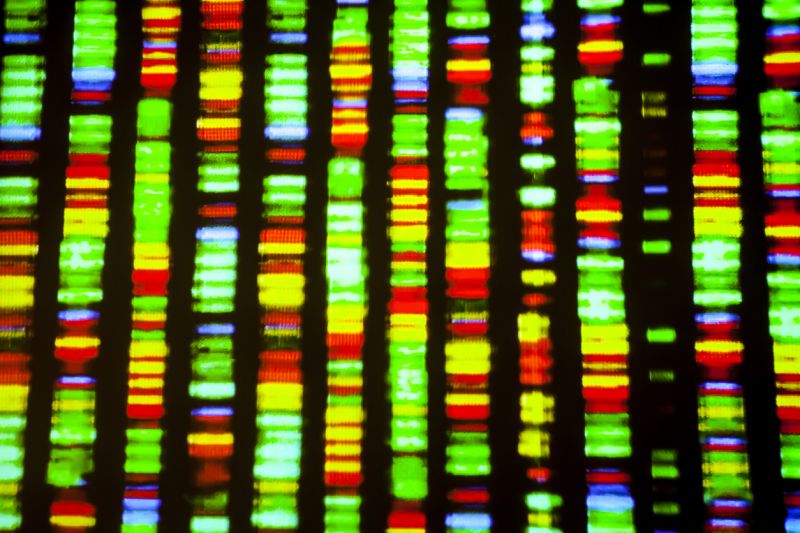
The information provided by genome sequencing can help inform specialised treatment plans for patients.
Professor Sean Grimmond, Bertelli Chair in Cancer Medicine, University of Melbourne Centre for Cancer Research, and his team’s research focuses on sequencing genomes in real time for patients with some of the rarest and most challenging types of cancer.
Advancements in machine learning and nanotechnology have enabled machines such as the Illumina NovaSeq 6000 to decode the genome of 48 cancer patients in less than 48 hours as opposed to two weeks for one patient when it was first undertaken in 2010.
The information provided by genome sequencing helps clinicians figure out the type of cancer, what caused it and where it originated in the body. Clinicians can then compare the information to drugs and treatments that exploit genetic vulnerabilities in tumour cells where these are available, and determine if that treatment will be effective.
The results of the genetic tests are analysed through a series of round-table discussions between a range of experts, who use the information to form specialised treatment plans and build a robust evidence base to help patients access clinical trials.
Professor Grimmond’s research has provided genomic sequencing to more than 1250 patients with rare and aggressive tumours through the Advanced Genomics Collaboration Clinical Genomics Platform.
Professor Grimmond and his research team will share what they’ve learned with other researchers around the world and collate information from prior patients to continue informing treatment for future cases.
The University of Melbourne has partnered with global biomedical company Illumina, to combine their next-generation sequencing technology with the research expertise and infrastructure needed to move genomics beyond the lab, into routine clinical care. University of Melbourne has also signed a memorandum of understanding (MOU) with the Peter MacCallum Cancer Centre with the aim of working towards establishing a new centre to transform how genomics and precision oncology is delivered in Australia.