Indigenous Global Health Visitor: Prof Martina Kamaka
The Faculty of Medicine, Dentistry and Health Sciences (MDHS) recently hosted Professor Martina Kamaka as the 2025 Global Indigenous Health Fellow. This programme, rooted in principles of knowledge exchange and cross-cultural collaboration, continues to strengthen international ties in Indigenous health research and education.
Professor Kamaka, a Native Hawai'ian physician and educator from the University of Hawai'i John A. Burns School of Medicine, brought a wealth of experience in integrating Indigenous knowledge systems with Western medical education. Her work, focused on cultural safety and Indigenous health equity, resonates strongly with MDHS's commitment to improving health outcomes for Indigenous communities.
During her visit, Prof Kamaka delivered the MDHS Dean's Global Indigenous Health Lecture, titled "Navigating Towards Health Equity: Aloha, Belonging and Indigenous Values". This presentation explored the critical intersection of culture and health, drawing parallels between Native Hawai'ian and First Nations Australian approaches to wellbeing. The lecture sparked meaningful discussions on incorporating Indigenous values into healthcare systems and medical education curricula.
A tour of the Medical Museum's "Art of Healing Exhibition" revealed intriguing similarities between medicinal plants used by First Nations Australians and Native Hawai'ians. This discovery underscored the potential for comparative studies in traditional medicine and highlighted the shared aspects of Indigenous healing practices across the Pacific.
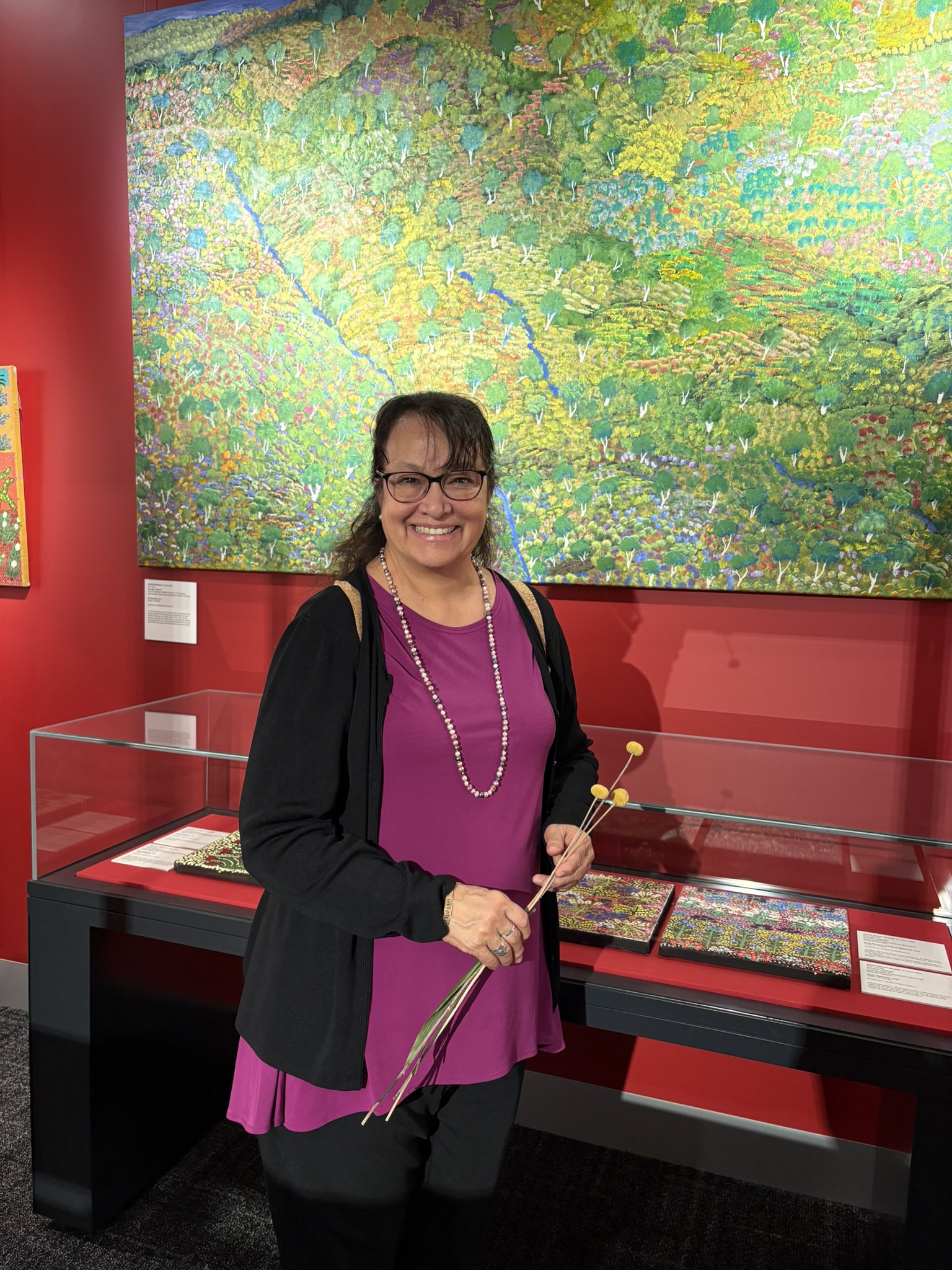
Professor Kamaka's visit to Shepparton proved to be a deeply enriching experience, offering valuable insights into local Indigenous initiatives. At the Ngar-wu Wanyarra Aboriginal and Torres Strait Islander Conference, she participated in a traditional welcoming ceremony, which resonated strongly with her Native Hawaiian background. The smoking ceremony, led by Uncle Tom, provided a profound moment of cultural connection, exemplifying the shared values of Indigenous peoples across the Pacific.
A highlight of the Shepparton visit was the tour of the Rumbalara Aboriginal Cooperative, where Professor Kamaka witnessed first-hand the comprehensive 'wrap-around' services provided to the Indigenous community. She was particularly impressed by the cooperative's holistic approach to healthcare, addressing social determinants of health through various services from medical and dental care to housing assistance. The innovative self-sustaining initiatives and the forward-thinking leadership at Rumbalara left a lasting impression on Professor Kamaka, who saw potential for knowledge exchange with Native Hawaiian communities. The visit concluded at the Munarra Centre for Regional Excellence, where she observed how Indigenous values and strengths were seamlessly integrated into modern facilities designed to uplift and connect Indigenous youth with their cultural heritage.
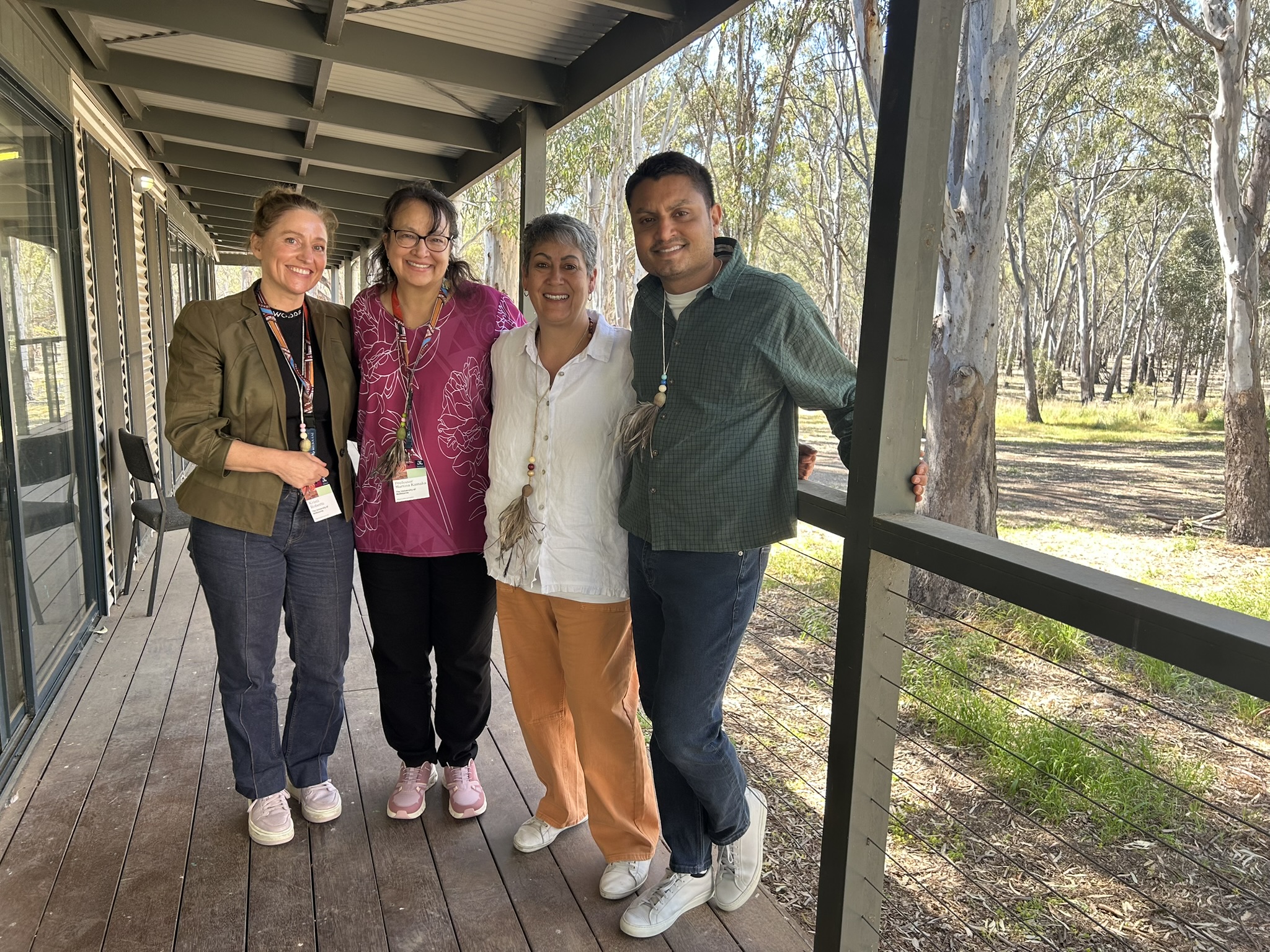
A significant portion of the fellowship was dedicated to interactions with the Melbourne University Medical School. Prof Kamaka participated in a pharmacology lecture by Dr Ngaree Blow and A/Prof Graham MacKay, engaged with students during a case supported learning tutorial session, and shared insights with MD1 and upper MD students at the Indigenous student hub. These interactions fostered cross-cultural learning and inspired future medical professionals to consider Indigenous perspectives in their practice.
The Global Indigenous Health Fellowship at MDHS continues to be a vital platform for advancing Indigenous health research, education, and practice. Prof Kamaka's visit has contributed significantly to the faculty's understanding of Indigenous health issues, reinforcing the importance of cultural safety and Indigenous knowledge in medical education and healthcare delivery.
This collaboration between MDHS and Prof Kamaka exemplifies the value of international partnerships in addressing global Indigenous health challenges. It underscores the need for continued dialogue and shared learning between Indigenous health experts worldwide, paving the way for more culturally informed and equitable health systems.
A recording of Professor Kamaka's MDHS Dean's Global Indigenous Health Lecture will be available soon. This will allow a broader audience to benefit from her insights on Indigenous health equity and cultural values in healthcare. The faculty encourages interested individuals to watch this informative presentation.