From Classroom to Clinic: Learning Together, Growing Together
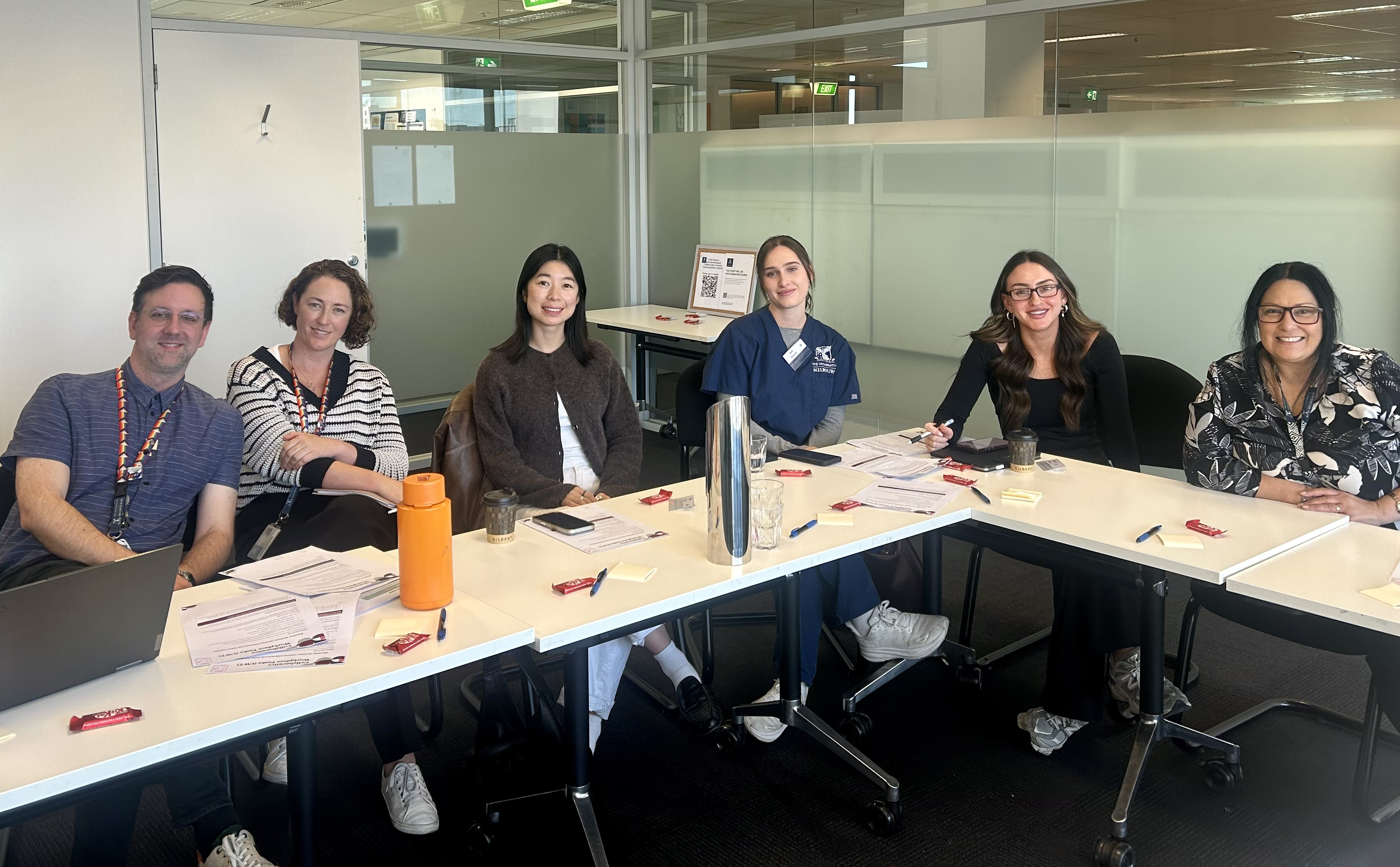
Students from Nursing, Medicine, Clinical Psychology and Social Work came together to strengthen their interprofessional communication and collaborative practice skills in mental health and AOD settings.
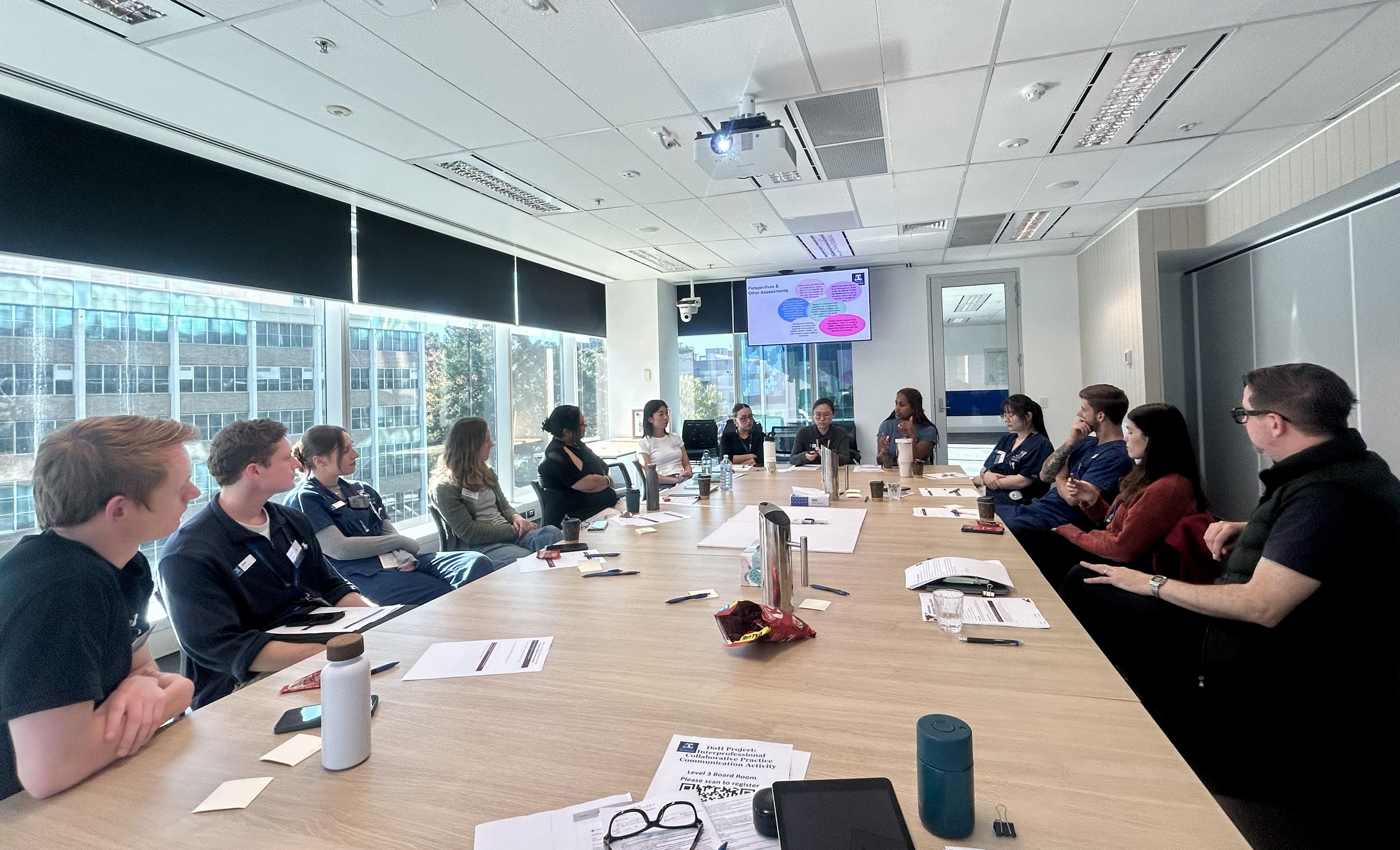
Over a fortnight, students from Nursing, Medicine, Clinical Psychology and Social Work came together to participate in a three-part workshop series focused on interprofessional (IP) collaborative communication.
The program was designed to help students develop the skills needed to communicate effectively across professional boundaries in mental health and alcohol and other drug (AOD) settings. Students first explored the foundations of interprofessional communication in a priming workshop before heading out on placement, where they had the opportunity to observe and apply these concepts in practice. Two weeks later, they returned to share experiences, reflect on their learning, and discuss how communication influences teamwork and person centered care in real clinical environments.
The reflections students brought back were rich and insightful. Many spoke about the value of learning how different professions approach documentation and communication, recognising that styles, priorities and expectations can vary significantly across disciplines and settings. These conversations helped students better understand the perspectives and contributions of their colleagues, while also highlighting the importance of adapting communication to different audiences and contexts.
One of the strongest themes to emerge was the power of language. Students discussed how mindful, respectful communication can strengthen patient narratives, reduce stigma, build trust and support person-centred approaches to care. These discussions reinforced the idea that effective communication is not simply about exchanging information but about fostering understanding and collaboration.
Students also reflected on how the experience had changed their own practice. One participant shared that the most valuable aspect was "having the opportunity to spend time discussing patient scenarios with students from other disciplines, widely beneficial for understanding different perspectives." Another reflected on a commitment to "clearly communicate and ask questions from different teams during ward rounds, and to prioritise communicating in person" in future clinical interactions.
Most importantly, students recognised that a shared commitment to person-centred care provides common ground across disciplines. While professional roles may differ, the collective goal of supporting patients/consumers, their families, carers and supporters and communities create a strong foundation for collaboration.
By the end of the series, students consistently reported feeling more prepared to work collaboratively in mental health and AOD settings. They left with a richer understanding of interprofessional communication and a genuine appreciation for the opportunity to learn with, from and about students from other disciplines. The fact that many participants expressed a desire for more time together, more professions represented and more opportunities for dialogue speaks to both the value of the experience and the potential for future growth.
The Collaborative Practice Centre extends heartfelt thanks to guest educators Peter Carew and Liz Currie, whose expertise in interprofessional communication and teamwork in mental health settings enriched every discussion. We also acknowledge the contributions of Julia Paxino and Kim Allison in supporting the program.
Most importantly, thank you to the students for their openness, generosity and curiosity throughout the series. Their willingness to engage deeply with one another's perspectives created a rich learning environment and demonstrated the potential of collaborative practice in action.
This initiative is proudly supported through the Department of Health Student Placement Support Program, which aims to increase the number of student placements and enhance placement experiences in mental health and AOD settings.